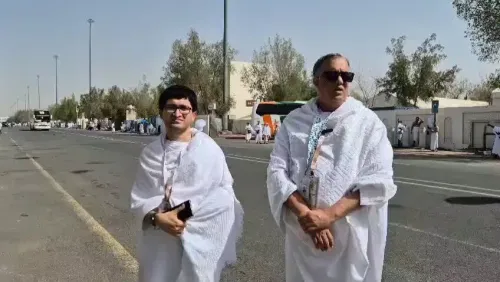
Kiren Rijiju chairs Hajj-2027 roadmap meet; 1.75 lakh pilgrims completed Hajj-2026
Synopsis
India's Hajj-2026 operation closed with a historic double — 1.75 lakh pilgrims facilitated and two Labbaytum Awards from Saudi Arabia, a first for the Indian Hajj Mission. With Rijiju now steering the Hajj-2027 roadmap, the question is whether this year's reforms — high-speed rail transfers, the Short Hajj Package, and digital grievance tools — become permanent fixtures or one-off pilots.
Key Takeaways
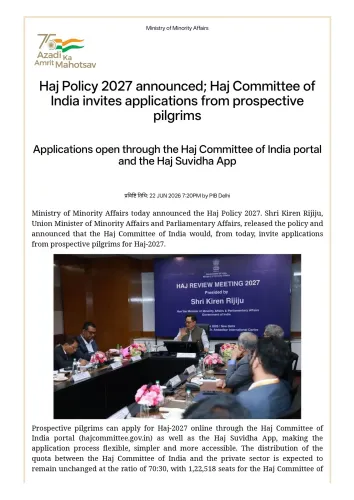
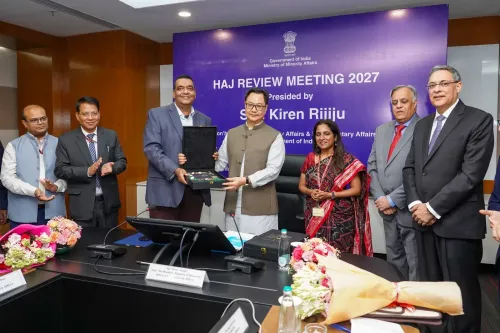
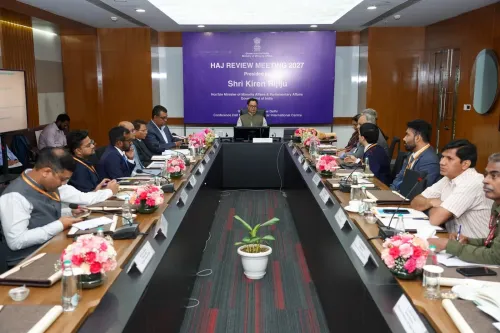
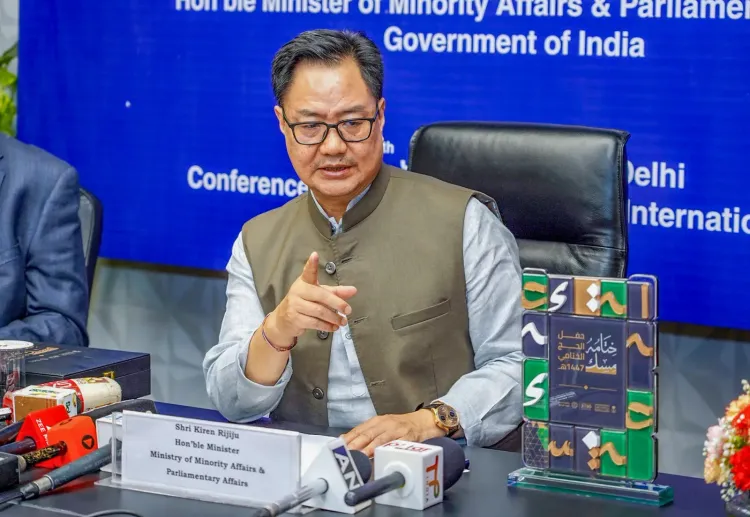
Minority Affairs Minister Kiren Rijiju chaired a Hajj-2027 roadmap meeting on 18 June 2026 at the Dr Ambedkar International Centre , New Delhi.
1.75 lakh Indian pilgrims performed Hajj-2026 , with the government crediting coordinated inter-ministerial efforts.
The Indian Hajj Mission received two Labbaytum Awards from the Saudi Ministry of Hajj and Umrah — a historic first for India — in the 'Best Hajj Coordination and Communication' category.
62,500 pilgrims travelled from Makkah to Madinah by high-speed railway ; around 10,500 pilgrims availed the new 20-day Short Hajj Package .
Technology reforms included integration with the Saudi Nusuk platform , online flight booking, and a digital grievance redressal system.
Minority Affairs Minister Kiren Rijiju on Thursday, 18 June 2026 chaired a high-level review meeting at the Dr Ambedkar International Centre (DAIC) in New Delhi to assess the performance of Hajj-2026 and chart the roadmap for Hajj-2027. A total of 1.75 lakh Indian pilgrims performed Hajj this year, with the Indian Hajj Mission receiving international recognition for its coordination efforts.
Key Developments at the Review Meeting
Rijiju expressed satisfaction over the smooth conduct of Hajj-2026, crediting the outcome to coordinated efforts across multiple ministries and agencies. The meeting was attended by Srivatsa Krishna, Secretary, Ministry of Minority Affairs; Sripriya Ranganathan, Secretary (CPV & OIA), Ministry of External Affairs; and senior officials from the Ministries of Civil Aviation, Health and Family Welfare, and Home Affairs, along with representatives of the Hajj Committee of India and BISAG-N.
India Wins Two Labbaytum Awards — A Historic First
In a significant milestone, the Indian Hajj Mission was conferred two Labbaytum Awards by the Saudi Ministry of Hajj and Umrah in the 'Best Hajj Coordination and Communication' category. The awards were presented at the Khitamahu Misk ceremony, which marks the formal conclusion of the Hajj season. According to an official statement, this is the first time India has received this recognition, underscoring the country's sustained commitment to pilgrim welfare and service excellence.
Pilgrim-Centric Reforms Introduced in Hajj-2026
Several new measures were rolled out this year to improve comfort and accessibility for Indian pilgrims. Sofa-cum-beds were provided in Mina to ease the most physically demanding days of the pilgrimage. Notably, 62,500 pilgrims travelled from Makkah to Madinah by high-speed railway, significantly reducing journey time. Hotel-style accommodation was introduced in Makkah, and a 20-day Short Hajj Package was made available, with approximately 10,500 pilgrims — largely working professionals — opting for it. All Indian pilgrims in Madinah were housed in the Markazia area, ensuring better accessibility.
Technology and Transparency at the Core
Technology-driven reforms played a central role in Hajj-2026, including integration with the Saudi Nusuk platform, online flight booking, and a strengthened digital grievance redressal mechanism. These measures collectively enhanced transparency, safety, and service delivery for Indian pilgrims. This comes amid a broader push by the Indian government to modernise Hajj administration through digital tools and inter-ministerial coordination.
What Comes Next
With the Hajj-2027 roadmap now under active deliberation, the focus will be on institutionalising the reforms introduced this year and building on the bilateral coordination with Saudi authorities. The ministry is expected to finalise operational guidelines and quota allocations in the months ahead.
Point of View
But institutionalising it demands more than a review meeting.
NationPress
26 Sept 2026
Frequently Asked Questions
What was discussed at Kiren Rijiju's Hajj-2027 roadmap meeting?
Minority Affairs Minister Kiren Rijiju chaired a review of Hajj-2026 and began deliberations on the roadmap for Hajj-2027 on 18 June 2026 in New Delhi. The meeting assessed pilgrim welfare measures, inter-ministerial coordination, and technology reforms, with officials from six ministries and the Hajj Committee of India in attendance.
How many Indian pilgrims performed Hajj in 2026?
A total of 1.75 lakh Indian pilgrims performed Hajj-2026, according to an official statement from the Ministry of Minority Affairs. The government described the pilgrimage as successfully conducted, citing coordinated efforts across multiple ministries and agencies.
What is the Labbaytum Award and why is India's win historic?
The Labbaytum Award is conferred by the Saudi Ministry of Hajj and Umrah to recognise excellence in Hajj coordination and communication. India's Indian Hajj Mission received two such awards in 2026 — the first time India has been recognised in this category — presented at the Khitamahu Misk ceremony marking the close of the Hajj season.
What new facilities were introduced for Indian pilgrims during Hajj-2026?
Hajj-2026 introduced sofa-cum-beds in Mina, high-speed railway travel for 62,500 pilgrims between Makkah and Madinah, hotel-style accommodation in Makkah, and a 20-day Short Hajj Package availed by around 10,500 pilgrims, mainly working professionals. All pilgrims in Madinah were housed in the Markazia area for better accessibility.
What technology reforms were part of Hajj-2026?
The 2026 pilgrimage integrated with the Saudi Nusuk platform, introduced online flight booking for Indian pilgrims, and strengthened a digital grievance redressal mechanism. These reforms were aimed at improving transparency, safety, and overall service delivery.