Rijiju: Indian Haj Mission wins two Saudi awards for Haj 2026

Synopsis
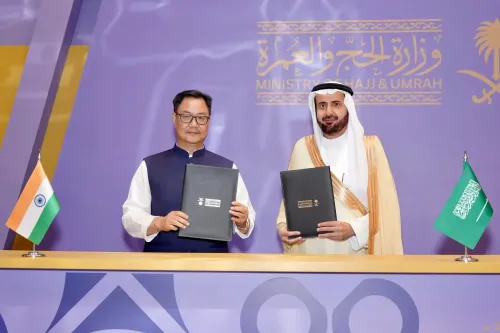
The Indian Haj Mission has won two Labbaytum Awards from Saudi Arabia's Ministry of Hajj and Umrah for excellence in Haj 2026 coordination — a historic first — as announced by Union Minister Kiren Rijiju on 30 May 2026. The award recognises seamless cooperation between India's Ministry of Minority Affairs, the Haj Committee of India, and the mission in Riyadh and Jeddah.
Key Takeaways
The Indian Haj Mission has won two Labbaytum Awards from Saudi Arabia's Ministry of Hajj and Umrah — the first time India has received this recognition.
The awards were announced by Union Minister Kiren Rijiju on 30 May 2026 , citing excellence in Haj coordination and communication.
The honour reflects cooperation between the Ministry of Minority Affairs , the Haj Committee of India , and the Indian Haj Mission in Riyadh and Jeddah.
India phased out the central Haj subsidy in 2018 following Supreme Court directions, shifting focus to service quality and inter-ministerial coordination.
The recognition carries diplomatic significance within the broader India-Saudi Arabia strategic partnership covering energy, trade, and diaspora welfare.
India's Haj quota for 2027 and a parliamentary review of pilgrim support mechanisms are expected to be the next key milestones to watch.
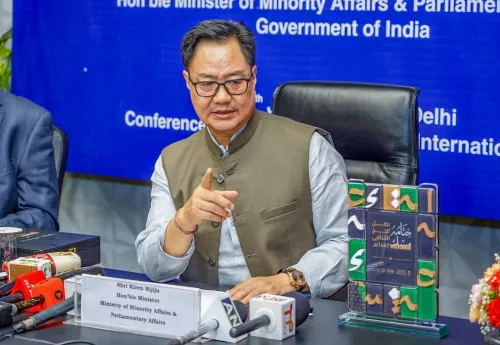
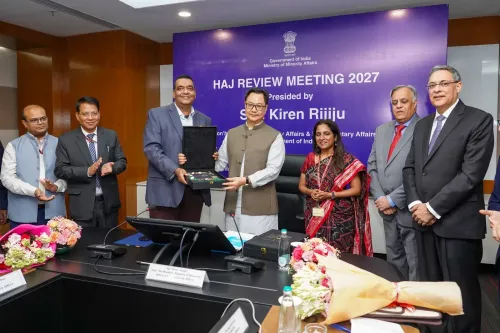
Union Parliamentary Affairs and Minority Affairs Minister Kiren Rijiju announced on Saturday, 30 May 2026, that the Indian Haj Mission has received two prestigious Labbaytum Awards from the Saudi Ministry of Hajj and Umrah — the first time India has won the honour — recognising excellence in Haj coordination and communication during Haj 2026.
Context
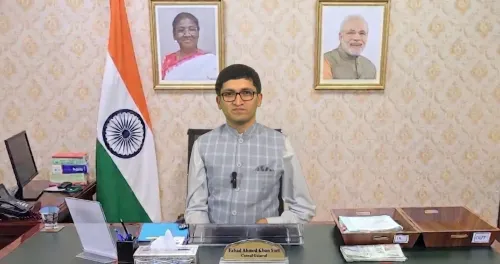
Posting on X, Rijiju said the awards reflect 'seamless coordination between the Ministry of Minority Affairs, Haj Committee of India, and the Indian Haj Mission led by India's Ambassador in the Kingdom of Saudi Arabia and the Consul General in Jeddah.' He added that the 'successful conduct of the core phase of Haj 2026' was the direct outcome of this inter-agency cooperation. The minister also expressed gratitude to the Kingdom of Saudi Arabia for its 'continued support and excellent arrangements for pilgrims.'
The Labbaytum Awards are conferred by the Saudi Ministry of Hajj and Umrah to recognise outstanding coordination by foreign Haj missions. This is the first instance of the Indian Haj Mission receiving the award, and India picked up two of the honours in a single year.
Policy Backdrop
The Haj Committee of India was constituted under the Haj Committee Act, 2002, as the statutory nodal body for managing the annual pilgrimage of Indian Muslims. It handles pilgrim selection, registration, and end-to-end coordination with Saudi counterparts. The Indian Haj Mission — comprising the Indian Embassy in Riyadh and the Consulate General in Jeddah — serves as the on-ground operational arm during the Haj season.
A landmark shift came in 2018, when India phased out the central Haj subsidy following Supreme Court directions, redirecting focus toward service quality, digital tracking of pilgrims, and tighter inter-ministerial coordination. The post-pandemic resumption of pilgrimage further accelerated investment in streamlined logistics and real-time communication between Indian agencies and Saudi authorities.
Stakeholders and Impact
India is among the largest contributors of Haj pilgrims globally, and the annual pilgrimage is a matter of deep significance for the country's Muslim community. Improved coordination directly affects the safety, comfort, and experience of tens of thousands of Indian pilgrims who travel to Mecca and Medina each year. Recognition from Saudi authorities signals that India's operational standards have reached a level of excellence that is being formally acknowledged at a bilateral level.
The award also carries diplomatic weight. India-Saudi Arabia ties span energy security, trade, and the welfare of a large Indian diaspora in the Kingdom. Formal recognition in the domain of religious facilitation strengthens the people-to-people dimension of this strategic partnership. Muslim community organisations and pilgrim welfare groups are among the key stakeholders who stand to benefit from the continued professionalisation of Haj management.
What's Next
Attention will now turn to India's Haj quota for 2027 and whether the recognition will translate into expanded pilgrim allocations or enhanced service agreements with Saudi authorities. Any review of pilgrim support mechanisms is also likely to feature during the upcoming winter session of Parliament, where the Ministry of Minority Affairs may be called upon to detail outcomes from Haj 2026. The twin awards are expected to set a benchmark for how India structures its Haj mission operations in the years ahead.
Point of View
Which has been quietly professionalised since the subsidy phase-out in 2018. For Minister Rijiju, the announcement serves a dual purpose: validating his ministry's administrative record and reinforcing India-Saudi people-to-people ties ahead of potential quota negotiations for 2027. The recognition also reflects a broader government push to reframe minority welfare policy around service delivery rather than financial transfers. Whether this translates into tangible improvements in pilgrim quotas or bilateral agreements will be the real test of the award's strategic value.
NationPress
19 Sept 2026
Frequently Asked Questions
What is the Labbaytum Award given by Saudi Arabia?
The Labbaytum Award is conferred by Saudi Arabia's Ministry of Hajj and Umrah to recognise foreign Haj missions for outstanding coordination and communication during the Haj season. India's Haj Mission received the award for the first time in 2026, winning two honours in a single year.
Who leads the Indian Haj Mission?
The Indian Haj Mission is led by India's Ambassador to the Kingdom of Saudi Arabia and the Consul General in Jeddah. The mission manages on-ground pilgrim logistics and coordinates with Saudi authorities during the Haj season.
What is the Haj Committee of India?
The Haj Committee of India is a statutory body constituted under the Haj Committee Act, 2002. It functions under the Ministry of Minority Affairs and is responsible for pilgrim selection, registration, and coordination for the annual Haj pilgrimage.
Why did India stop the Haj subsidy?
India phased out the central Haj subsidy in 2018 following directions from the Supreme Court. The government subsequently redirected efforts toward improving service quality, digital tracking of pilgrims, and strengthening coordination between Indian agencies and Saudi authorities.
How many Indian pilgrims go for Haj each year?
India is among the largest contributors of Haj pilgrims globally, with tens of thousands of Indian Muslims travelling to Mecca and Medina each year. The exact annual quota is determined through bilateral negotiations between India and Saudi Arabia.