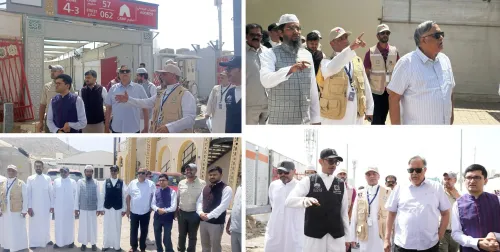
Haj 2027 preparations: Indian envoy, Saudi Minister review Jeddah facilities

Synopsis
India's Ambassador to Saudi Arabia met the Saudi Vice Minister of Hajj and Umrah on 4 October to review Haj 2027 logistics — inspecting the Jeddah Haj Terminal and Haramain Railway Station that together serve over 1,00,000 Indian pilgrims annually. With portal integration talks already under way since August, the groundwork for a smoother Haj 2027 is being laid months ahead of schedule.
Key Takeaways
India's Ambassador Vipul met Saudi Vice Minister of Hajj and Umrah Dr.
Abdulfattah bin Suleiman Al-Mashat on 4 October 2026 in Jeddah.
The two sides reviewed preparations for Haj 2027 and discussed closer coordination between the Indian Haj Mission and Saudi authorities.
The delegation inspected the Haj Terminal at Jeddah Airport and the Haramain High Speed Railway Station — key nodes for over 1,00,000 Indian pilgrims annually.
On 9 August , Ministry of Minority Affairs Secretary Srivatsa Krishna separately met Saudi officials to discuss technical integration of Indian and Saudi Haj portals.
Preparations involve leveraging emerging technologies to streamline services and improve the overall Haj experience for Indian pilgrims.
India's Ambassador to Saudi Arabia, Vipul, on 4 October 2026 met Dr. Abdulfattah bin Suleiman Al-Mashat, Vice Minister of Hajj and Umrah of the Kingdom of Saudi Arabia, to comprehensively review preparations for Haj 2027. The meeting, which also included an inspection of the Haj Terminal at Jeddah Airport and the Haramain High Speed Railway Station, signals intensifying bilateral coordination ahead of one of the world's largest annual pilgrimages.
What the Meeting Covered
Ambassador Vipul, accompanied by Consul General Fahad Suri and Consul (Haj) Sadaf Choudhary, held discussions with senior officials of the Saudi Hajj and Umrah Ministry. According to the Consulate General of India in Jeddah, the two sides 'comprehensively reviewed preparations for Haj 2027 and discussed continued close coordination between the Indian Haj Mission and the Ministry of Hajj and Umrah, Saudi Arabia, for the forthcoming Haj 2027.'
Infrastructure Inspection at Jeddah
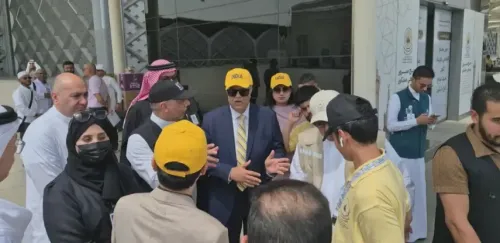
Following the ministerial meeting, the delegation visited two critical operational nodes: the Haj Terminal at Jeddah Airport and the Haramain High Speed Railway Station. With over 1,00,000 Indian pilgrims travelling through the Haj Committee of India route each year, both facilities play a pivotal role in managing arrival logistics and onward movement during the Haj season. The Ambassador reviewed facilities, infrastructure, and operational arrangements at both locations, interacting directly with officials responsible for Haj preparations.
Background: Months of Coordination
This visit is the latest in a series of high-level engagements that have been building momentum for months. On 9 August, Ministry of Minority Affairs Secretary Srivatsa Krishna met Abdulaziz Al Mathami, Deputy Minister for Planning and Digital Transformation at the Ministry of Haj and Umrah, along with the Nusuk Masar team. Those discussions focused on the technical integration of Indian and Saudi Haj portals and the use of emerging technologies to streamline services. The Consulate noted that the aim was to 'leverage emerging technologies to enhance coordination, streamline services, and further improve the Haj experience for Indian pilgrims.'
What This Means for Indian Pilgrims
The sustained diplomatic engagement reflects the scale of India's Haj operation — one of the largest national contingents globally. Improved portal integration could translate into smoother visa processing, better accommodation allocation, and more efficient transport management at Jeddah. Notably, past Haj seasons have seen operational bottlenecks at the airport and rail network during peak arrival periods, making infrastructure readiness a priority concern for the Indian mission well in advance of the pilgrimage season.
Point of View
Now on ground infrastructure in October — suggest India is treating Haj 2027 logistics as a diplomatic priority, not a bureaucratic routine. With over a lakh pilgrims dependent on a compressed operational window, any failure at Jeddah's airport or Haramain rail links carries real human cost. The push for technical integration of Haj portals is the more consequential thread here: if it works, it could reduce the chronic last-mile friction that Indian pilgrims have faced for years. The question is whether the technology implementation timeline aligns with Haj 2027's operational calendar — a risk that past bilateral IT coordination efforts have not always managed well.
NationPress
4 Oct 2026
Frequently Asked Questions
What is the current status of Haj 2027 preparations between India and Saudi Arabia?
As of October 2026, preparations are well advanced, with India's Ambassador to Saudi Arabia having met the Saudi Vice Minister of Hajj and Umrah on 4 October to review logistics, inspect key infrastructure at Jeddah, and reaffirm coordination between the Indian Haj Mission and Saudi authorities.
Why did the Indian envoy inspect the Haj Terminal and Haramain Railway Station?
The Haj Terminal at Jeddah Airport and the Haramain High Speed Railway Station are critical transit points for over 1,00,000 Indian pilgrims who travel via the Haj Committee of India route each year. The inspection was aimed at reviewing facilities, infrastructure, and operational readiness ahead of Haj 2027.
What are the Indian and Saudi Haj portals, and why is their integration important?
The two countries operate separate digital platforms for Haj registration, visa processing, and logistics management. Integrating them is intended to streamline coordination, reduce processing delays, and improve the overall experience for Indian pilgrims. Discussions on this technical integration were held in August 2026 between Ministry of Minority Affairs Secretary Srivatsa Krishna and Saudi Deputy Minister Abdulaziz Al Mathami.
Who represented India in the Haj 2027 preparatory meetings?
Ambassador Vipul led the 4 October 2026 delegation, accompanied by Consul General Fahad Suri and Consul (Haj) Sadaf Choudhary. The August meeting was led by Ministry of Minority Affairs Secretary Srivatsa Krishna, also accompanied by Consul General Fahad Ahmed Khan Suri.
How many Indian pilgrims travel for Haj each year?
More than 1,00,000 Indian pilgrims travel through the Haj Committee of India route annually, making India one of the largest national contingents at the Haj. This scale makes advance infrastructure planning and bilateral coordination especially critical.