Rijiju wraps Saudi Arabia visit, eyes Haj 2027 cooperation

Synopsis
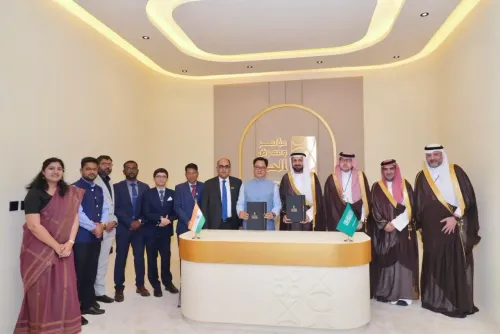
Union Minister Kiren Rijiju concluded a visit to Saudi Arabia on November 10, 2026, citing strengthened bilateral bonds and a shared commitment to pilgrim welfare and the successful conduct of Haj 2027. The visit advances India's year-on-year coordination with Riyadh on one of the world's largest religious pilgrimages.
Key Takeaways
Kiren Rijiju , Union Minister for Parliamentary Affairs and Minority Affairs, concluded a bilateral visit to Saudi Arabia on November 10, 2026 .
Rijiju described the trip as 'productive and meaningful,' with the two sides reaffirming close friendship and cooperation.
A core focus of the visit was coordination on Haj 2027 , including pilgrim welfare and logistics planning.
India–Saudi Arabia ties were elevated to a strategic partnership via the Riyadh Declaration during PM Modi's 2016 visit .
India is one of the largest sender-nations for Haj pilgrims globally, making ministerial-level Haj coordination a high-stakes annual exercise.
Follow-up announcements on Haj 2027 pilgrim quotas and bilateral agreements from the visit are expected in coming weeks.
Union Parliamentary Affairs and Minority Affairs Minister Kiren Rijiju returned from a bilateral visit to the Kingdom of Saudi Arabia on Tuesday, November 10, 2026, calling the trip 'productive and meaningful' and citing a shared commitment to pilgrim welfare ahead of Haj 2027.
What Rijiju carried to Riyadh — and what he brought back
Rijiju, who oversees India's Haj policy as Minority Affairs Minister, described the visit as one that 'further strengthened the close bonds of friendship and cooperation between India and Saudi Arabia.' The diplomatic register is deliberate: Haj coordination is not merely ceremonial — it involves pilgrim quotas, health and safety logistics, accommodation allocations, and emergency protocols that require year-on-year negotiation between the two governments.
India consistently ranks among the largest sender-nations for Haj pilgrims globally, making the Ministry of Minority Affairs the operational nerve centre for one of the world's most logistically complex religious events. With Haj 2027 now on the planning horizon, the timing of this visit puts New Delhi well ahead of the curve on securing arrangements.
A partnership built over decades — and deepened by Modi's Riyadh Declaration
The India–Saudi Arabia relationship carries weight well beyond religious tourism. Prime Minister Narendra Modi's 2016 visit to Riyadh produced the landmark Riyadh Declaration, elevating bilateral ties to a full strategic partnership. Since then, the two countries have expanded cooperation across energy security, trade, and diaspora affairs — India's Gulf diaspora in Saudi Arabia numbers in the millions and their remittances form a significant pillar of household economies back home.
Haj coordination has remained one of the most consistent and visible threads in this wider fabric. Regular bilateral consultations, built on mechanisms established over previous decades, mean that a ministerial visit like Rijiju's is both routine and consequential — routine in cadence, consequential in outcomes.
What the Indian Muslim community will be watching for
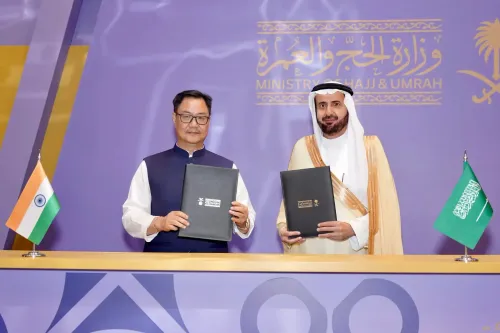
For Indian Haj pilgrims and the broader Muslim community, the most closely watched follow-ups will be announcements on Haj 2027 pilgrim quotas, updated logistics frameworks, and any new bilateral agreements formalised during the visit. The Haj Committee of India, which works under the Ministry of Minority Affairs, will translate whatever was agreed at the diplomatic level into on-ground arrangements.
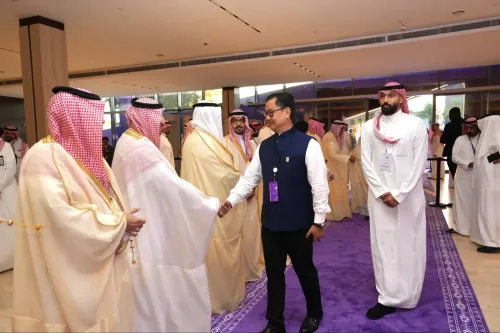
Rijiju thanked Saudi Arabia's 'leadership and people' for their 'warm hospitality' — language that signals the conversations were conducted at a senior level and in a constructive atmosphere. The public framing of the visit as productive, with specific mention of Haj 2027, suggests concrete groundwork was laid rather than a ceremonial exchange.
India's Haj pilgrims have a minister who just came back from doing the homework. Now comes the detail.
Point of View
The Ministry of Minority Affairs signals it is moving into logistical planning mode early — a lesson from past years when last-minute quota negotiations created uncertainty for pilgrims. Within the broader India–Gulf engagement arc, religious diplomacy increasingly functions as a soft-power complement to energy and trade ties, giving New Delhi multiple durable channels into Riyadh regardless of fluctuating oil prices or geopolitical turbulence.
NationPress
10 Nov 2026
Frequently Asked Questions
Why did Kiren Rijiju visit Saudi Arabia?
Rijiju visited Saudi Arabia to strengthen bilateral ties and advance cooperation on Haj 2027 , including pilgrim welfare and logistics arrangements for Indian pilgrims.
What is Haj 2027 and why does it matter for India?
Haj 2027 is the upcoming annual Islamic pilgrimage to Mecca. India is among the largest sender-nations globally, so the two governments coordinate pilgrim quotas, accommodation, health protocols, and emergency logistics every year.
What is India's relationship with Saudi Arabia?
India and Saudi Arabia are strategic partners — a status formalised in the 2016 Riyadh Declaration during PM Modi's visit. The relationship spans energy security, trade, diaspora welfare, and religious pilgrimage coordination.
Which ministry handles Haj arrangements in India?
The Ministry of Minority Affairs , currently headed by Kiren Rijiju, oversees Haj policy and works with the Haj Committee of India to manage pilgrim logistics and bilateral negotiations with Saudi Arabia.
What can Indian Haj pilgrims expect after Rijiju's Saudi visit?
Follow-up announcements are expected on Haj 2027 pilgrim quotas , updated logistics frameworks, and any new bilateral agreements. The Haj Committee of India will translate the diplomatic groundwork into on-ground arrangements for pilgrims.