Giriraj Singh hails 'India Weaves' handloom expo in New Delhi
Synopsis
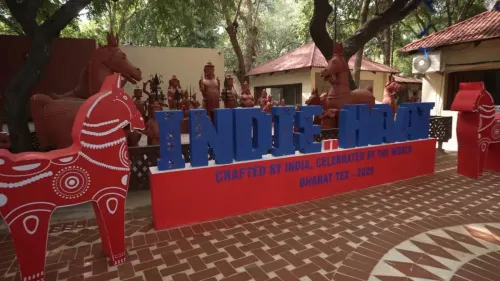
Union Textiles Minister Giriraj Singh on November 5, 2026 lauded the 'India Weaves' handloom exhibition in New Delhi, calling it a praiseworthy effort to recognise weavers' skills and showcase India's diverse handloom heritage from multiple states on one platform.
Key Takeaways
Union Textiles Minister Giriraj Singh publicly praised the 'India Weaves' handloom exhibition in New Delhi on November 5, 2026 .
The exhibition features weavers from multiple states , presenting India's diverse regional handloom heritage on a single platform.
Singh described the event as a 'praiseworthy effort' to bring recognition to India's weaving traditions and artisan skills.
The event aligns with the Ministry of Textiles' broader policy of linking cultural preservation with rural livelihood support through national handloom expos.
India's handloom sector provides livelihoods to millions of artisans, with GI-protected products such as Banarasi silk and Pochampally ikat forming key pillars of its value chain.
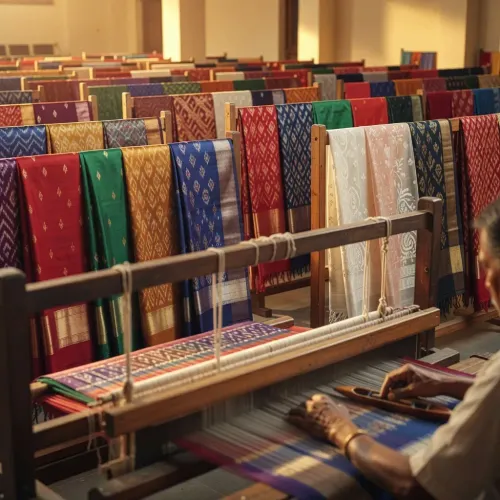
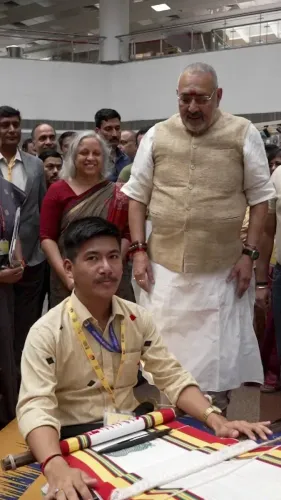
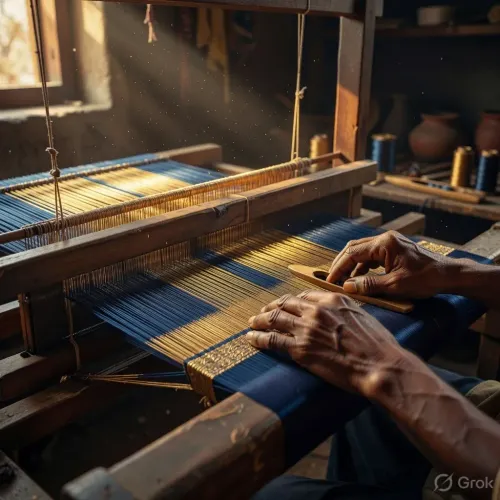
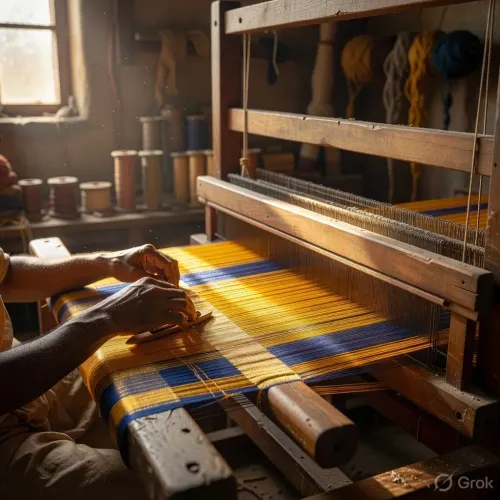
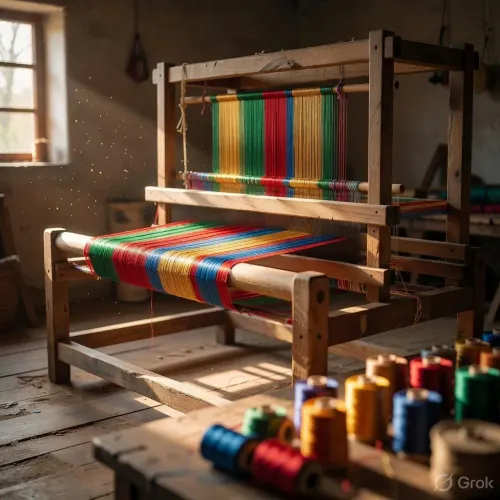
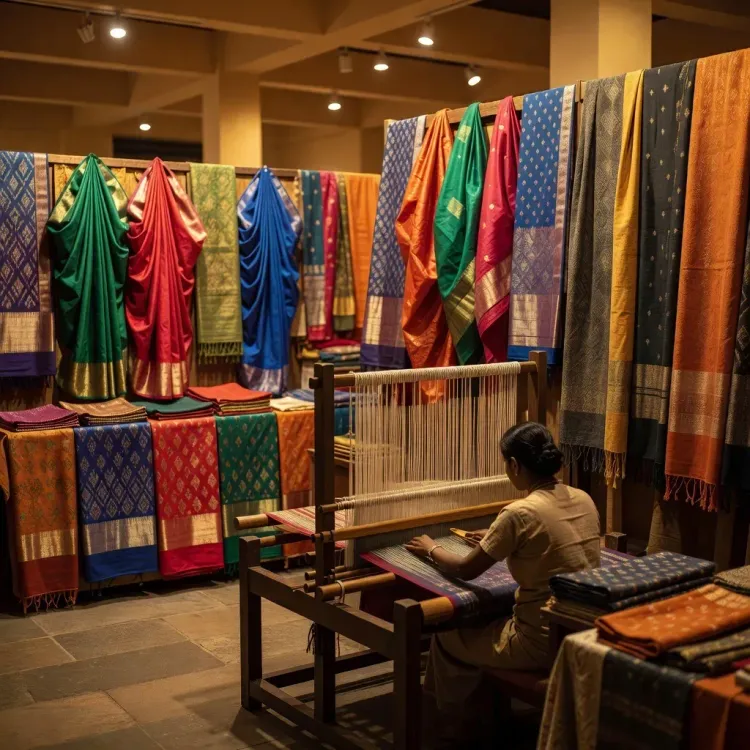
Thousands of threads, hundreds of weavers, one stage — Union Textiles Minister Giriraj Singh on Thursday, November 5, 2026, spotlighted the 'India Weaves' handloom exhibition in New Delhi as a commendable effort to give recognition to India's rich weaving traditions and the artisans behind them.
Posting on X, the minister wrote: 'नई दिल्ली में आयोजित 'इंडिया वीव्स' हथकरघा प्रदर्शनी देश की समृद्ध बुनाई परंपरा और बुनकरों के हुनर को पहचान दिलाने का एक सराहनीय प्रयास है।' ('The 'India Weaves' handloom exhibition held in New Delhi is a praiseworthy effort to bring recognition to the country's rich weaving tradition and the skill of its weavers.') He further noted that the participation of weavers from various states of the country is presenting India's diverse handloom heritage on a single platform.
Weavers from across India converge on one platform
The exhibition brings together handloom artisans from multiple states, turning New Delhi into a living showcase of India's regional weaving identities — from the silk clusters of the northeast to the cotton traditions of the Deccan. This multi-state participation directly mirrors the federal structure of handloom promotion programmes administered by the Ministry of Textiles, which has long worked to build market linkages for rural weavers beyond their home districts.
India's handloom sector is one of the largest cottage industries in the country, providing livelihoods to millions of artisans, many of them from economically vulnerable communities. National-level exhibitions in the capital serve a dual purpose: cultural visibility and direct consumer access, cutting through the long chain of middlemen that often erodes weaver earnings.
GI tags and the architecture of handloom protection
Events like 'India Weaves' sit within a wider policy architecture. The Geographical Indications of Goods (Registration and Protection) Act, 1999 has been deployed to shield a range of traditional weaving products — from Banarasi silk to Pochampally ikat — giving them legal identity and market premium. GI status prevents cheaper imitations from flooding the market and diluting the value of a weaver's craft honed over generations.
The Ministry of Textiles has periodically organised national-level handloom events in Delhi as part of this consistent approach linking cultural preservation with rural livelihood support. 'India Weaves' fits that established pattern — but the minister's public endorsement signals continued political priority for the sector heading into the next budget cycle.
Point of View
The minister reinforces the Ministry of Textiles' federal outreach model ahead of what could be a significant budget cycle for cottage industries. The move also keeps GI-linked craft sectors in the political conversation at a time when rural artisan income remains a pressure point. Exhibitions like this function as soft-power instruments domestically — building a narrative of living heritage — while also creating direct market opportunities that harder policy tools alone cannot replicate.
NationPress
5 Nov 2026
Frequently Asked Questions
What is the 'India Weaves' exhibition in New Delhi?
'India Weaves' is a handloom exhibition held in New Delhi that brings together weavers from multiple Indian states to showcase the country's diverse regional weaving traditions and provide them greater market visibility.
What did Giriraj Singh say about the India Weaves handloom expo?
Union Textiles Minister Giriraj Singh called the 'India Weaves' exhibition a praiseworthy effort to recognise India's rich weaving tradition and the skills of its weavers, noting that multi-state participation presents the country's handloom heritage on a single platform.
What is the Ministry of Textiles' role in promoting handlooms in India?
The Ministry of Textiles is the central government body responsible for handloom policy, development programmes, and market linkages for weavers, and it regularly organises national-level exhibitions to connect artisans with wider audiences.
How do GI tags protect Indian handloom products?
Under the Geographical Indications of Goods (Registration and Protection) Act, 1999, traditional handloom products such as Banarasi silk and Pochampally ikat receive legal identity that prevents cheaper imitations from undermining artisans' livelihoods and product value.
Why are national handloom exhibitions important for Indian weavers?
National handloom exhibitions in cities like New Delhi give artisans from rural and remote areas direct access to consumers and buyers, reducing dependence on middlemen and helping weavers earn a fairer return on their craft.