Giriraj Singh Pushes Digital Markets for India's Handloom Weavers
Synopsis
Union Textiles Minister Giriraj Singh has called for integrating India's handloom sector with digital platforms and e-commerce, framing it as a path to new markets, better earnings, and global recognition for Indian weavers and their heritage.
Key Takeaways
Union Textiles Minister Giriraj Singh posted on August 8, 2026 advocating digital and e-commerce linkages for India's handloom weavers.
He argued the push is not just about sales reach but about giving weavers' skills a new identity and their heritage global recognition.
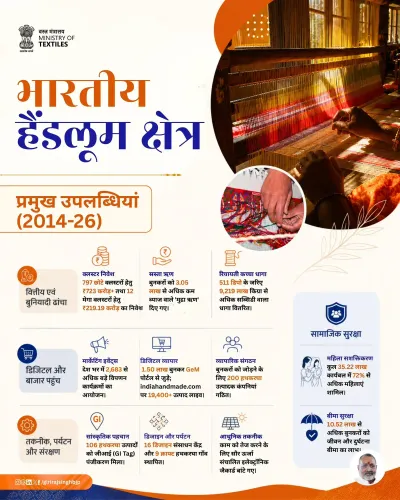
The India Handloom Brand , launched in 2015 , already provides quality certification and branding support to handloom products.
The National Handloom Development Programme (restructured 2015-16 ) included technology upgradation and market linkage components for weavers.
Singh's framing connects handloom exports to the broader Digital India and Make in India policy arcs.
Ministry of Textiles announcements on e-commerce tie-ups and revised handloom export targets will be the next indicators of concrete action.
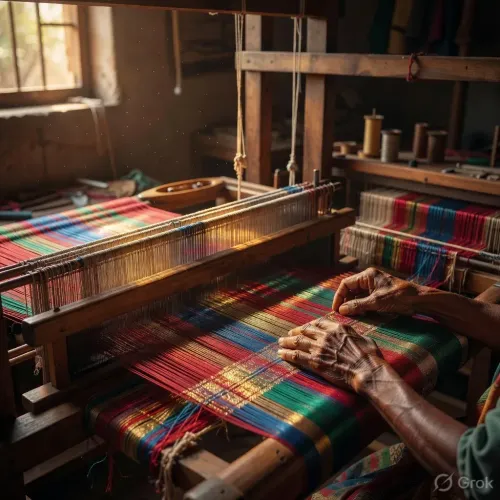
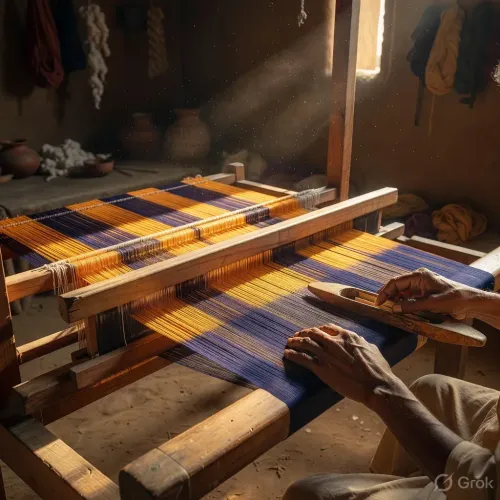
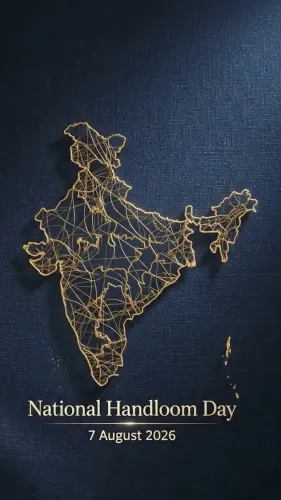
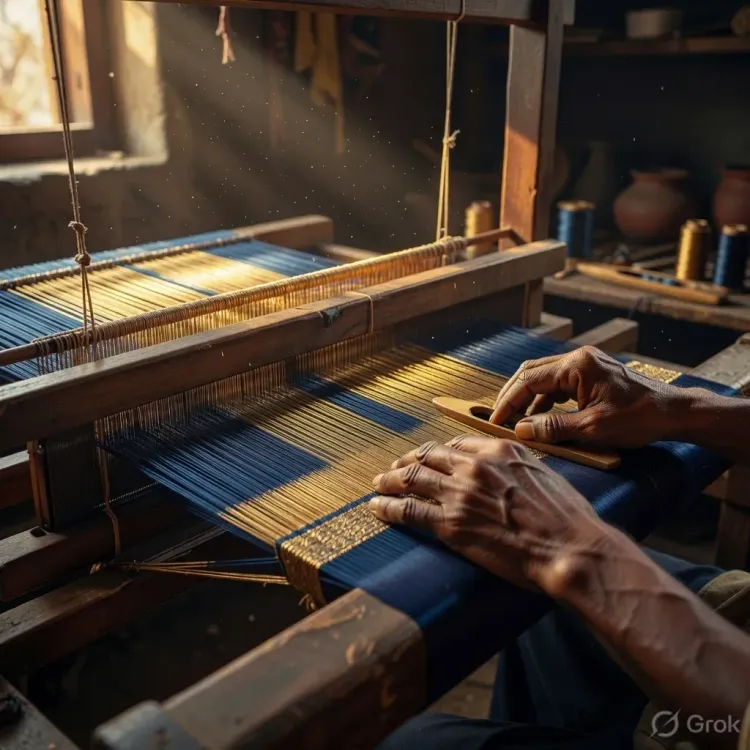
India's handloom weavers have long been the custodians of a textile heritage that predates industrialisation — yet their earnings have rarely matched their artistry. Union Textiles Minister Giriraj Singh is now making a direct case for changing that equation, arguing that digital platforms and e-commerce hold the key to giving Indian weavers a global market and a new identity.
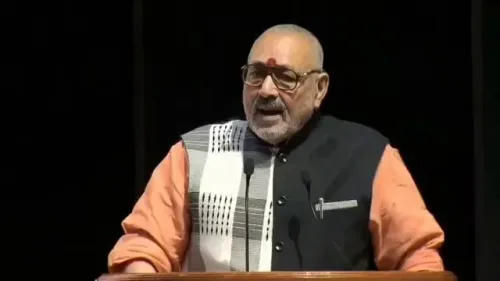
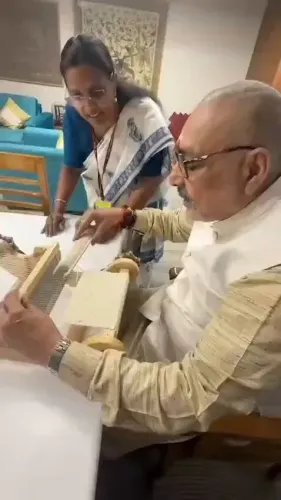
Posting on Saturday, August 8, 2026, Singh wrote — 'हथकरघा को आधुनिक बाजार और तकनीक से जोड़ना केवल उत्पादों की पहुंच बढ़ाना नहीं, बल्कि हमारे बुनकरों के हुनर को नए अवसर और नई पहचान देना है' — 'Connecting handloom to modern markets and technology is not merely about expanding product reach; it is about giving our weavers' skills new opportunities and a new identity.' He added that when Indian weavers' craft reaches the world, their labour will find new markets and India's rich heritage will earn global recognition.
From Clusters to Clicks: The Digital Push for Handloom
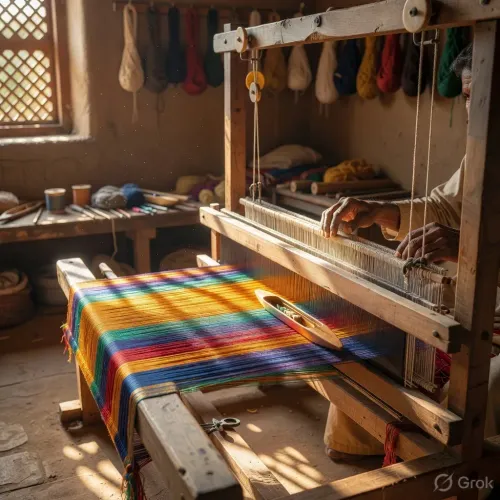
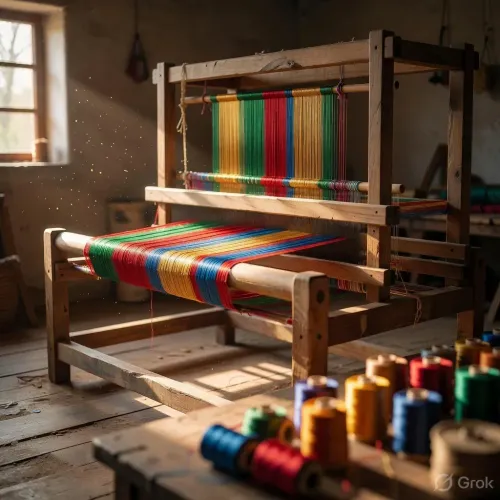
The argument is not new, but the urgency is sharper. India's handloom sector is the world's largest, employing millions of weavers — many in rural clusters across Varanasi, Assam, Andhra Pradesh, West Bengal and Tamil Nadu — who have historically depended on middlemen and local mandis to reach buyers. The shift to e-commerce strips away those layers and, in theory, delivers better margins directly to the artisan. The policy groundwork was laid over a decade ago. The India Handloom Brand, launched in 2015, introduced quality certification and branding support to make Indian handloom products identifiable and trustworthy in premium markets. The National Handloom Development Programme, restructured around 2015-16, added components specifically for technology upgradation and market linkages. Singh's post signals that the Ministry of Textiles sees the next frontier as export-facing digital commerce — tying these schemes to the reach of global platforms.Where 'Digital India' Meets the Loom
The Digital India initiative, launched in 2015, was designed to extend technology access across sectors. Its intersection with handloom promotion represents a convergence of two of the government's flagship thrusts: heritage preservation and digital empowerment. Singh's framing — that digital reach is not just a sales tool but a vehicle for cultural recognition — positions handloom exports as soft power, not just trade policy. The broader pattern here is consistent with Make in India and export-promotion drives that have sought to plug artisanal sectors into global value chains. The question that will determine whether this vision translates into weaver income is execution: which platforms, at what commission rates, with what logistics support for weavers who may lack packaging infrastructure or reliable internet access. Watch for Ministry of Textiles announcements on expanded e-commerce partnerships or revised handloom export targets in the coming fiscal year — those details will tell us whether this vision is moving from declaration to delivery.Point of View
Brand-driven industry — a shift that has been building since the India Handloom Brand launch in 2015. The digital-commerce framing is politically significant: it lets the government claim both cultural nationalism (preserving weaver heritage) and economic modernisation (global market integration) in a single message. The real test, however, is whether ministry-level rhetoric translates into platform partnerships, logistics support, and weaver-facing digital literacy programmes that actually move the needle on artisan incomes. Until concrete scheme details or budget allocations follow, this remains an important signal of intent rather than a policy event in itself.
NationPress
22 Sept 2026
Frequently Asked Questions
What did Giriraj Singh say about handloom weavers and digital platforms?
Textiles Minister Giriraj Singh said connecting handloom to modern markets and technology is about giving weavers' skills new opportunities and a new identity, and that digital platforms and e-commerce offer vast potential to link Indian handloom to global markets.
What is the India Handloom Brand?
The India Handloom Brand is a government initiative launched in 2015 to provide quality certification, branding, and marketing support to handloom products, helping them stand out in premium domestic and international markets.
How does Digital India relate to handloom weavers?
The Digital India initiative, launched in 2015 to promote technology access across sectors, intersects with handloom policy by enabling weavers to reach buyers through e-commerce platforms, bypassing traditional middlemen and potentially improving their earnings.
What is the National Handloom Development Programme?
The National Handloom Development Programme, restructured around 2015-16, is a central government scheme that includes components for technology upgradation and market linkages specifically designed to support handloom weavers across India.
What should we watch for next from the Ministry of Textiles on handloom e-commerce?
Key indicators to watch include Ministry of Textiles announcements on new e-commerce platform partnerships for handloom products and revised handloom export targets for the coming fiscal year, which will signal whether the policy intent is moving toward concrete implementation.