Giriraj Singh Backs Handloom Revival in Dhapewada
Synopsis
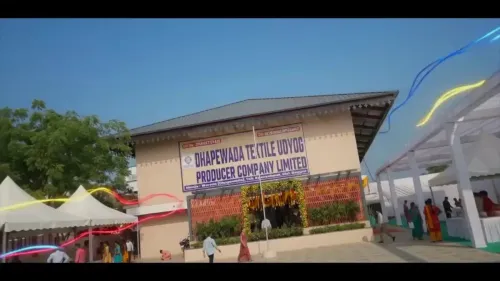
Union Textiles Minister Giriraj Singh on October 18 lauded a handloom revival drive in Dhapewada, emphasising employment links for local weavers, women's economic empowerment, and wider market access for traditional Indian textile products.
Key Takeaways
Union Textiles Minister Giriraj Singh highlighted a handloom revival initiative in Dhapewada on October 18, 2026 .
The initiative aims to connect traditional weaver skills with formal employment and entrepreneurship .
Women's economic empowerment is stated as a primary objective of the programme.
The effort aligns with the National Handloom Development Programme , running in phases since 2014-15 .
Wider market access for Indian handloom products — potentially including e-commerce and GI tagging — is a key goal.
India's handloom sector is one of the world's largest cottage industries, employing millions, predominantly rural women.
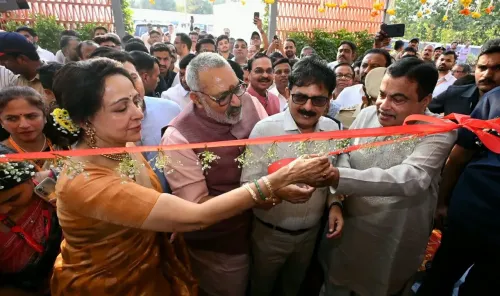
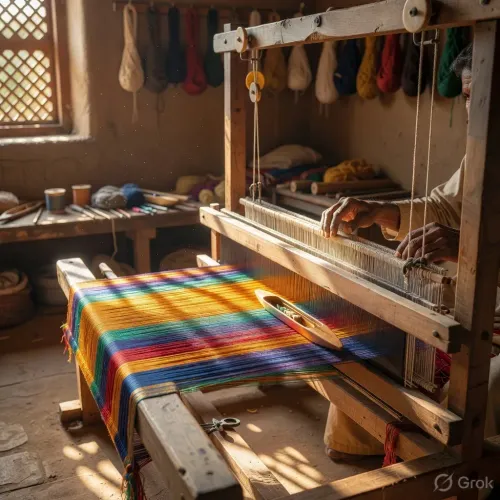
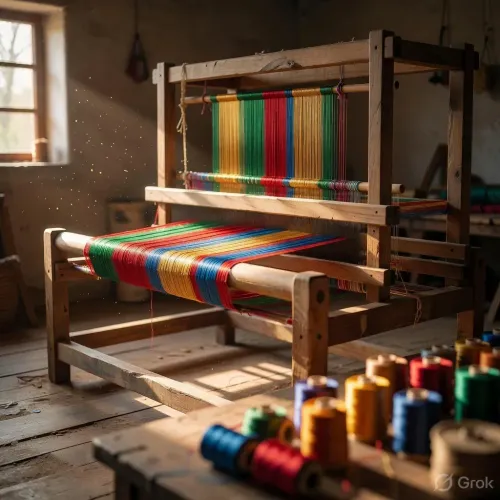
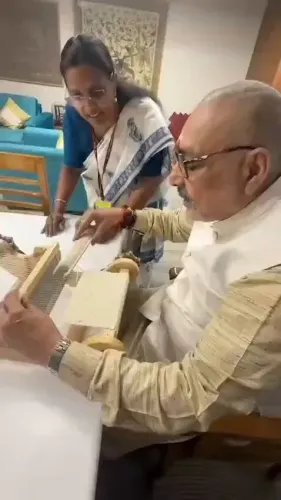
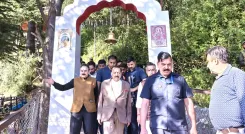
A centuries-old craft is getting a second chance. Union Textiles Minister Giriraj Singh on Sunday, October 18, 2026, hailed an initiative to revive the traditional handloom industry in Dhapewada, describing it as a significant step toward connecting local weavers' ancestral skills with formal employment and entrepreneurship.
Posting in Hindi on X, the Minister wrote: 'The revival of the traditional handloom industry in Dhapewada is an important step toward linking local weavers' traditional skills with employment and entrepreneurship. This initiative will assist in the economic empowerment of women, providing wider market access for Indian handloom products, and giving a new identity to the country's rich textile tradition.'
Dhapewada's Weavers at the Centre of a Bigger Push
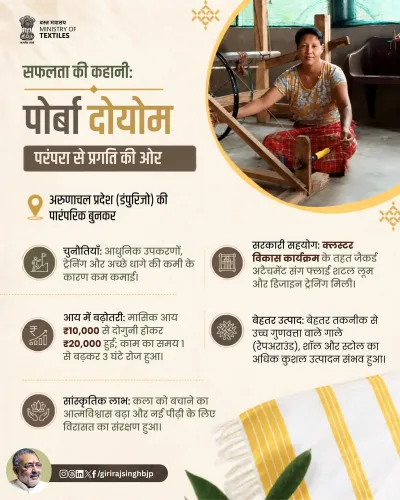
The Dhapewada initiative slots into a well-established policy architecture. The National Handloom Development Programme, running in phases since 2014-15, has channelled central funding into weaver clusters across India — covering infrastructure upgrades, design support, and marketing linkages. Reviving a specific cluster like Dhapewada follows the same blueprint: identify a region with dormant artisanal talent, bring it into the formal economy, and connect it to markets that can sustain it.
What makes this moment notable is the explicit emphasis on women. The Minister's statement singles out 'mahilaon ke aarthik sashaktikaran' (women's economic empowerment) as a core objective — a framing that reflects a broader government push to position handloom not just as heritage preservation but as a live livelihood vehicle for rural women.
From Loom to Market: The Access Question
Reviving a cluster is only half the battle. The harder task is building sustained demand. Across similar interventions, the Ministry of Textiles has explored tools ranging from e-commerce tie-ups and national handloom expos to Geographical Indication tagging that gives regional products a premium identity and legal protection in the marketplace. Whether Dhapewada's products will move through any of these channels is the detail that will determine whether the revival sticks or fades.
India's handloom sector remains one of the largest cottage industries in the world, employing millions of weavers — the majority of them women in rural households. Each cluster carries a distinct weave, dye palette, or motif that cannot be replicated by powerloom machinery, which is precisely the competitive edge the government is betting on in an era of growing consumer appetite for authentic, artisanal textiles.
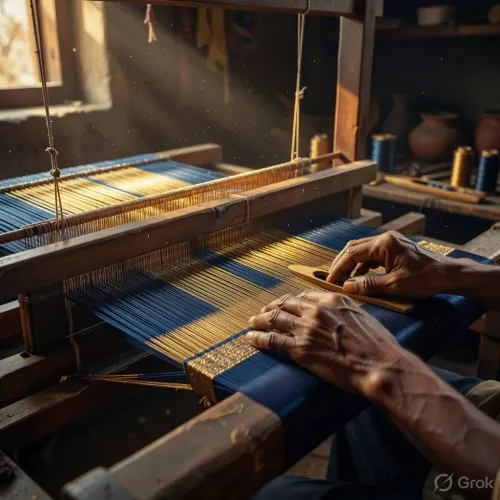
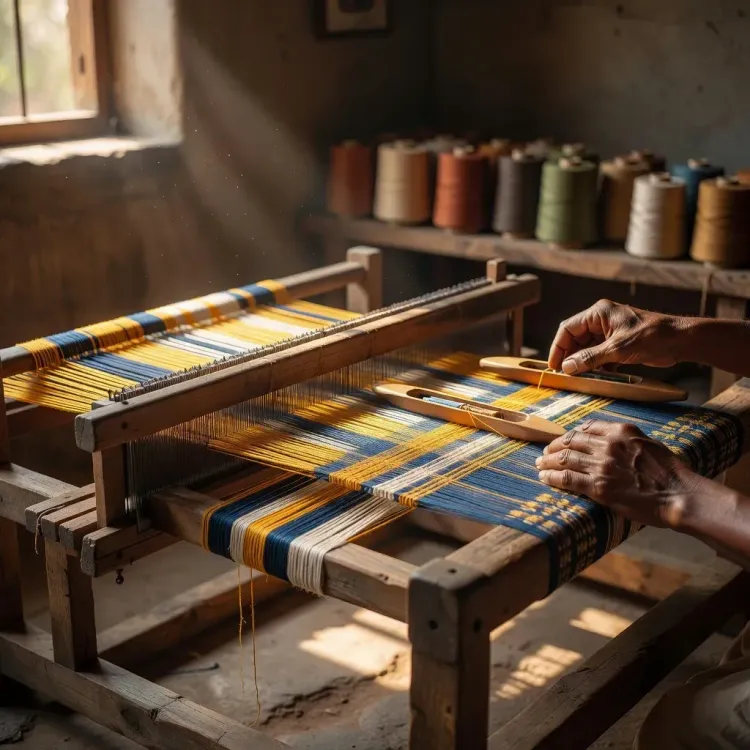
The craftsmanship already exists in Dhapewada. The policy question now is whether the supply chain, design support, and market access infrastructure will arrive fast enough to turn a revival announcement into a durable economic reality for the weavers waiting at their looms.
Point of View
The Ministry is framing handloom not merely as heritage but as an economic growth lever — a positioning that also carries electoral resonance in weaver-heavy constituencies. The real test is execution: previous cluster interventions have shown that design and infrastructure support often outpaces the harder work of building durable commercial supply chains. Dhapewada's outcome will be a litmus test for whether the Centre's handloom push has matured beyond announcements.
NationPress
18 Oct 2026
Frequently Asked Questions
What is the Dhapewada handloom revival initiative?
It is an effort to revive the traditional handloom weaving industry in Dhapewada by linking local weavers' skills to formal employment, entrepreneurship, and wider commercial markets, with a specific focus on women's economic empowerment.
What did Giriraj Singh say about handloom weavers in Dhapewada?
Union Textiles Minister Giriraj Singh said the revival of the traditional handloom industry in Dhapewada is a significant step toward connecting weavers' ancestral skills with employment and entrepreneurship, and will help empower women economically while giving India's textile heritage a new identity.
What is the National Handloom Development Programme?
The National Handloom Development Programme is a central government scheme operational in phases since 2014-15 that supports handloom weaver clusters through infrastructure development, design assistance, and marketing linkages.
How does the government plan to give handloom products wider market access?
Approaches used under similar programmes include e-commerce tie-ups, national handloom expos, and Geographical Indication tagging, which gives regional products a premium identity and legal protection in domestic and export markets.
Why is women's empowerment central to handloom revival schemes?
The majority of India's handloom weavers are women in rural households, making the sector a direct lever for women's economic participation; targeting it is both a livelihood strategy and a stated policy priority of the Ministry of Textiles.