Giriraj Singh Backs New Handloom Hub in Nagpur's Dhapewada
Synopsis
Union Textiles Minister Giriraj Singh spotlighted a new handloom building in Nagpur's Dhapewada on 18 October 2026, saying it will modernise Vidarbha's weaving tradition, create jobs for women artisans, and turn waste fabric into saleable products like rugs and mats.
Key Takeaways
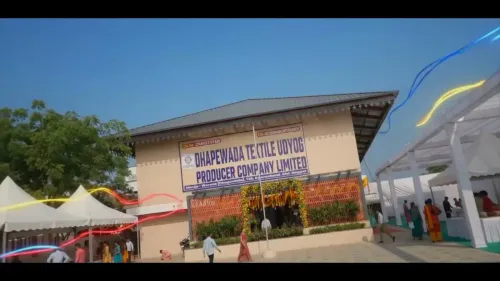
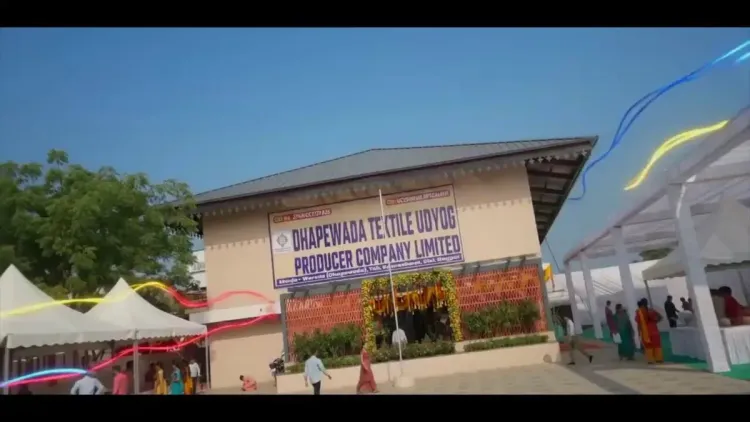
A new handloom industry building in Dhapewada, Nagpur will combine modern training and production facilities with traditional weaving skills.
Union Textiles Minister Giriraj Singh highlighted the facility on 18 October 2026 , emphasising women's employment and economic self-reliance.
The project targets Vidarbha's historically rich but under-resourced handloom weaving community in eastern Maharashtra.
Waste fabric is being converted into dariyas (floor rugs) and mats, demonstrating a circular-economy model at the grassroots level.
The facility is designed to connect local artisans with new markets, addressing a longstanding gap in Vidarbha's handloom sector.
The initiative aligns with the textiles ministry's twin priorities of sustainability and inclusive employment for women artisans.
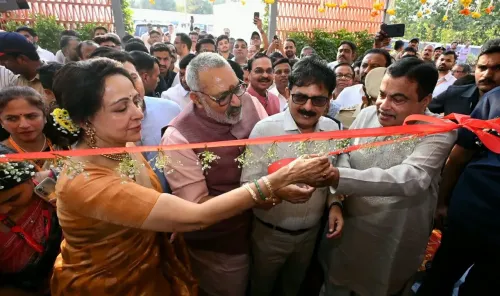
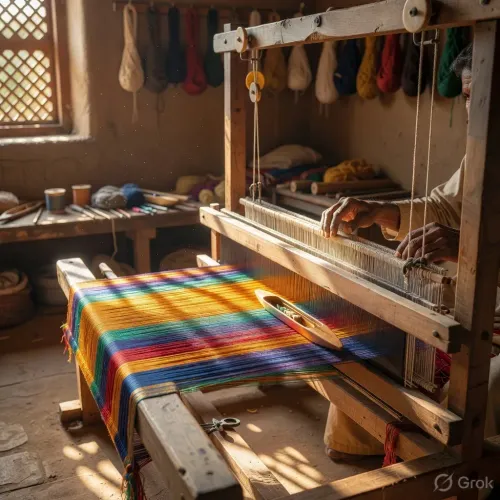
A new building for the handloom industry in Dhapewada, Nagpur is quietly rewriting the story of Vidarbha's weaving tradition — bridging centuries-old craft with modern training, production facilities, and real market access. Union Textiles Minister Giriraj Singh highlighted the development on Sunday, 18 October 2026, calling the facility a vital link between traditional weaving and economic self-reliance for local artisans.
Dhapewada's New Facility: What It Does for Weavers
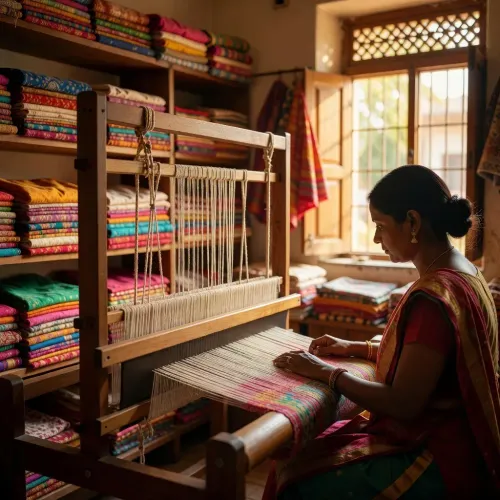
The minister described the building as a platform that will 'sharpen the skills of local weavers, provide employment and economic self-reliance opportunities to women, and help carry Vidarbha's rich weaving tradition to new markets.' The facility is designed not just as a workspace but as a comprehensive ecosystem — training, production, and market linkage under one roof.
One detail stands out for its quiet ingenuity: waste fabric is being converted into usable products such as dariyas (floor rugs) and mats. Singh called this a 'beautiful example of skill, creativity, and environmental conservation' — a phrase that captures the triple dividend the government is pitching: economic value, artisan empowerment, and sustainable production.
Vidarbha's Weaving Heritage Meets Modern Infrastructure
Vidarbha, the eastern belt of Maharashtra anchored by Nagpur, carries a deep handloom legacy. The region's weavers have historically struggled with limited infrastructure, poor market connectivity, and vulnerability to synthetic-fabric competition. Successive government policies have sought to upgrade handloom clusters nationwide — and the Dhapewada facility fits squarely within that broader push to modernise without erasing tradition.
The emphasis on women artisans is particularly pointed. Women form the backbone of handloom production across rural India, yet access to formal training and organised markets has remained uneven. A facility that explicitly targets women's economic participation addresses one of the sector's most persistent gaps.
Waste-to-Product: The Sustainability Angle
The waste-fabric-to-dariya model is more than a craft curiosity — it signals a policy direction. India's textiles sector generates significant fabric waste, and converting that waste into saleable floor coverings creates a circular economy loop at the grassroots level. It keeps input costs low for artisans, reduces landfill burden, and produces goods with genuine consumer demand. That combination is exactly the kind of low-capital, high-impact intervention the handloom sector needs to stay competitive.
The broader textiles ministry agenda has consistently flagged sustainability and inclusivity as twin pillars, and the Dhapewada project appears designed to demonstrate both at the district level — a proof-of-concept that could inform similar clusters elsewhere.
Training Rollout and Market Links: The Test Ahead
The building's promise will ultimately be measured by what happens inside it. The real indicators to watch are the pace of training programme rollouts, the quality of market linkages secured for Vidarbha weavers, and whether the waste-conversion model scales beyond the facility's walls. If those pieces land, Dhapewada could become a template worth replicating across India's other handloom heartlands.
For a region where weaving identity runs deep, the stakes are not merely economic — they are cultural. Getting the infrastructure right is step one. Filling it with sustained opportunity is the harder, longer task.
Point of View
District-level infrastructure — a strategy that generates local goodwill while advancing broader skilling and sustainability goals. Highlighting waste-to-product conversion signals an intent to position Indian handloom within global circular-economy conversations, not just domestic welfare narratives. For Giriraj Singh, championing a Maharashtra project also demonstrates the BJP's cross-state outreach beyond his core Bihar base. The real policy test will be whether market linkages and sustained training follow the building's inauguration — infrastructure without throughput rarely transforms a sector.
NationPress
18 Oct 2026
Frequently Asked Questions
What is the new handloom facility in Dhapewada, Nagpur?
It is a new building for the handloom industry in Dhapewada, Nagpur, designed to link traditional weaving skills with modern training, production infrastructure, and market access for local artisans in Vidarbha.
What did Giriraj Singh say about the Nagpur handloom building?
Union Textiles Minister Giriraj Singh said the facility will sharpen weavers' skills, provide employment and economic self-reliance opportunities to women, and help carry Vidarbha's weaving tradition to new markets.
How does the Dhapewada facility support women artisans?
The facility explicitly targets women's employment and economic self-reliance by providing organised training and production space, addressing a longstanding gap in formal support for women weavers in rural Vidarbha.
What is the waste-fabric initiative at the Nagpur handloom centre?
The facility converts waste or discarded fabric into usable products such as dariyas (floor rugs) and mats, creating a circular-economy model that lowers input costs for artisans and reduces textile waste.
Why is Vidarbha significant for India's handloom industry?
Vidarbha, the eastern region of Maharashtra centred on Nagpur, has a longstanding tradition of handloom weaving. The region's artisans have historically faced limited infrastructure and market access, making targeted government investment particularly impactful.