Giriraj Singh backs textile waste upcycling via Weave The Future
Synopsis
Union Textiles Minister Giriraj Singh championed the 'Weave The Future 4.0' initiative on July 28, 2026, framing textile waste upcycling through artisan skill and modern design as India's path to environmental protection, self-reliance, and craftsperson empowerment — connecting it to the broader Atmanirbhar Bharat vision.
Key Takeaways
Union Textiles Minister Giriraj Singh posted on July 28, 2026 backing the 'Weave The Future 4.0' initiative for textile waste upcycling.
Singh described the initiative as the right direction for environmental protection, self-reliance, and artisan empowerment .
The initiative links textile waste reduction with traditional artisan skill and modern design — a circular economy approach.
The framing aligns with the Atmanirbhar Bharat Abhiyan (launched May 2020 ), which promotes domestic value addition in the textile sector.
India's textile policy has increasingly tied circular economy goals to handloom and handicraft clusters as a dual sustainability and welfare strategy.
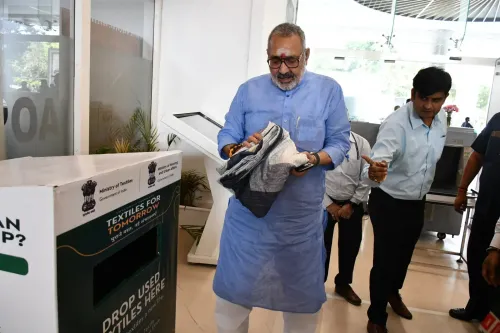
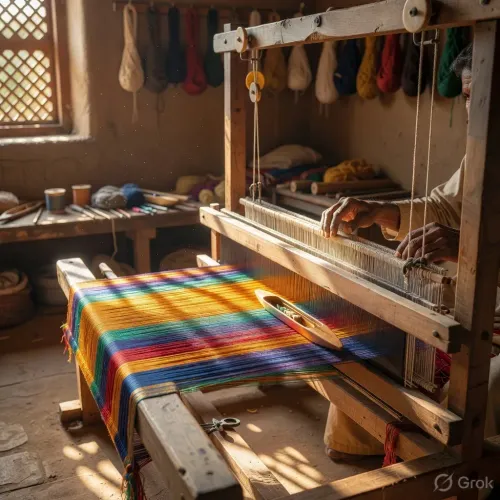
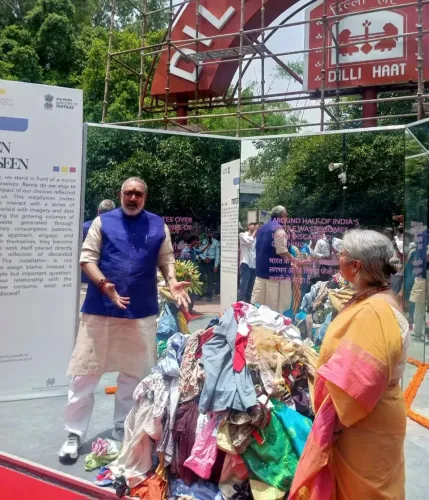
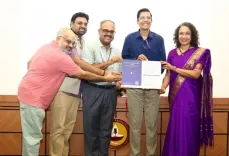
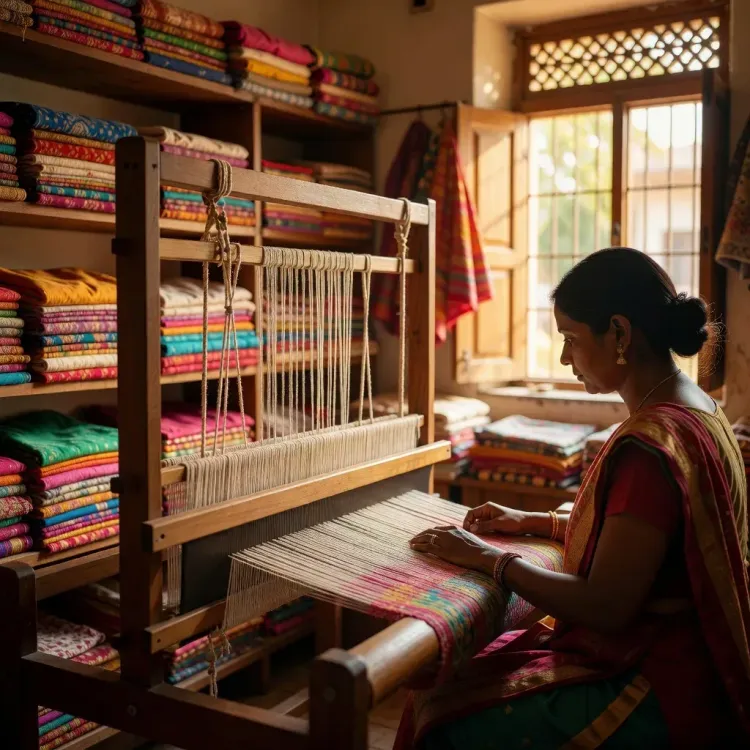
Old clothes are not waste — they are waiting for a second life. Union Textiles Minister Giriraj Singh on Tuesday, July 28, 2026, highlighted how India's artisans and design innovators are turning textile waste into valuable products, pointing to the 'Weave The Future 4.0' initiative as a model for sustainable, artisan-led circular economy thinking.
Posting in Hindi, the Minister wrote: 'पुराने कपड़े जब नवाचार और कारीगरों के हुनर से जुड़ते हैं, तो वे कचरा नहीं, बल्कि नए अवसर बन जाते हैं' — 'When old clothes meet innovation and the skill of artisans, they become not waste, but new opportunities.' He framed the initiative as the right path toward environmental protection, self-reliance, and artisan empowerment.
Circular economy meets traditional craft
India's textile sector generates enormous volumes of fabric waste annually, and the pressure to address it — both environmentally and economically — has grown sharper. The Ministry of Textiles has increasingly positioned circular economy goals alongside the promotion of traditional handloom and handicraft clusters. The idea: instead of treating discarded fabric as a disposal problem, route it back through skilled artisan hands and modern design sensibility to create finished goods with genuine market value. 'Weave The Future 4.0' sits within that broader push. While specific programme details are still emerging publicly, the initiative's framing — upcycling through artisan skill and contemporary design — reflects a direction the ministry has been signalling: waste reduction and artisan welfare as two sides of the same policy coin.Atmanirbhar Bharat's textile thread
The self-reliance angle Singh invoked connects directly to the Atmanirbhar Bharat Abhiyan, launched in May 2020, which placed domestic value addition in textiles at the centre of India's manufacturing ambitions. Upcycling textile waste domestically — rather than exporting raw scrap or importing finished goods — fits squarely inside that logic. Artisan clusters, particularly in handloom-heavy states, stand to benefit if design incubation and waste-channelling infrastructure scales alongside the rhetoric. The hashtags Singh chose — #WeaveTheFuture, #SustainableTextiles, #SaveNature — signal that the Ministry is deliberately pitching this not just as industrial policy, but as an environmental commitment with a cultural identity attached. The real test will be whether recycling norms, artisan skilling pipelines, and design incubation programmes follow the framing with funding and implementation muscle.Point of View
The ministry is trying to give circular economy policy a human face that resonates beyond urban green consumers. The 'Weave The Future' branding suggests an effort to build a recognisable programme identity around upcycling, which could attract design industry and export market interest. Whether that identity translates into funded, scalable infrastructure for artisan clusters remains the central question.
NationPress
27 Oct 2026
Frequently Asked Questions
What is the 'Weave The Future 4.0' initiative?
'Weave The Future 4.0' is an initiative highlighted by Union Textiles Minister Giriraj Singh that focuses on upcycling textile waste through artisan skill and modern design, positioning discarded fabric as an economic and environmental opportunity rather than waste. Specific programme details are still emerging publicly.
What did Giriraj Singh say about textile waste?
Singh said that when old clothes meet innovation and artisan skill, they become new opportunities rather than waste. He called the 'Weave The Future 4.0' initiative an example of India's traditional thinking and modern design coming together to convert textile waste into valuable products.
How does textile upcycling connect to Atmanirbhar Bharat?
The Atmanirbhar Bharat Abhiyan , launched in May 2020 , promotes domestic value addition and reduces import dependence in sectors including textiles. Upcycling textile waste domestically through artisan skill fits directly within that self-reliance framework.
Why is textile waste a policy priority in India?
India's textile sector generates significant fabric waste, and the Ministry of Textiles has increasingly linked circular economy goals with traditional craft clusters — treating waste reduction and artisan welfare as complementary objectives rather than separate concerns.
What should we watch for next on India's sustainable textiles policy?
Key developments to watch include implementation updates on textile waste recycling norms, new artisan skilling programmes, and any design incubation or funding announcements from the Ministry of Textiles connected to the 'Weave The Future' initiative.