Giriraj Singh Backs GI Push to Revive India's Handloom Legacy
Synopsis
On National Handloom Day 2026, Textiles Minister Giriraj Singh declared connecting India's next generation of weavers to the handloom tradition a top priority, citing GI-tag promotion under PM Modi to deliver better prices and revive youth interest in the sector.
Key Takeaways
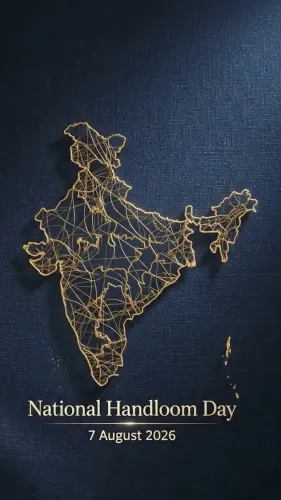
Union Textiles Minister Giriraj Singh posted on National Handloom Day, 7 August 2026 , calling youth engagement in handloom the government's highest priority.
National Handloom Day has been observed every 7 August since 2015 , commemorating the Swadeshi movement.
The government is promoting Geographical Indication (GI)-tagged handloom products to help weavers command better market prices.
GI protection under the GI Act 1999 legally distinguishes authentic handwoven products — such as Banarasi silk and Kanjeevaram sarees — from machine-made imitations.
The policy targets both economic returns for existing weavers and attracting younger artisans to prevent a generational skills gap.
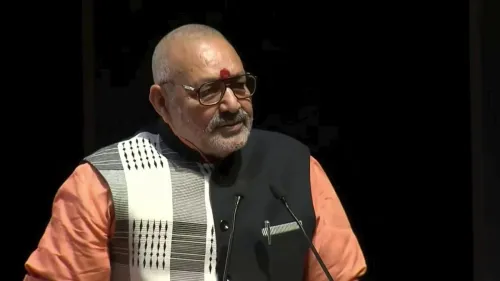
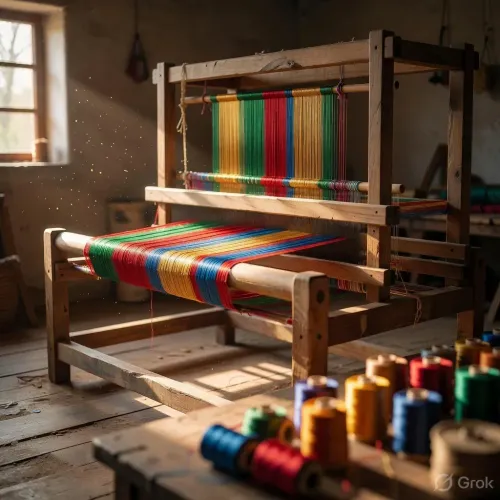
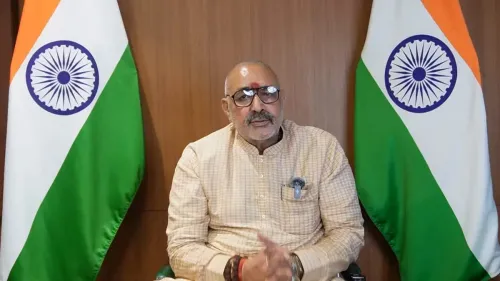
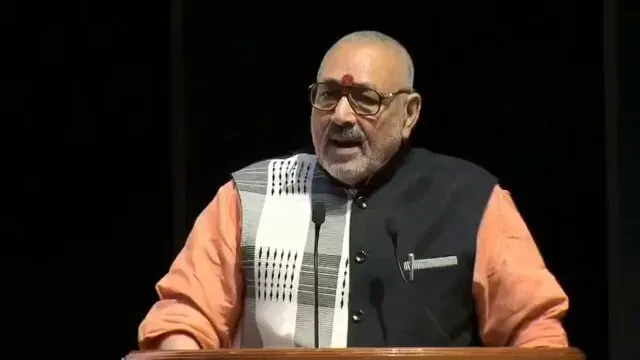
On National Handloom Day, 7 August 2026, Union Textiles Minister Giriraj Singh put the next generation of India's weavers at the centre of the national conversation — framing the handloom sector not as a relic to be preserved, but as a living tradition that must earn its future.
Posting in Hindi on the occasion, Singh wrote: 'Connecting the new generation of India's weavers to this glorious tradition is our highest priority. Under the leadership of Prime Minister Narendra Modi, GI products and distinctive handloom products are being promoted so that weavers get better prices and young people's interest in this sector grows.'
Why National Handloom Day carries this particular weight
National Handloom Day has been observed every 7 August since 2015, when the Ministry of Textiles instituted it to mark the anniversary of the Swadeshi movement — a date chosen deliberately to anchor the handloom sector in the story of India's self-reliance. The sector employs millions of artisans across the country, making it one of the largest sources of rural livelihood after agriculture. The challenge has always been the same: how do you keep a craft alive when machine-made imitations undercut handwoven cloth on price at every market?GI tags as a market weapon for weavers
The government's answer, sharpened under the current administration, has been Geographical Indication (GI) registration under the Geographical Indications of Goods (Registration and Protection) Act, 1999. A GI tag does something a subsidy alone cannot: it legally separates an authentic Banarasi silk or Kanjeevaram saree from a power-loom copy, giving the weaver a defensible premium in the market. Singh's post explicitly ties GI promotion to 'better prices for weavers' — a direct acknowledgement that heritage alone does not pay a loom.The generational problem behind the policy push
The deeper anxiety in Singh's message is demographic. Across India's handloom clusters, younger family members have been drifting toward factory work and urban employment, leaving an ageing weaver population with no one to pass the craft to. By pairing GI-backed market premiums with a cultural appeal to youth, the ministry is attempting a twin fix — make the sector economically attractive enough that staying is a rational choice, not just a sentimental one. On National Handloom Day, the minister's message lands as both a policy signal and a generational call: India's woven heritage will only survive if the next weaver at the loom sees a future worth choosing.Point of View
However, will be whether GI premiums translate into measurable income gains for weavers at the cluster level — a data point the government has yet to put firmly on the record.
NationPress
22 Sept 2026
Frequently Asked Questions
What is National Handloom Day and when is it celebrated?
National Handloom Day is observed every year on 7 August to honour India's handloom weavers and promote the sector. It was instituted in 2015 by the Ministry of Textiles to mark the anniversary of the Swadeshi movement.
What did Textiles Minister Giriraj Singh say on National Handloom Day 2026?
Singh stated that connecting India's new generation of weavers to the handloom tradition is the government's highest priority, and highlighted GI-tag promotion under PM Modi as a tool to give weavers better prices and attract youth to the sector.
What is a GI tag and how does it help handloom weavers?
A Geographical Indication (GI) tag, provided under the GI Act 1999 , legally identifies products originating from a specific region — such as Banarasi silk or Kanjeevaram sarees — protecting them from imitation and allowing authentic weavers to charge a market premium.
Why is the government focused on attracting youth to handloom weaving?
Younger generations in handloom clusters have increasingly moved toward factory or urban employment, creating a demographic gap. The government hopes that GI-backed price premiums will make staying in the craft an economically rational choice for young artisans.
What is the Swadeshi movement's connection to National Handloom Day?
National Handloom Day falls on 7 August to commemorate the launch of the Swadeshi movement in 1905 , which called for the use of Indian-made goods including handloom cloth as an act of national self-reliance.