Giriraj Singh honours 22 weavers on National Handloom Day 2026
Synopsis
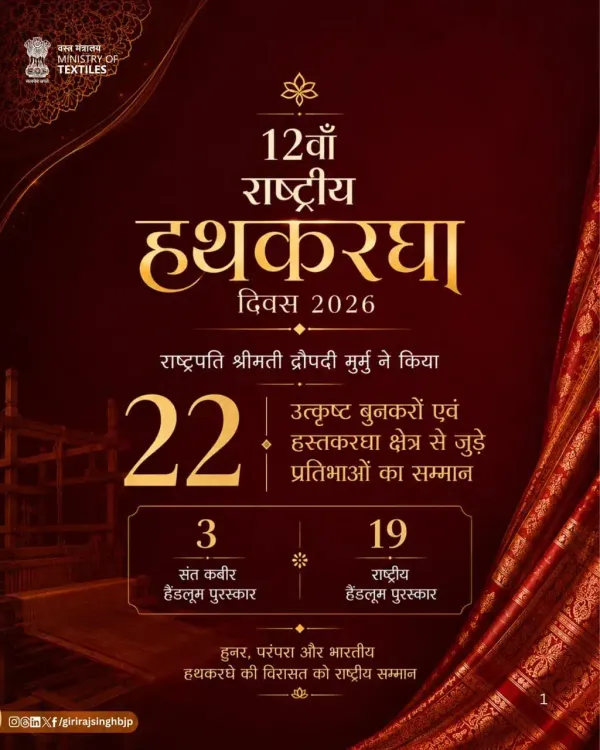
On National Handloom Day 2026, Union Textiles Minister Giriraj Singh congratulated 22 weavers honoured with the Sant Kabir Handloom Award and National Handloom Award 2025, saluting their skill and dedication in preserving India's handloom heritage.
Key Takeaways
22 weavers were recognised with the Sant Kabir Handloom Award and National Handloom Award 2025 on National Handloom Day, 8 August 2026 .
Union Textiles Minister Giriraj Singh publicly congratulated all awardees via X, calling the honour a celebration of their skill, dedication, and creativity.
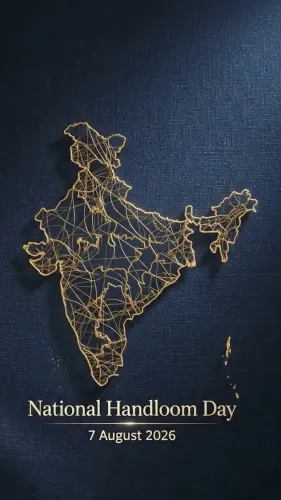
National Handloom Day is observed on 7 August each year to mark the anniversary of the Swadeshi Movement launched on 7 August 1905 .
The observance was instituted in 2015 and has since anchored annual government recognition of handloom artisans.
The Sant Kabir Handloom Award is named after the fifteenth-century weaver-saint and recognises outstanding craftsmanship and innovation in the sector.
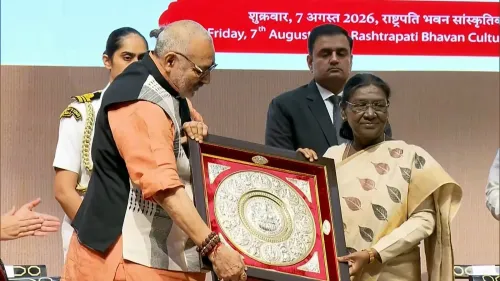
Twenty-two weavers earned India's highest handloom honours on National Handloom Day, 8 August 2026 — and Union Textiles Minister Giriraj Singh made sure the country noticed.
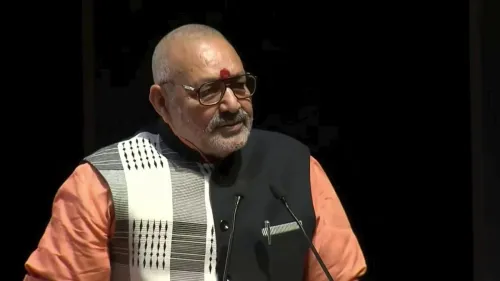
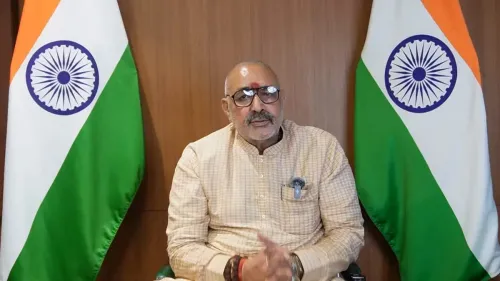
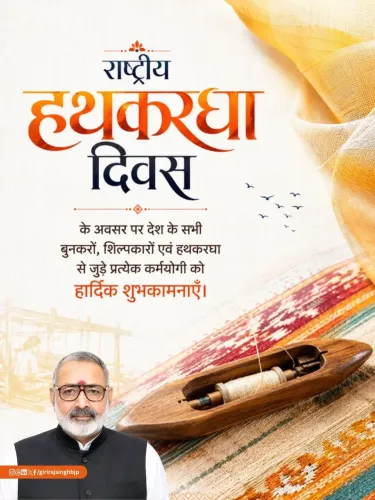
Posting on X in Hindi, Singh extended congratulations to all 22 weavers recognised with the Sant Kabir Handloom Award and the National Handloom Award 2025, calling the honour a celebration of their 'skill, dedication, and creativity' in preserving India's rich handloom tradition and inspiring future generations.
A day rooted in the Swadeshi spirit
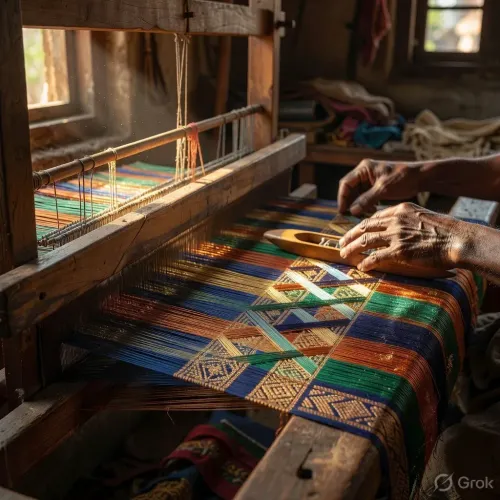
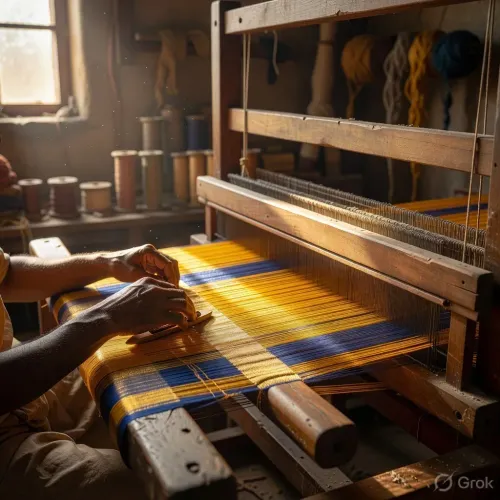
National Handloom Day is observed every year on 7 August — the date chosen to mark the centenary of the launch of the Swadeshi Movement on 7 August 1905, when the call to champion Indian-made goods first swept the country. The observance was instituted in 2015, and since then successive governments have used it as an anchor for recognising artisans who keep the loom alive. The two awards at the centre of this year's ceremony carry distinct weight. The Sant Kabir Handloom Award — named after the fifteenth-century weaver-saint whose verses still echo in India's textile heartland — recognises outstanding craftsmanship and innovation. The National Handloom Award honours broader excellence across the sector. Together, they form the government's most visible annual salute to the men and women behind the handwoven cloth.Why the loom still matters
Handloom is not a relic. It is one of India's largest rural employment generators, sustaining millions of households — many of them in states like Uttar Pradesh, West Bengal, Andhra Pradesh, Assam, and Tamil Nadu — where the craft passes from parent to child with the warp and weft. The annual awards cycle is designed to do two things at once: give individual artisans public recognition and signal to the broader sector that the state sees the work. For Singh, who holds the textiles portfolio and represents Begusarai, Bihar, the post lands in a constituency context too — Bihar has a living handloom tradition of its own, and the minister's public acknowledgement of weavers on the national stage carries both policy and political resonance. Twenty-two artisans, one ceremony, a tradition that stretches back more than a century. The loom endures.Point of View
High-visibility instrument the textiles ministry uses to signal sustained state patronage for a sector that employs millions in rural India. Singh's public post keeps the ministry's handloom narrative active in the political conversation ahead of any scheme rollouts. The choice to invoke Sant Kabir — a weaver-saint with cross-caste, cross-community resonance — also reflects a deliberate cultural framing that successive governments have leaned on to give handloom policy a civilisational weight beyond economics. Whether the recognition translates into structural support — credit access, market linkages, design upgradation — remains the harder, less visible question.
NationPress
22 Sept 2026
Frequently Asked Questions
When is National Handloom Day celebrated in India?
National Handloom Day is observed every year on 7 August to commemorate the launch of the Swadeshi Movement on 7 August 1905. It was instituted in 2015.
What is the Sant Kabir Handloom Award?
The Sant Kabir Handloom Award is a national government award conferred on handloom weavers for outstanding craftsmanship and innovation. It is named after the fifteenth-century weaver-saint Kabir.
How many weavers were awarded on National Handloom Day 2026?
A total of 22 weavers were honoured with the Sant Kabir Handloom Award and the National Handloom Award 2025 on National Handloom Day 2026.
Who is Giriraj Singh and what is his role in handloom policy?
Giriraj Singh is the Union Minister of Textiles, a senior BJP leader, and Lok Sabha MP from Begusarai, Bihar. As textiles minister, he oversees policy and recognition programmes for India's handloom sector.
What is the difference between the Sant Kabir Handloom Award and the National Handloom Award?
The Sant Kabir Handloom Award recognises outstanding craftsmanship and innovation in handloom weaving, while the National Handloom Award honours broader excellence across the handloom sector. Both are annual central government awards.