Giriraj Singh Marks National Handloom Day, Honours Weaver Heritage
Synopsis
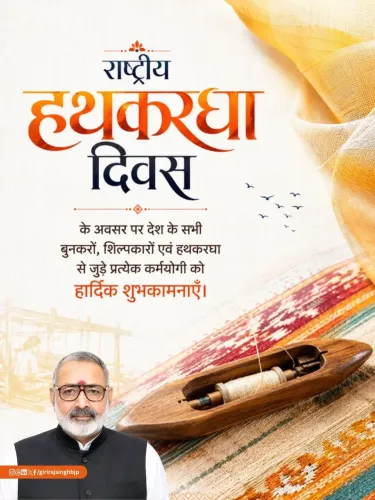
On National Handloom Day, 7 August 2026, Union Textiles Minister Giriraj Singh invoked the Swadeshi movement's legacy, crediting PM Modi for establishing the annual observance and calling handloom empowerment central to the Viksit Bharat vision.
Key Takeaways
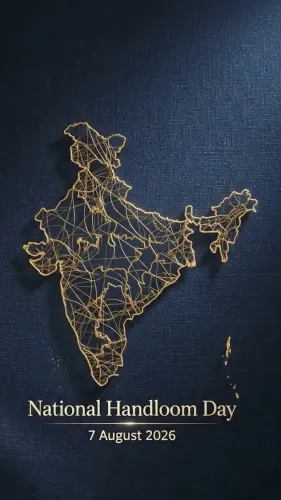
7 August is observed as National Handloom Day , established by the Ministry of Textiles in 2015 to commemorate the 1905 Swadeshi movement .
Union Textiles Minister Giriraj Singh posted on 7 August 2026 reaffirming the government's commitment to India's weaving communities.
Singh credited PM Narendra Modi with institutionalising the observance and giving fresh recognition to handloom heritage.
The post links handloom promotion to the Vocal for Local campaign and the broader Atmanirbhar Bharat self-reliance agenda.
India's handloom sector is one of the largest rural employers, with significant participation by women artisans across multiple states.
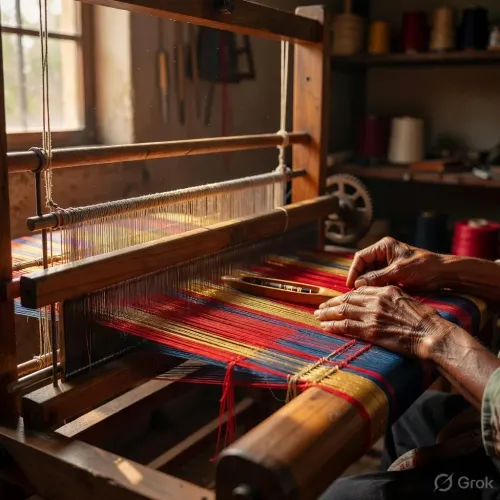
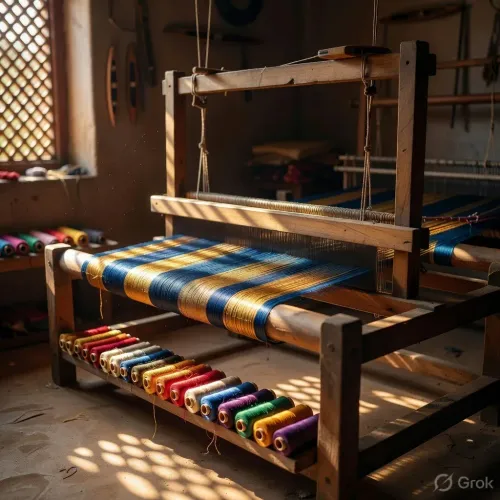
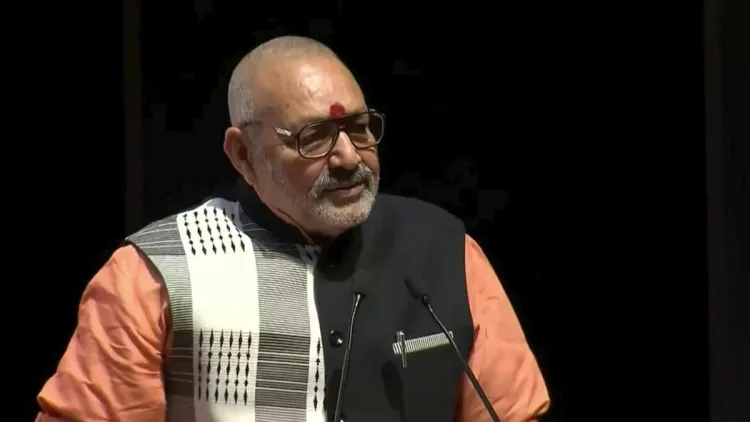
Every year on 7 August, India pauses to honour the hands that built its textile soul — and this year, Union Textiles Minister Giriraj Singh used the occasion of National Handloom Day to reaffirm the government's commitment to the country's weaving communities and the enduring spirit of Swadeshi.
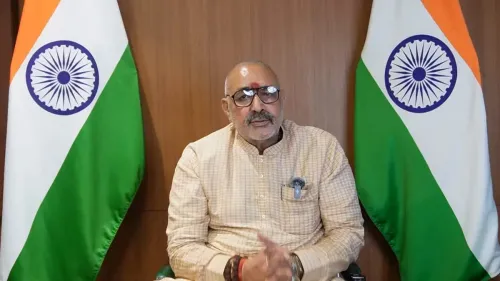
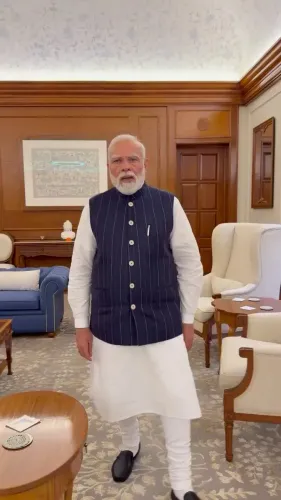
Posting on 7 August 2026, Singh wrote in Hindi: 'स्वदेशी आंदोलन की भावना को नई ऊर्जा देते हुए' — 'Infusing new energy into the spirit of the Swadeshi movement' — crediting Prime Minister Narendra Modi with establishing the day as a national observance and giving fresh dignity to India's rich handloom heritage. 'Handloom is the pride of our heritage,' he wrote. 'Empowering it is the means to honour our weavers, strengthen the Swadeshi spirit, and fulfil the resolve of a Viksit Bharat — a developed India.'
A Day Born from a Century-Old Movement
The date is not arbitrary. 7 August 1905 marks the launch of the Swadeshi movement, when Indians, in protest against the British partition of Bengal, pledged to buy indigenous goods and boycott foreign imports. The handloom became the movement's most visible symbol — a tool of economic resistance and cultural assertion rolled into one. When the Ministry of Textiles declared 7 August as National Handloom Day in 2015, it was a deliberate act of historical memory, tying a modern policy priority to a 110-year-old act of defiance.Weavers at the Centre of 'Vocal for Local'
Singh's post carries the hashtags #NationalHandloomDay and #VocalForLocal — the government's campaign to channel consumer preference toward Indian-made goods, a cornerstone of the Atmanirbhar Bharat self-reliance push. For India's handloom weavers — a community spread across states like West Bengal, Assam, Andhra Pradesh, Varanasi, and the Northeast — that campaign is not an abstraction. It is the difference between a sustainable livelihood and being undercut by power-loom alternatives. The annual observance keeps political and bureaucratic attention trained on a sector that is deeply rural, largely informal, and disproportionately dependent on women artisans. For the minister who holds the textiles portfolio, the day is both a ceremonial moment and a policy signal — a reminder that heritage sectors are not museum pieces but active contributors to the Viksit Bharat vision. India's handloom sector remains one of the largest employers in rural India, and every August, the spotlight returns — the question is whether the attention translates into lasting weaver welfare, or fades with the hashtag.Point of View
Informal, and electorally significant. The Vocal for Local framing also signals that handloom promotion is now embedded in a broader consumer-nationalism narrative, not treated as a standalone welfare measure. Whether that narrative converts into measurable weaver income gains remains the sector's central unanswered question.
NationPress
21 Sept 2026
Frequently Asked Questions
Why is National Handloom Day celebrated on 7 August?
7 August marks the launch of the Swadeshi movement in 1905 , when Indians pledged to use indigenous goods in protest against the British partition of Bengal. The Ministry of Textiles declared 7 August as National Handloom Day in 2015 to honour that legacy.
Who established National Handloom Day in India?
The Ministry of Textiles established National Handloom Day in 2015 under Prime Minister Narendra Modi's government, with the date chosen to coincide with the anniversary of the 1905 Swadeshi movement.
What did Giriraj Singh say on National Handloom Day 2026?
Union Textiles Minister Giriraj Singh said that empowering the handloom sector is a means to honour weavers, strengthen the Swadeshi spirit, and fulfil the resolve of a developed India, crediting PM Modi for establishing the national observance.
What is the Vocal for Local campaign?
Vocal for Local is a government campaign promoting Indian-made products as part of the Atmanirbhar Bharat self-reliance initiative, encouraging consumers to prefer indigenous goods including handloom textiles.
What is the significance of handloom for India's rural economy?
India's handloom sector is one of the largest rural employers in the country, supporting textile artisans — a majority of them women — across states such as West Bengal, Assam, Andhra Pradesh , and the Northeast .