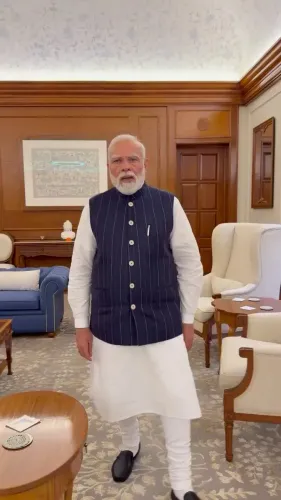
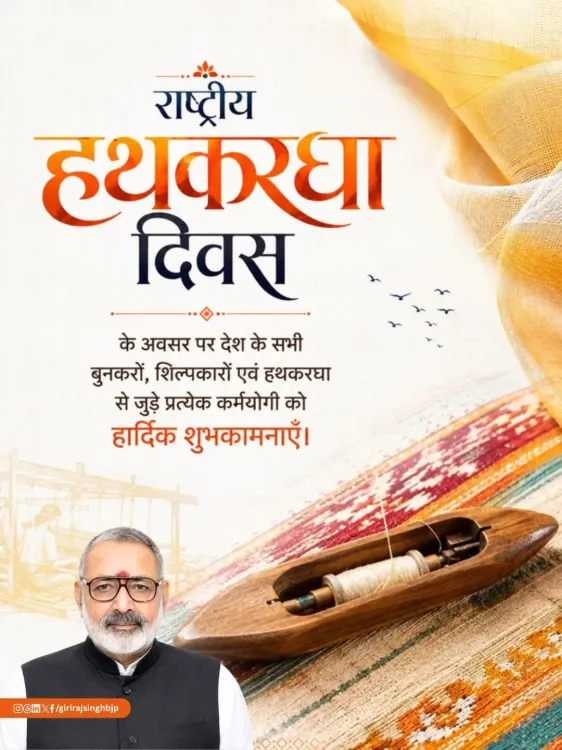
Giriraj Singh greets weavers on National Handloom Day
Synopsis
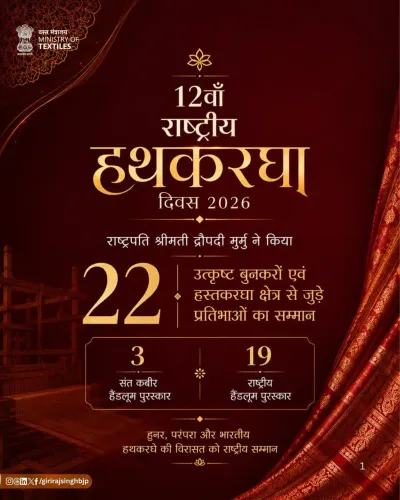
Union Textiles Minister Giriraj Singh marked the 12th National Handloom Day on 7 August 2026 by honouring India's weavers and artisans, calling their craft the nation's heritage and urging citizens to choose swadeshi products.
Key Takeaways
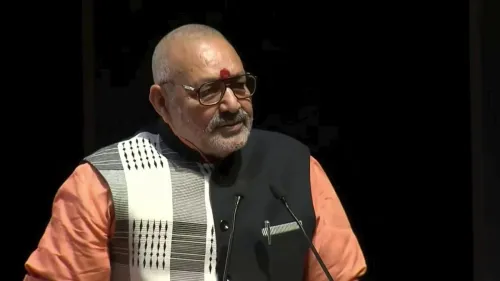
Giriraj Singh , Union Minister of Textiles, posted greetings to weavers and artisans on National Handloom Day, 7 August 2026 .
This is the 12th edition of National Handloom Day, as stated in the minister's post.
The day was instituted in 2015 by the Ministry of Textiles, anchored to the anniversary of the Swadeshi Movement of 1905 .
Singh called weavers' labour and skill 'our heritage' and urged Indians to adopt indigenous products to empower artisans.
The handloom sector supports millions of weavers across states including West Bengal, Assam, Andhra Pradesh, Uttar Pradesh , and Tamil Nadu .
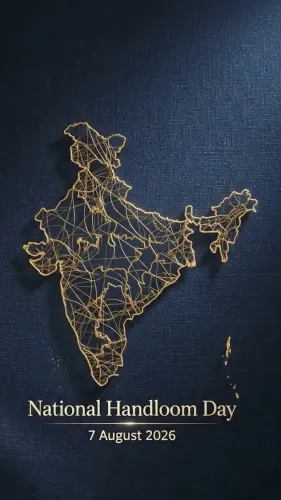
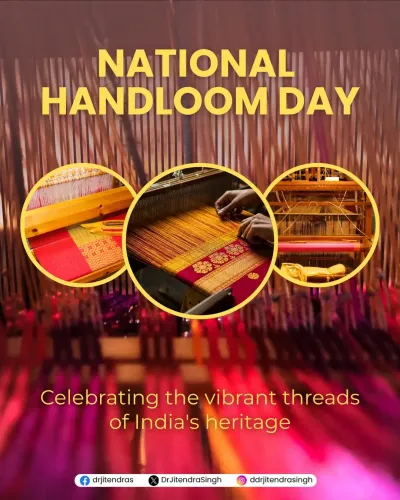
On a day that traces its roots to one of India's most defining acts of self-assertion, Union Textiles Minister Giriraj Singh on Friday, 7 August 2026 extended greetings to the country's weavers and artisans on the occasion of National Handloom Day — calling their craft the nation's living heritage and urging citizens to embrace swadeshi products.
Posting in Hindi, Singh wrote: 'Aapki mehnat aur hunar hi hamari dharohar hai' — 'Your labour and skill are our heritage' — and called on Indians to empower artisans by choosing indigenous goods. The post carried the hashtags #NationalHandloomDay2026 and #NHD2026.
A date chosen for its symbolism
7 August was not picked at random. It marks the anniversary of the Swadeshi Movement of 1905, launched in Calcutta when leaders called for a boycott of British goods and a turn toward homegrown alternatives — with handloom cloth at the centre of that resistance. When the Ministry of Textiles instituted National Handloom Day in 2015, it deliberately anchored the observance to that date, threading economic nationalism and cultural pride into a single annual moment.
This year marks the 12th edition of the observance, as noted in the minister's post. The day has since become the government's primary platform to spotlight the handloom workforce — a sector that supports millions of weavers across states such as West Bengal, Assam, Andhra Pradesh, Uttar Pradesh, and Tamil Nadu.
The swadeshi thread running through textile policy
Singh's message is part of a consistent pattern of government communication around handloom: cultural symbolism braided with an economic ask. The appeal to 'adopt indigenous products' echoes the broader swadeshi emphasis that has shaped textile-sector messaging for over a decade — encouraging domestic consumption as a direct act of support for artisan livelihoods.
As the minister responsible for the sector, Singh's portfolio covers handloom welfare, weaver credit schemes, and promotion of traditional textiles. National Handloom Day typically serves as a focal point for announcements on weaver-support programmes, though no specific scheme update had been confirmed at the time of posting.
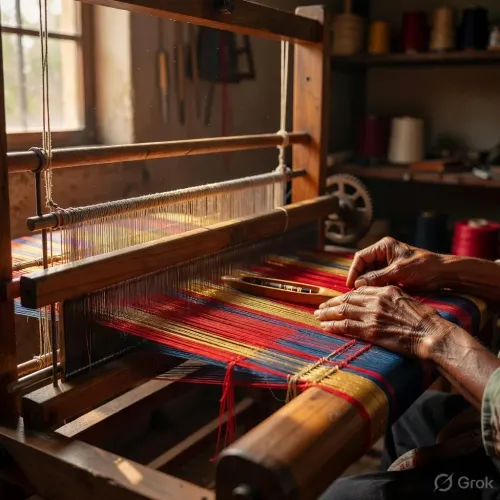
The craft these weavers carry forward — passed through generations, embedded in regional identity — is precisely what the day is designed to make visible. One minister's post is a small gesture; the weavers behind it are a workforce that keeps an ancient industry alive, thread by thread.
Point of View
Frame artisan labour as national heritage, and make the citizen's purchasing choice feel like a patriotic act. For the BJP, this alignment of textile policy with swadeshi symbolism is not incidental — it connects a vote-sensitive artisan constituency to a broader ideological narrative. What will matter beyond the messaging is whether the observance is followed by concrete welfare announcements for a sector that, despite ceremonial attention, continues to face structural challenges.
NationPress
21 Sept 2026
Frequently Asked Questions
When is National Handloom Day celebrated in India?
National Handloom Day is observed every year on 7 August . The date commemorates the launch of the Swadeshi Movement in 1905, when Indian leaders called for a boycott of foreign goods and promoted homegrown alternatives, with handloom cloth as a central symbol.
Why was National Handloom Day started?
The Ministry of Textiles instituted National Handloom Day in 2015 to revive and promote India's handloom sector, honour weavers and artisans, and encourage domestic consumption of indigenous textile products.
What did Giriraj Singh say on National Handloom Day 2026?
Union Textiles Minister Giriraj Singh greeted the country's weavers and artisans, calling their labour and skill 'our heritage.' He urged citizens to adopt swadeshi products as a way to empower artisan communities.
Which states have the most handloom weavers in India?
The handloom sector is spread across several states, with significant weaver populations in West Bengal, Assam, Andhra Pradesh, Uttar Pradesh , and Tamil Nadu , each known for distinct traditional weaving styles.
What is the connection between National Handloom Day and the Swadeshi Movement?
National Handloom Day falls on 7 August to mark the anniversary of the Swadeshi Movement of 1905 , a campaign that placed handloom cloth at the heart of India's push for self-reliance and resistance to foreign goods.