Gujarat CM Office: AMRUT 2.0 delivers 497 projects worth ₹4832 cr
Synopsis
Gujarat has completed 497 development works under AMRUT 2.0 worth ₹4,832 crore, adding over 2.72 lakh tap connections, 1.03 lakh sewer connections, rejuvenating 78 lakes and developing 87 parks, with women's self-help groups integrated through the Amrut Mitra and Women for Tree initiatives.
Key Takeaways
497 projects worth ₹4,832 crore completed under AMRUT 2.0 in Gujarat as announced by the CMO on 5 November 2026 .
Over 2.72 lakh new tap connections and 1.03 lakh sewer connections extended to urban residents across the state.
78 lakes rejuvenated and 87 parks and gardens developed as part of urban greening under the mission.
Amrut Mitra and Women for Tree initiatives linked women's self-help groups to urban infrastructure delivery and livelihood creation.
AMRUT 2.0 was approved by the Union Cabinet in October 2021 with a national outlay of ₹2.77 lakh crore ; the original AMRUT mission launched in June 2015 .
Gujarat frames its performance as a replicable urban transformation model for other Indian states.
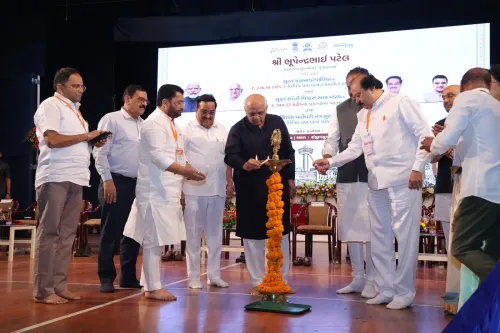
Nearly half a trillion rupees of urban infrastructure, 497 projects, and over 2.72 lakh new water connections later — Gujarat is making a loud case that it has cracked the code on urban transformation. The Chief Minister's Office of Gujarat announced on 5 November 2026 that the state has completed all 497 development works under AMRUT 2.0, valued at ₹4,832 crore, positioning Gujarat as a replicable model for city-building across India.
What AMRUT 2.0 delivered on the ground in Gujarat
The numbers from the state announcement are striking in their specificity. Beyond the headline project count, Gujarat reports 2.72 lakh-plus new tap connections and 1.03 lakh-plus sewer connections added to urban households — translating directly into first-time piped water and sanitation access for lakhs of city residents. That is the kind of last-mile delivery that urban missions have historically struggled to clock.
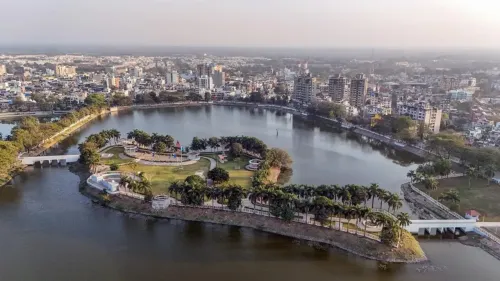
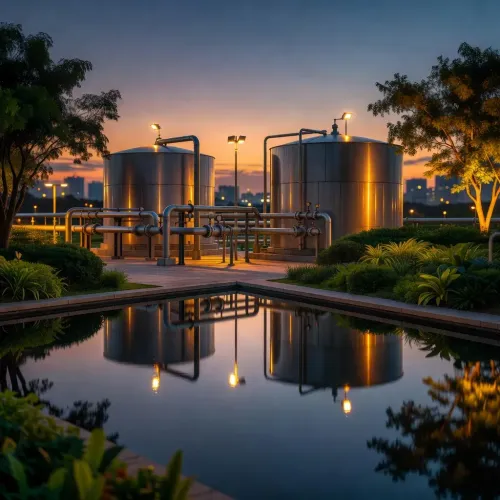
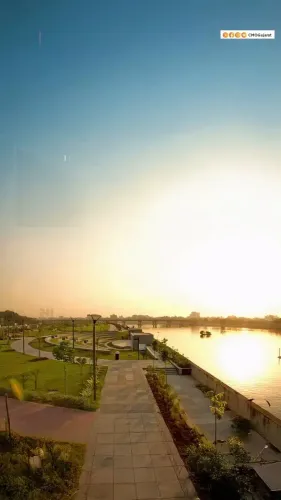
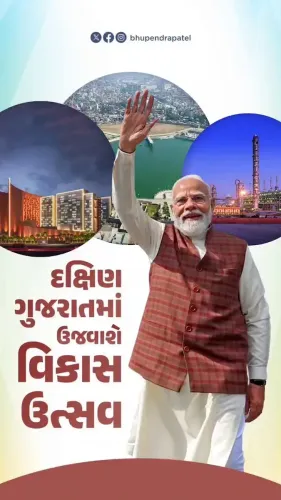
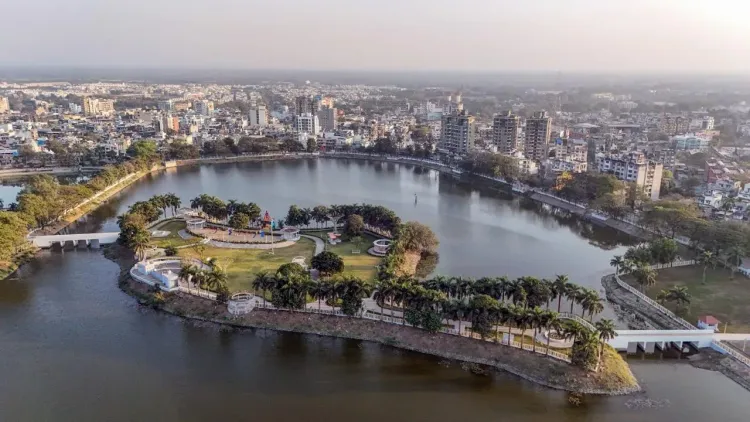
The environmental footprint of the programme adds another dimension: 78 lakes have been rejuvenated and 87 parks and gardens developed across Gujarat's cities, weaving green and blue infrastructure into what had been purely utility-driven urban renewal. The CMO's post, in Gujarati, calls this 'writing a new chapter in urban development' — sheheri vikas ni navi gatha — under the direction of Chief Minister Bhupendra Patel.
Amrut Mitra and Women for Tree: when pipes meet livelihoods
Perhaps the sharpest signal in the announcement is what sits alongside the pipes and parks: two community-facing initiatives. Amrut Mitra enlists local participation to support project implementation, while Women for Tree channels women's self-help groups into urban greening work, creating livelihood opportunities in the process. It is a deliberate integration of social and environmental goals into what could have been a purely civil-engineering exercise.
The dual track — hard infrastructure plus community empowerment — reflects a wider design philosophy visible in AMRUT 2.0 nationally. The Union Cabinet approved the second phase in October 2021 with a total outlay of ₹2.77 lakh crore, centering it on universal water supply and wastewater management while encouraging states to fold in sustainability and livelihood components.
Gujarat's urban template and the national scorecard
The original AMRUT mission was launched in June 2015 under Prime Minister Narendra Modi to close gaps in water supply and sewerage across India's cities and towns. Gujarat has consistently surfaced as a high-performer under central urban schemes — Smart Cities, Swachh Bharat and now AMRUT — and the CMO's framing today is deliberate: the state is not just meeting targets, it is 'establishing a unique model of urban transformation for the entire country.'
The Ministry of Housing and Urban Affairs periodically releases state-wise rankings and urban performance indices — Gujarat's next benchmark will be whether this self-reported completion translates into top-tier federal assessments and whether the water and sewer connections claimed hold up under third-party verification.
Cities don't transform on announcements alone. But half a lakh sewer connections and 78 revived lakes are a lot harder to dispute than a press release — and that is precisely the kind of concrete, auditable output that separates governance theatre from the real thing.
Point of View
Not just engineering ones. The real test will come from independent assessments: whether the connection figures translate into sustained 24/7 service and whether lake rejuvenations hold ecological value. If they do, Gujarat's urban template becomes genuinely exportable; if they do not, the announcement risks being remembered as a headline rather than a milestone.
NationPress
5 Nov 2026
Frequently Asked Questions
What is AMRUT 2.0 and what are its goals?
AMRUT 2.0, approved by the Union Cabinet in October 2021 with an outlay of ₹2.77 lakh crore, is a central government scheme aimed at achieving universal water supply and wastewater management in Indian cities, while also incorporating sustainability, lake rejuvenation, and livelihood components.
How many AMRUT 2.0 projects has Gujarat completed?
Gujarat has completed 497 development projects under AMRUT 2.0, valued at ₹4,832 crore, as announced by the Chief Minister's Office on 5 November 2026.
How many water and sewer connections were added in Gujarat under AMRUT 2.0?
Gujarat added over 2.72 lakh new tap connections and over 1.03 lakh new sewer connections to urban households under the AMRUT 2.0 scheme.
What is the Women for Tree initiative in Gujarat?
Women for Tree is an initiative under Gujarat's AMRUT implementation that involves women's self-help groups in urban greening activities, providing them with new livelihood opportunities while advancing the state's Green Gujarat goal.
When was the original AMRUT mission launched in India?
The original AMRUT (Atal Mission for Rejuvenation and Urban Transformation) was launched in June 2015 by Prime Minister Narendra Modi's government to address urban infrastructure gaps in water supply and sewerage across Indian cities and towns.