Giriraj Singh attends Handloom Awards 2025 at Rashtrapati Bhavan
Synopsis
On National Handloom Day, Union Textiles Minister Giriraj Singh joined President Droupadi Murmu at Rashtrapati Bhavan Cultural Centre for the Sant Kabir and National Handloom Awards 2025, honouring weavers and reaffirming government commitment to preserving India's handloom heritage.
Key Takeaways
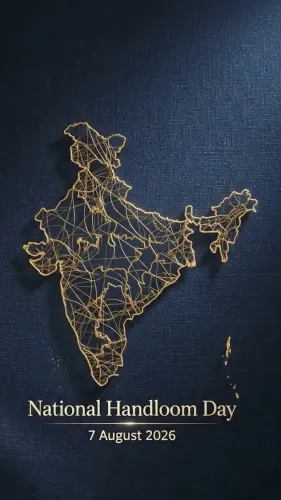
National Handloom Day is observed every 7 August , marking the anniversary of the Swadeshi Movement, and has been a national observance since 2015 .
President Droupadi Murmu presided over the Sant Kabir Handloom Awards and National Handloom Awards 2025 at Rashtrapati Bhavan Cultural Centre, New Delhi .
The Sant Kabir Handloom Awards are named after the weaver-saint poet and represent one of the most culturally significant recognitions in the handloom sector.
Union Textiles Minister Giriraj Singh addressed weavers and reiterated government commitment to heritage preservation, innovation, and weaver empowerment.
The handloom sector is a major rural employment generator, underpinning regional textile identities across India including GI-tagged weaves.
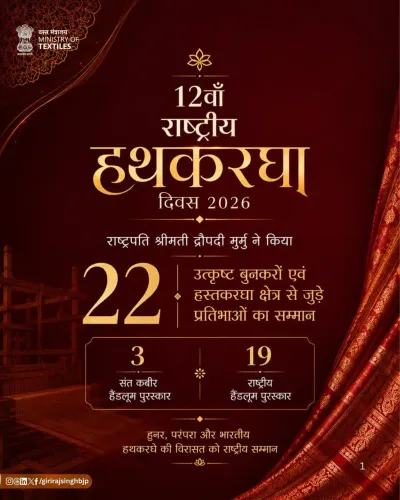
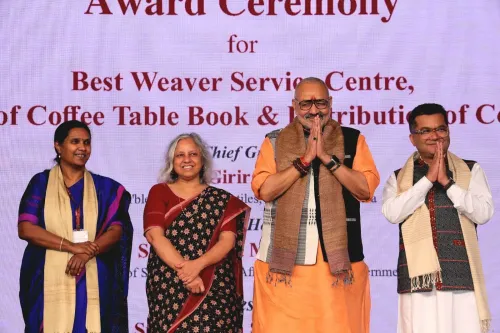
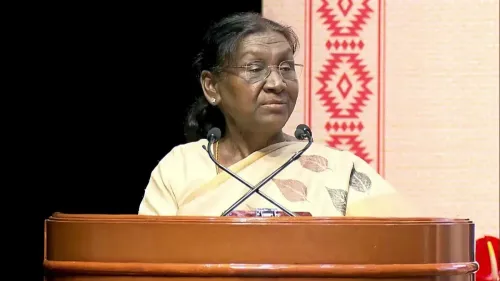
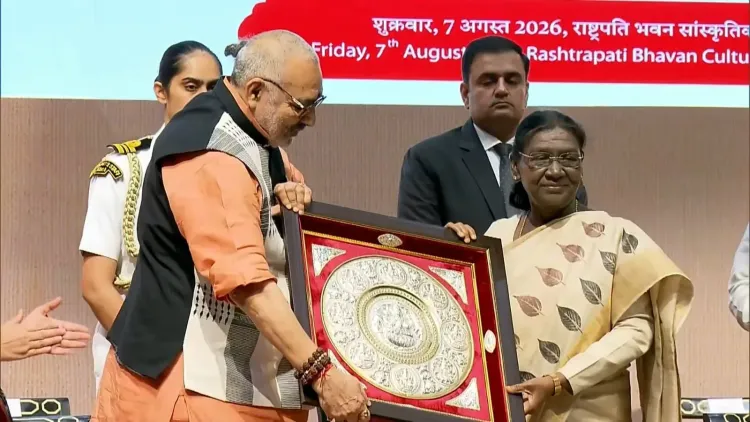
On National Handloom Day, 7 August 2026, the grandeur of Rashtrapati Bhavan Cultural Centre (RBCC) in New Delhi carried a quiet but powerful message: India's weavers belong at the centre of the national story. Union Textiles Minister Giriraj Singh attended the Sant Kabir Handloom Awards and National Handloom Awards 2025 ceremony, presided over by President Droupadi Murmu, honouring outstanding weavers from across the country for their contributions to India's handloom heritage.
President Murmu honours weavers at RBCC
President Droupadi Murmu personally conferred the awards on weavers recognised for excellence in handloom craftsmanship — a rare moment of the highest constitutional office spotlighting artisans who work largely in the margins of the formal economy. The Sant Kabir Handloom Awards, named after the weaver-saint and poet, carry particular cultural weight: they invoke a centuries-old tradition of craft as both livelihood and identity. The National Handloom Awards run alongside them as the government's broadest annual recognition of sectoral achievement.
What National Handloom Day represents
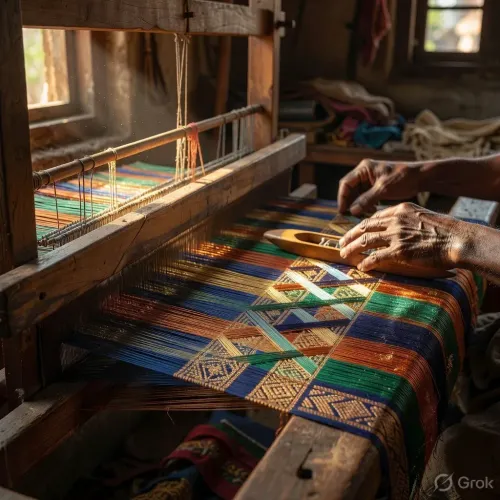
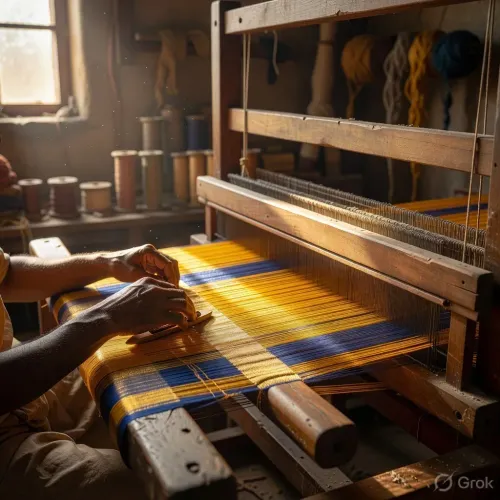
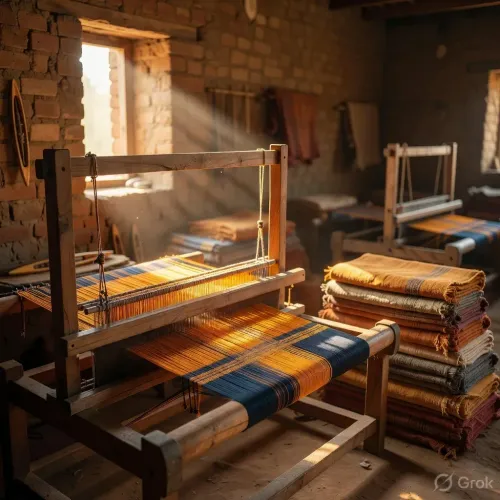
National Handloom Day has been observed every 7 August since 2015, the date chosen to mark the anniversary of the Swadeshi Movement — the moment in India's independence struggle when indigenous cloth became a political act. That lineage gives the day a resonance that goes beyond ceremony: it ties the handloom sector to the country's foundational economic self-reliance argument. The handloom industry remains one of India's largest rural employment generators, sustaining millions of weaver households and anchoring regional textile identities from Varanasi's Banarasi silk to Assam's Muga.
Singh's pledge on weaver empowerment
Addressing the assembled weavers, Minister Singh reiterated the government's commitment to three pillars: sanrakshan (preservation) of India's rich handloom heritage, promotion of navachaar (innovation), and the empowerment of weavers as economic agents — not just cultural custodians. The remarks signal that the ministry views the awards not as a one-day gesture but as part of a sustained policy posture that includes cluster development, GI-tagged weave promotion, and integration of handloom products into government procurement and export pipelines.
The next milestone to watch: budgetary allocations and any revised guidelines for the next cycle of Sant Kabir and National Handloom Awards — indicators of whether the ceremonial commitment translates into expanded programme funding. For India's weavers, the applause in RBCC matters; the budget line matters more.
Point of View
Aligning with the BJP government's broader 'vocal for local' and Atmanirbhar Bharat messaging. For Giriraj Singh, whose Textiles Ministry portfolio directly governs weaver welfare schemes, the event is an opportunity to demonstrate policy continuity and cultural stewardship ahead of any budget cycle scrutiny. The Sant Kabir framing is politically astute: it invokes a weaver-saint who transcended caste and religion, giving the awards a unifying cultural register. The real test, however, lies in whether scheme allocations and cluster development budgets keep pace with the ceremonial ambition.
NationPress
21 Sept 2026
Frequently Asked Questions
What is National Handloom Day and why is it celebrated on 7 August?
National Handloom Day is observed on 7 August every year since 2015 to mark the anniversary of the Swadeshi Movement of 1905, when Indians pledged to use indigenous goods. The day promotes India's handloom industry and the artisans who sustain it.
What are the Sant Kabir Handloom Awards?
The Sant Kabir Handloom Awards are national awards conferred by the Government of India on weavers for excellence in handloom craftsmanship. They are named after the 15th-century weaver-saint and poet Kabir, who is revered across communities.
Who presided over the National Handloom Awards 2025 ceremony?
President Droupadi Murmu presided over the Sant Kabir Handloom Awards and National Handloom Awards 2025 ceremony held at Rashtrapati Bhavan Cultural Centre in New Delhi on 7 August 2026 .
What did Textiles Minister Giriraj Singh say at the handloom awards?
Minister Giriraj Singh addressed weavers at the ceremony and reiterated the government's commitment to preserving India's handloom heritage, promoting innovation in the sector, and empowering weavers economically.
Where is the Rashtrapati Bhavan Cultural Centre?
The Rashtrapati Bhavan Cultural Centre (RBCC) is located within the Rashtrapati Bhavan complex in New Delhi and serves as a venue for official cultural events and ceremonies presided over by the President of India.