Giriraj Singh: Handloom Is India's Low-Carbon Future
Synopsis
On National Handloom Day 2026, Union Textiles Minister Giriraj Singh reframed India's handloom sector as the country's most potent low-carbon alternative, linking the ancient craft to global sustainability trends under his 'development alongside heritage' vision.
Key Takeaways
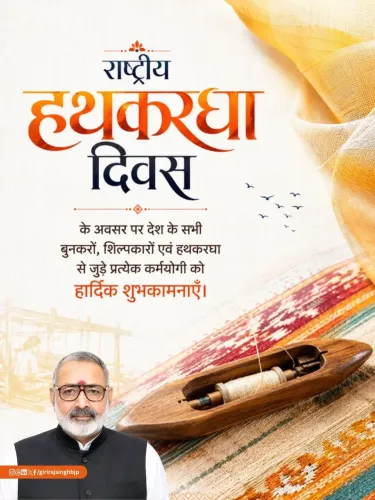
National Handloom Day is observed every 7 August since 2015 , marking the Swadeshi movement anniversary.
Union Textiles Minister Giriraj Singh called handloom 'the most powerful alternative for the future' amid global demand for low-carbon lifestyles.
The minister's framing connects India's craft heritage to international sustainability and green-economy discourse.
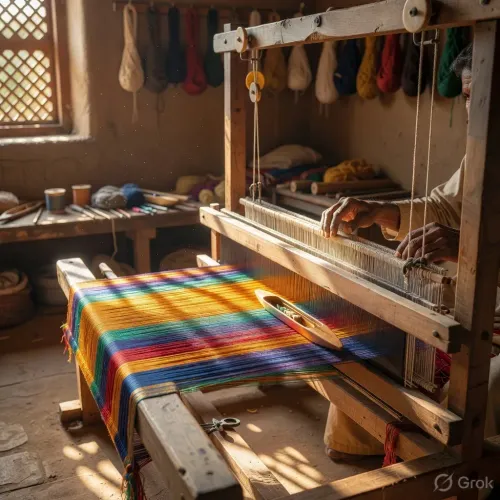
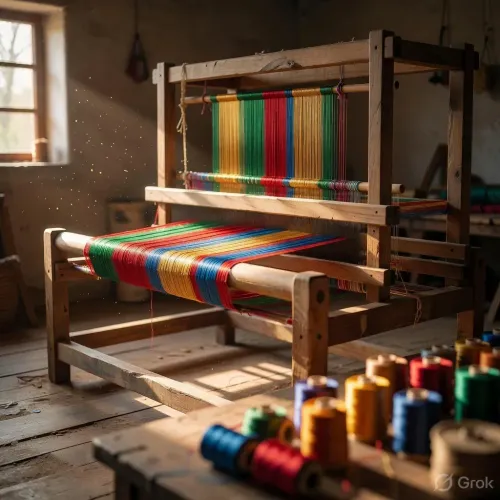
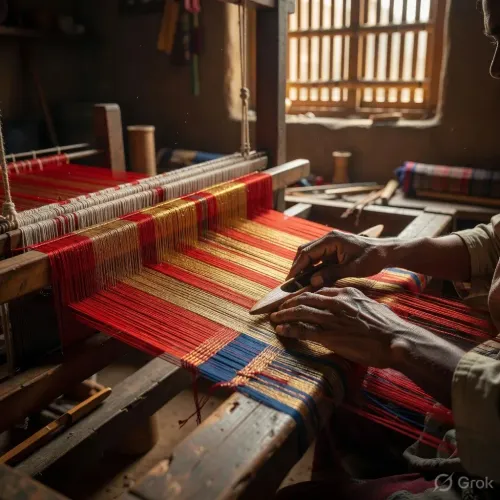
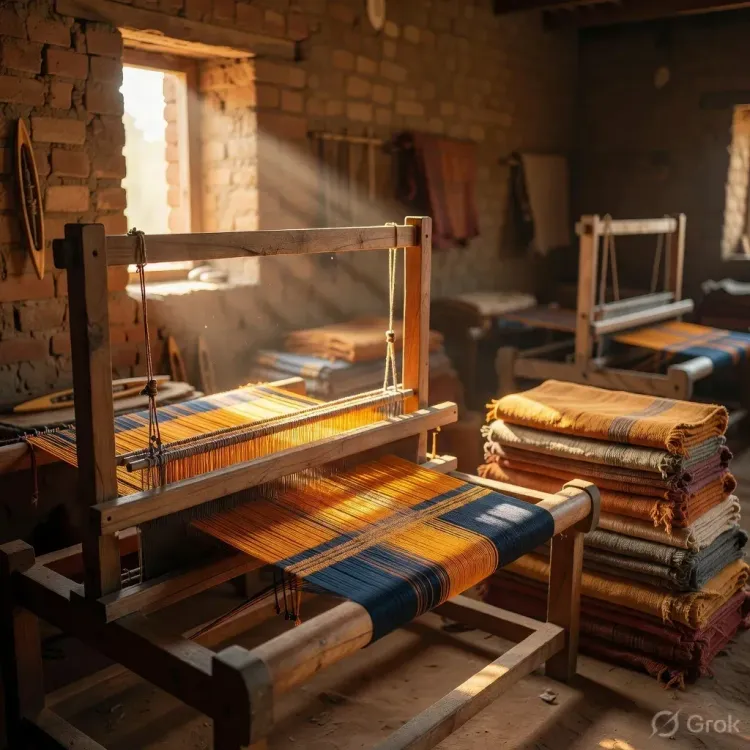
Handloom production requires no power looms, giving it a structurally lower carbon footprint than machine-made textiles.
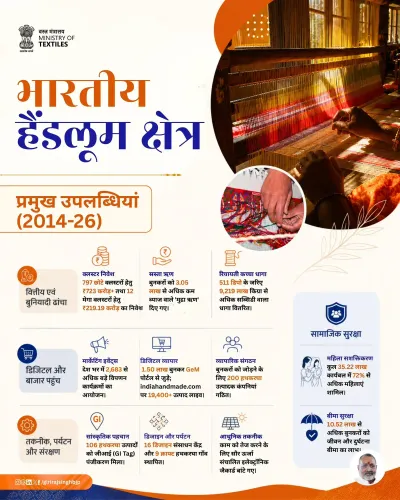
Millions of Indian weavers and artisans depend on the handloom sector for their livelihoods.
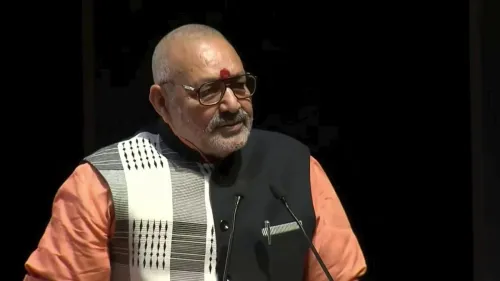
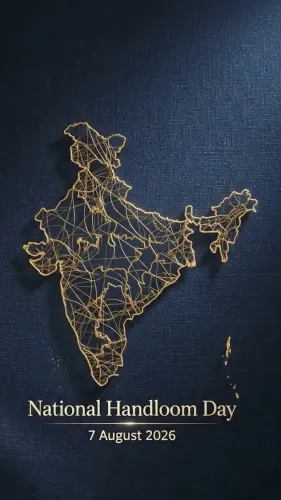
India's handloom tradition is no longer just a cultural keepsake — Union Textiles Minister Giriraj Singh is making the case that it is the country's most powerful answer to a world racing toward sustainable living. On National Handloom Day, 7 August 2026, Singh took to X to reframe the sector not as a relic of the past but as a blueprint for tomorrow.
Posting under the hashtag #VirasatKeSaathVikas — 'Development alongside heritage' — Singh wrote: 'This is not merely a resolution, but the direction of a new India. The world today is moving toward sustainable lifestyles and lower carbon footprints. In such times, India's handloom is not just our heritage, but is emerging as the most powerful alternative for the future.'
Why 7 August carries weight for weavers
National Handloom Day has been observed every 7 August since 2015, a date chosen to coincide with the anniversary of the Swadeshi movement, launched in Calcutta in 1905 as a call to champion indigenous industry over colonial imports. The alignment is deliberate: handloom sits at the intersection of economic self-reliance and cultural pride, values the current government has consistently invoked. Millions of weavers — among the largest artisan communities in India — depend on the sector for their livelihoods.The sustainability pitch and where it lands globally
Singh's framing is strategically timed. As international markets tighten environmental standards and consumers in Europe and North America increasingly demand low-impact textiles, Indian handloom — woven without power looms, with minimal energy input — holds a genuine competitive edge. The minister is essentially arguing that what once needed protection on cultural grounds now has a hard commercial case: a handwoven saree or dhurrie carries a carbon footprint that machine-made synthetic fabric simply cannot match. Successive governments have backed handloom through schemes promoting traditional crafts and export linkages, but Singh's post signals an intent to sharpen the sector's identity around sustainability — a language that resonates in trade negotiations and green-economy discourse alike. If that pitch translates into concrete export targets or fresh incentives in the textiles policy, India's weavers could find themselves at the centre of a global conversation they have never been invited to before.Point of View
The Textiles Ministry is attempting to build a trade and policy case that can survive beyond cultural sentiment. The move aligns with India's broader push to leverage traditional industries in green-economy frameworks, a narrative that could unlock export markets in Europe where carbon-labelling of textiles is gaining regulatory traction. Whether the rhetoric translates into measurable policy — export targets, weaver income benchmarks, sustainability certification — will determine if this is a strategic shift or a well-timed observance post.
NationPress
22 Sept 2026
Frequently Asked Questions
What is National Handloom Day and why is it on 7 August?
National Handloom Day is observed every 7 August since 2015 to honour India's handloom weavers and promote the sector. The date marks the anniversary of the Swadeshi movement launched in Calcutta in 1905 , which called on Indians to support indigenous industry.
What did Giriraj Singh say on National Handloom Day 2026?
Union Textiles Minister Giriraj Singh said that India's handloom is 'not just our heritage, but is emerging as the most powerful alternative for the future,' linking it to global demand for sustainable lifestyles and lower carbon footprints.
Why is Indian handloom considered sustainable or low-carbon?
Handloom weaving does not use power looms or heavy industrial machinery, meaning its energy consumption and carbon footprint are significantly lower than machine-made or synthetic textiles — an advantage as global markets tighten environmental standards.
What is the meaning of 'Viraat ke Saath Vikas' or 'Viraasat ke Saath Vikas'?
Virasaat ke Saath Vikas translates to 'Development alongside heritage.' It is a phrase used by the current government to describe a policy philosophy that pursues economic growth without discarding India's cultural and traditional identity.
Who oversees handloom policy in India?
The Ministry of Textiles , currently headed by Union Minister Giriraj Singh , oversees handloom policy, including promotion schemes, weaver welfare programmes, and export linkages for traditional crafts.