Giriraj Singh Honours Weavers on National Handloom Day
Synopsis
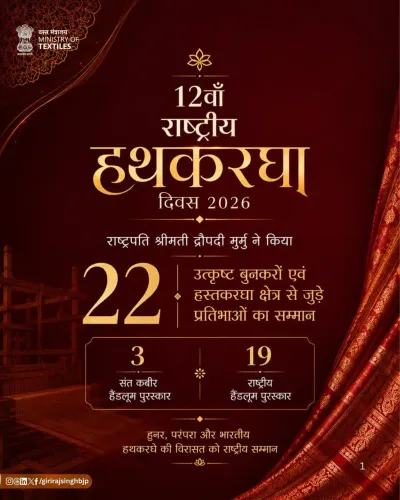
Union Textiles Minister Giriraj Singh marked National Handloom Day on 10 August 2026 by honouring the Shreshth Bunakar Seva Kendra, releasing a coffee table book, and distributing certificates to weavers, reaffirming the government's commitment to India's handloom heritage.
Key Takeaways
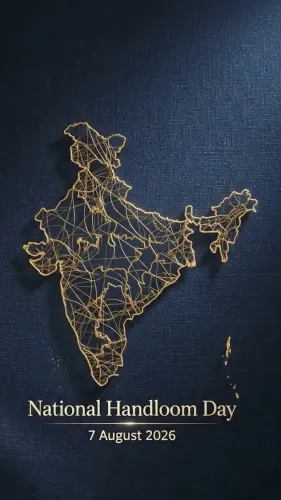
National Handloom Day is observed annually on 7 August to commemorate the launch of the 1905 Swadeshi movement .
Union Textiles Minister Giriraj Singh presided over recognition events on 10 August 2026 honouring handloom weavers.
The Shreshth Bunakar Seva Kendra was among those felicitated at the event.
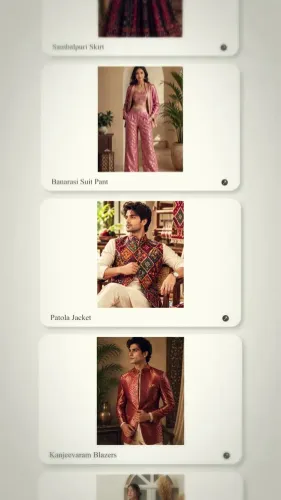
A coffee table book celebrating handloom artisanship was released, and certificates were distributed to weavers.
National Handloom Day was first observed in 2015 , linking the sector's revival to India's Swadeshi heritage.
The handloom sector remains one of India's largest cottage industries, with ongoing government support for skill development and market linkages.
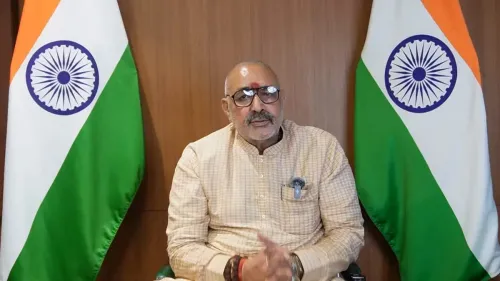
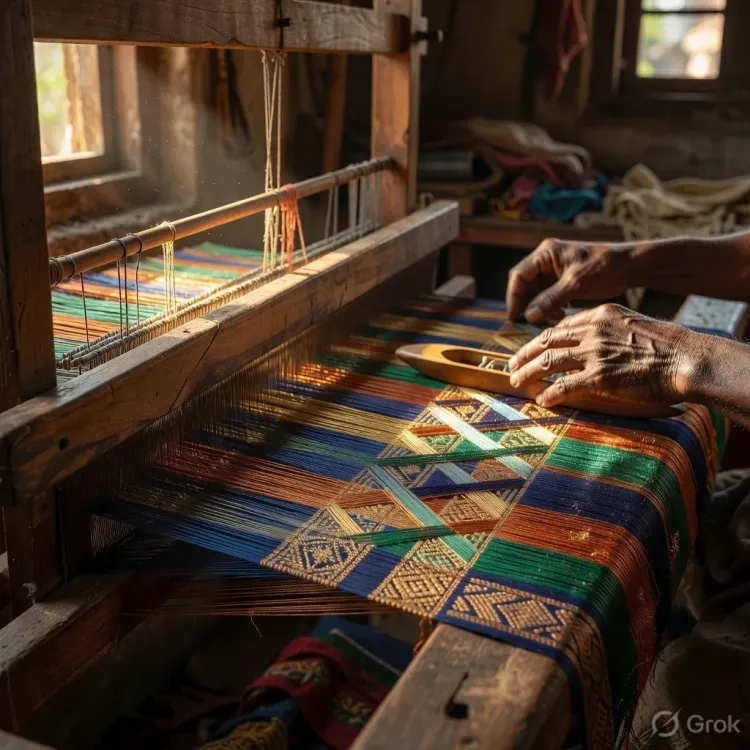
On a day that traces its roots to the 1905 Swadeshi movement, Union Textiles Minister Giriraj Singh marked National Handloom Day by presiding over a series of recognition events honouring India's handloom weavers — the custodians of a craft tradition that predates the republic itself.
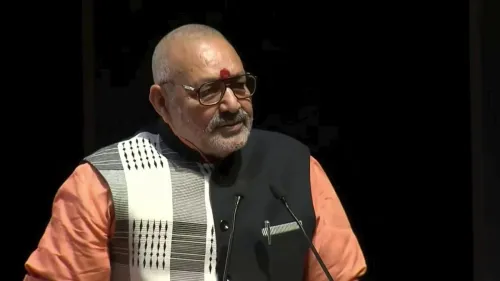
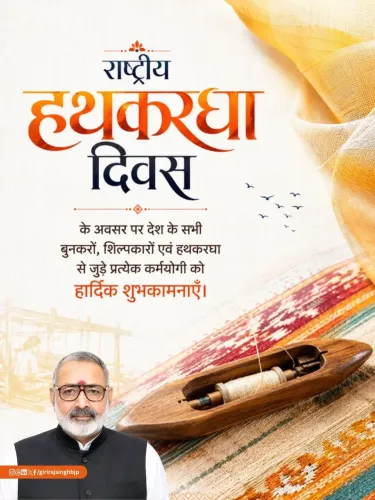
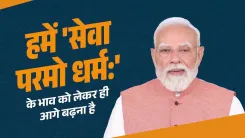
Posting on 10 August 2026, Singh wrote: 'हमारे बुनकरों का कौशल, हमारी हथकरघा विरासत की पहचान है।' — 'Our weavers' skill is the identity of our handloom heritage. Honouring them and creating new opportunities for them is our constant priority.'
Shreshth Bunakar Seva Kendra and the day's ceremonies
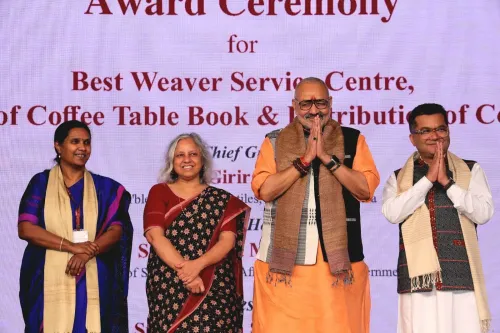
The observance featured the honouring of the Shreshth Bunakar Seva Kendra, the release of a coffee table book celebrating handloom artisanship, and the distribution of certificates to weavers. Each element was designed to give formal, public recognition to communities whose work often goes unacknowledged beyond their looms.
National Handloom Day itself was instituted in 2015 to commemorate the launch of the Swadeshi movement on 7 August 1905 — a moment when homespun cloth became an act of political defiance. The date was chosen deliberately, anchoring the sector's modern revival to that charged historical memory.
A sector defined by heritage — and livelihood pressure
India's handloom sector supports millions of weavers, making it one of the largest cottage industries in the country. Successive governments have channelled support through skill upgradation programmes, market linkage schemes, and welfare measures — recognising that the handloom economy is as much a livelihood question as a cultural one.
Annual observances like this one serve a dual function: they sustain the cultural prestige of the craft while keeping policy attention trained on a sector that competes, unevenly, with power-loom and machine-made alternatives.
For the weavers receiving certificates on 10 August, the recognition is personal. For the ministry, it is a signal — that handloom heritage will remain a named priority, not a footnote in the textile policy calendar.
Point of View
Successive governments have made handloom support a question of national identity, not just industrial policy — a framing that insulates the sector from pure market logic. For Giriraj Singh, visible participation reinforces the BJP's cultural-heritage messaging while keeping the ministry's weaver-welfare credentials intact. The real test, however, lies in the rollout of development schemes and whether recognition events translate into measurable livelihood gains for weavers.
NationPress
24 Sept 2026
Frequently Asked Questions
When is National Handloom Day celebrated in India?
National Handloom Day is celebrated on 7 August every year to mark the launch of the Swadeshi movement on 7 August 1905. It was first observed in 2015.
What is the Shreshth Bunakar Seva Kendra?
The Shreshth Bunakar Seva Kendra is a weaver service centre that was honoured by the Textiles Ministry during the National Handloom Day 2026 celebrations for its contributions to the handloom sector.
What did Giriraj Singh do on National Handloom Day 2026?
Union Textiles Minister Giriraj Singh presided over events on 10 August 2026 that included honouring the Shreshth Bunakar Seva Kendra, releasing a coffee table book on handloom artisanship, and distributing certificates to weavers.
Why was National Handloom Day started in India?
National Handloom Day was instituted in 2015 to commemorate the 1905 Swadeshi movement and to recognise the cultural and economic contributions of India's handloom weavers.
What is the government doing to support handloom weavers in India?
The government supports handloom weavers through skill upgradation programmes, market linkage schemes, welfare measures, and annual recognition events on National Handloom Day to sustain both the cultural heritage and livelihoods of the sector.