CM Fadnavis Spends Diwali with Farmers at Lohari Sawanga
Synopsis
Chief Minister Devendra Fadnavis spent Diwali at Lohari Sawanga, staying overnight with farmers, pledging bore-well permissions to tackle drought, and assuring state support during natural calamities. The CMO's day-summary also included a condolence for senior publisher Anil Mehta.
Key Takeaways
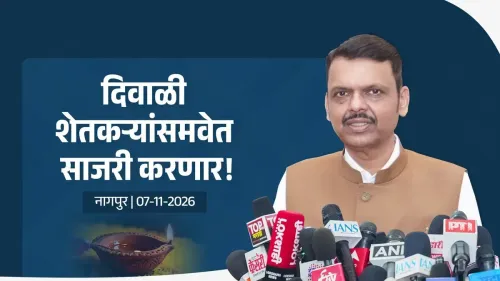
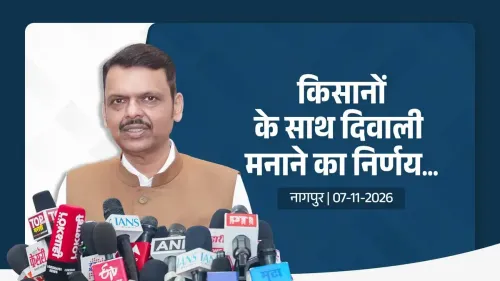
CM Devendra Fadnavis celebrated Diwali with farmers at Lohari Sawanga on 7 November 2026 , staying overnight for extended dialogue.
Fadnavis assured farmers: 'In times of natural calamity, the state government stands firmly behind you.' The Chief Minister committed to granting bore-well drilling permissions wherever feasible to address drought conditions.
Lohari Sawanga has a documented rural-development record dating back to 1948 .
Fadnavis also paid tribute to senior publisher Anil Mehta , who passed away recently.
Follow-up on formal drought-relief orders and bore-well permissions will determine whether the visit yields lasting policy outcomes.
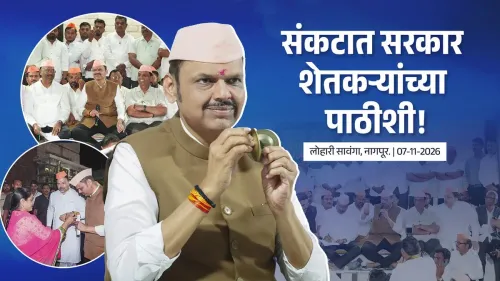
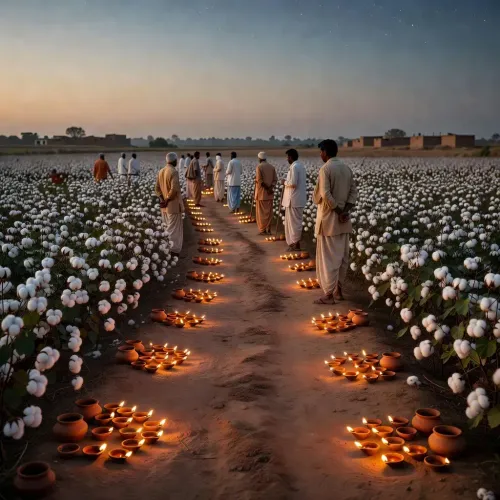
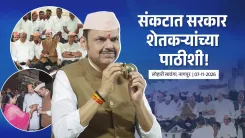
On the occasion of Diwali, Chief Minister Devendra Fadnavis chose a drought-stressed village over a ceremonial hall — travelling to Lohari Sawanga in Maharashtra to celebrate the festival directly with farmers and hear their grievances firsthand. The Chief Minister's Office of Maharashtra shared a full-day summary of the visit on Saturday, 7 November 2026, underscoring the government's intent to signal solidarity with rural communities facing acute water and crop distress.
A Diwali Spent in the Fields, Not the Secretariat
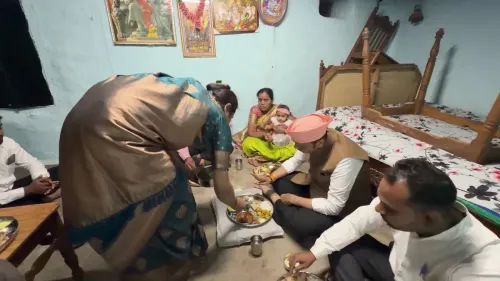
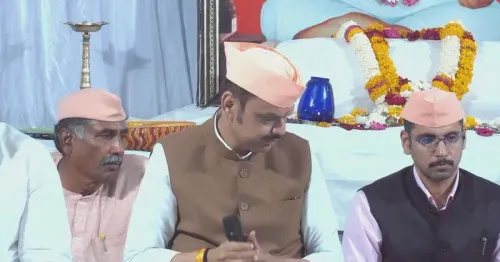
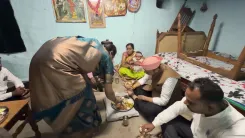
Fadnavis did not just drop in for a photo opportunity — he stayed overnight at Lohari Sawanga, engaging in extended dialogue with farmers and villagers. The Chief Minister's message was direct: 'अस्मानी संकटात राज्य सरकार भक्कमपणे तुमच्या पाठीशी' — 'In times of natural calamity, the state government stands firmly behind you.' That pledge, delivered face-to-face in a village rather than through a press release, carried the weight of the setting.
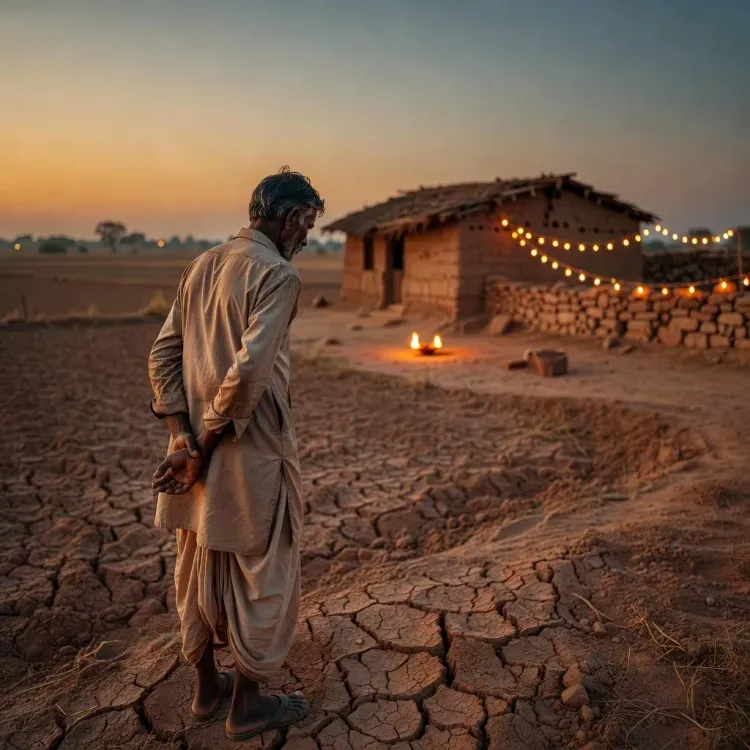
The conversations covered a range of agricultural concerns, with water scarcity emerging as the sharpest pressure point. Fadnavis committed to easing access to bore wells, stating the government would grant permissions for drilling bore wells wherever feasible to help farmers cope with drought conditions. It is a promise rooted in operational specifics, not just sentiment.
Lohari Sawanga's Seven-Decade Development Story
Lohari Sawanga is not a random stop on a political itinerary. The village carries a development record stretching back to 1948, and the Chief Minister's Office highlighted that lineage explicitly — framing the visit as a continuation of a long arc of rural progress, not a crisis intervention alone. Villagers had been anticipating the visit with considerable enthusiasm, and the day provided a structured opportunity for them to raise issues spanning agriculture, water infrastructure, and broader local development.
Maharashtra governments have historically used direct farmer outreach — particularly during drought cycles — to combine ground-level intelligence gathering with on-the-spot administrative commitments. Fadnavis himself, during his 2014–2019 tenure as Chief Minister, oversaw several rural water-conservation and drought-relief programmes across the state. The Lohari Sawanga visit fits that established pattern, now with added urgency given the distress signals coming from farming communities.
A Condolence Note Amid the Celebrations
The day's summary also carried a sombre note: Fadnavis paid tribute to senior publisher Anil Mehta, described as an 'experimental and guiding link in the world of publishing.' The condolence was woven into an otherwise action-heavy day — a reminder that governance rarely pauses, even during festivals.
The immediate follow-up to watch is whether the bore-well permissions and any additional drought-relief measures announced during the village stay are formalised into government orders — converting a Diwali conversation into durable policy on the ground.
Point of View
Maharashtra CMs have used such direct-outreach visits to pre-empt farmer agitation, and this visit follows that playbook closely. Whether the visit translates into formalised relief orders or remains a ceremonial gesture will be the real test of its governance value.
NationPress
8 Nov 2026
Frequently Asked Questions
Why did CM Devendra Fadnavis visit Lohari Sawanga on Diwali?
Fadnavis visited Lohari Sawanga to celebrate Diwali with farmers and hear their concerns about drought and water scarcity firsthand, staying overnight for extended dialogue with villagers.
What did CM Fadnavis promise farmers at Lohari Sawanga?
Fadnavis pledged that the state government would grant permissions for bore-well drilling wherever feasible to help farmers cope with drought, and assured them of firm government support during natural calamities.
Where is Lohari Sawanga and why is it significant?
Lohari Sawanga is a village in Maharashtra with a rural-development history dating back to 1948, making it a symbol of sustained grassroots progress in the state.
Who is Anil Mehta and why did Fadnavis pay tribute to him?
Anil Mehta was a senior publisher described as an experimental and guiding figure in the publishing world. CM Fadnavis offered condolences on his passing as part of the day's official summary.
What should we watch for after Fadnavis's Lohari Sawanga visit?
The key follow-up is whether bore-well permissions and any additional drought-relief measures discussed during the visit are converted into formal government orders.