Nepal's Rappers Rally Behind Gen Z PM Hopeful Balen Shah
Synopsis
In Nepal, rap has emerged as a powerful voice for change, particularly among Gen Z. As artists like Balen Shah vie for political leadership, the fusion of music and activism is reshaping the nation’s landscape.
Key Takeaways
Rap music serves as a powerful platform for protest and change in Nepal.
Balen Shah is gaining momentum as a potential Prime Minister .
The Gen Z protests reflect the growing political engagement of youth .
Upcoming elections may redefine the political landscape in Nepal.
Supporters of Balen Shah are leveraging their musical talents to promote his candidacy.
Jhapa (Nepal), March 2 (NationPress) Rap, a genre that transcends from the Bronx to the streets of Nepal, has become a powerful instrument for social transformation.
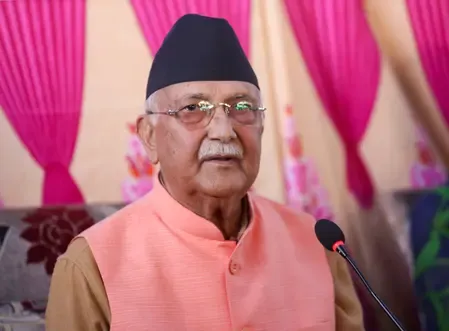
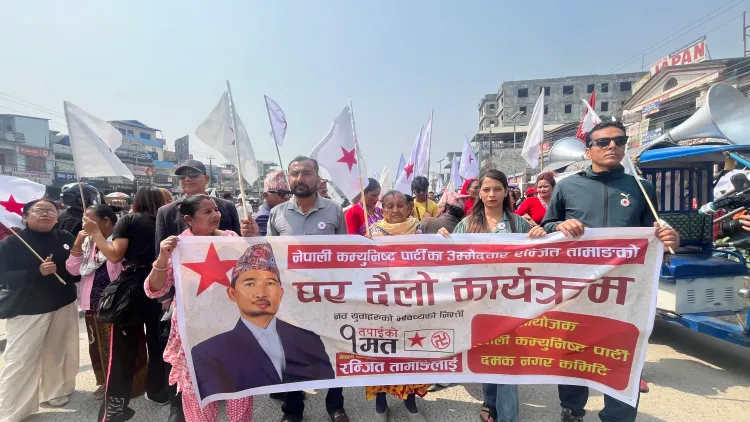
In Nepal, the protests led by Gen Z last year saw a remarkable influx of rappers who energized the crowds with their vibrant performances. These demonstrations emerged in response to the prior government's ban on social media platforms, led by K. P. Sharma Oli.
The protests represented a backlash against the perceived silencing of voices, using music to articulate dissent against those in power.
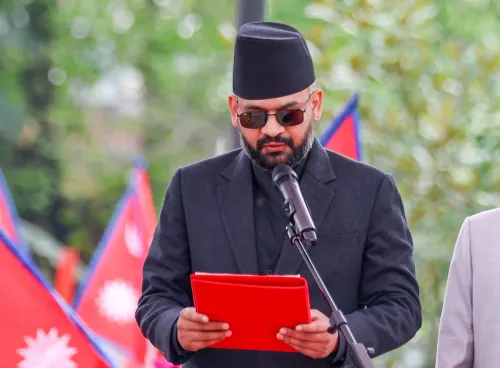
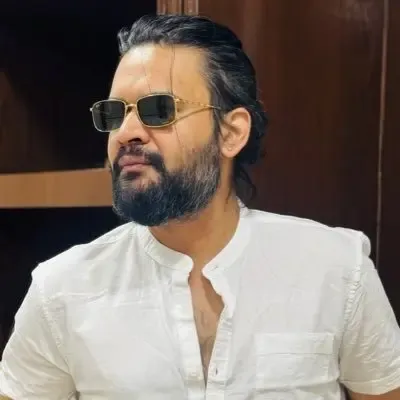
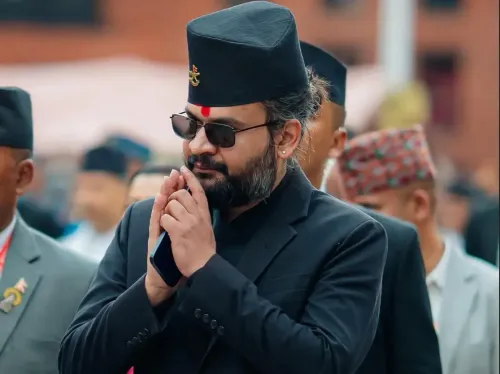
Among the prominent rappers igniting passion within the Gen Z protestors is Balen Shah, a 35-year-old member of the Rastriya Swatantra Party (RSP), who is being touted as a prospective Prime Minister of Nepal.
Balen faces a significant challenge in the Jhapa-5 constituency, where he is up against the former Prime Minister in his stronghold. The national elections are scheduled for Thursday, March 5.
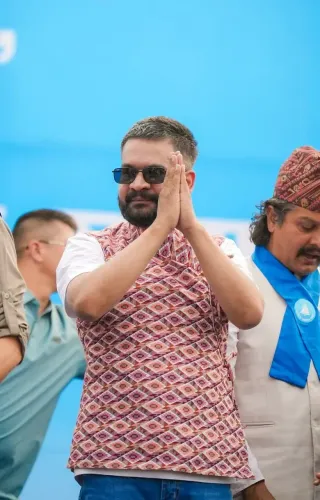
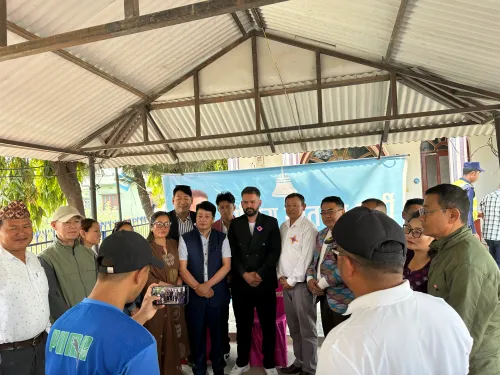
Interestingly, many of Balen's campaign supporters do not belong to RSP; they identify as “supporters” of the youth icon, including rappers Rajesh Bhandari, 34, and Prabhat Basnet, 24.
“Our music serves as a protest and a bridge to unite people,” Bhandari stated. With over 15 years of experience in the rap scene, he has addressed various topics, from political struggles to social issues.
“Balen is a rapper and a friend of mine for about 15 years. I believe he is the most qualified leader for Nepal at this moment. For over 40 years, political parties have ruled our nation but have only led to its decline,” he asserted.
“In my youth, I composed raps questioning how long we would have to endure this situation,” he added.
Just a couple of weeks ago, he launched an album featuring tracks originally penned by Balen. “I perform Balen's songs in honor of him; this album is a tribute. I regard him as the best leader of our time,” he shared. To support himself and his passion, Bhandari works in sanitary hardware.
He mentioned that the only place outside Nepal he has visited is Siliguri in northern West Bengal, India, expressing regret for never having explored the Western world.
“The youth in Nepal often struggle to realize their aspirations,” he lamented. Basnet, who helps coordinate Gen Z volunteers for Balen's campaign, concurred that rap is a motivating and easily relatable genre.
“Our initial goal was not to lead the protests last year,” he emphasized, “but to organize and safeguard the demonstrators to prevent chaos or violence.”
“Balen has a vision for our nation's advancement and has inspired confidence among the populace,” he added.
Bhandari also highlighted their leader’s capabilities, referring to his effective administration as the mayor of Kathmandu.
“In three years, he revitalized the city and enhanced its beauty,” he claimed.
Rap emerged in the late 20th century as a unique vocal art form rooted in rhythmic speech, rhyme, and street vernacular, often accompanied by beats. Historically, it has been a medium for advocating social reform, confronting systemic issues, and voicing the realities of marginalized groups.
It evolved from African-American oral traditions, Jamaican toasting, and spoken-word poetry, with DJs and MCs invigorating crowds by speaking over breakbeats to inspire and comment on everyday life.
This blend of rhythm, lyricism, and social insight swiftly transformed into a global movement known as hip-hop.
As rap spread beyond the United States, artists adapted its elements to reflect local languages, histories, and political contexts, just as Balen and his peers have done in Nepal.
Point of View
The intersection of music and politics in Nepal showcases the influence of youth culture in shaping the future of governance. The active engagement of artists indicates a shift towards a more participatory political landscape, emphasizing the importance of representation and social change.
NationPress
30 Sept 2026
Frequently Asked Questions
What was the reason behind the Gen Z protests in Nepal?
The protests were sparked by a ban on social media platforms imposed by the former government, leading many to rally against the suppression of free speech.
How does rap music play a role in Nepal's political landscape?
Rap music has become a medium for protest and social commentary, allowing artists to connect with the youth and mobilize support for political change.
When are the national elections in Nepal?
The national elections in Nepal are scheduled for Thursday, March 5.
What is the significance of the Jhapa-5 constituency?
Jhapa-5 is significant as it is the stronghold of the former Prime Minister, making Balen Shah's candidacy a critical challenge.