India's 27 migration pacts with 23 nations must expand to protect migrants: MoS Singh
Synopsis
India has inked 27 migration and mobility agreements with 23 countries — including recent deals with the EU, UK, and New Zealand — and MoS Kirti Vardhan Singh is now pushing for more, telling the UN's migration review forum that structured, skills-based mobility and digital infrastructure are India's twin pillars for protecting millions of workers abroad.
Key Takeaways
India has signed 27 migration and mobility agreements with 23 countries , including recent pacts with the EU , Britain , and New Zealand .
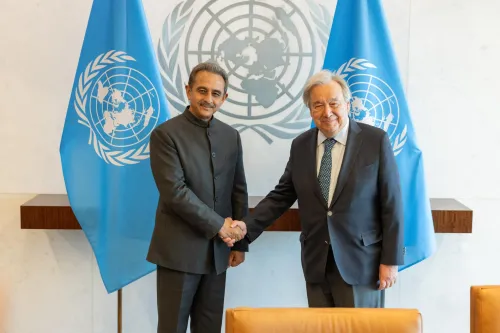
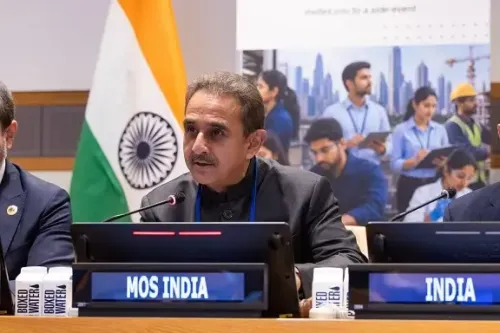
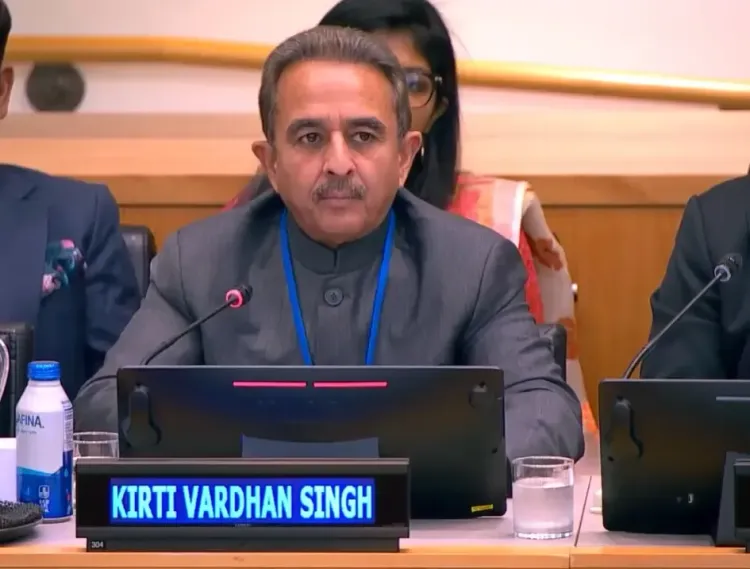
MoS Kirti Vardhan Singh addressed the Second International Migration Review Forum (IMRF) at the UN on 6 May 2025 .
The eMigrate system , National Career Service portal , and Skill India Digital Hub form India's digital backbone for migrant worker protection.
The MADAD portal enables overseas Indians to file and track complaints with Indian government agencies from their phones.
The IMRF reviews the Global Compact for Safe, Orderly and Regular Migration , adopted at the UN in 2018 , every four years.
India has signed 27 migration and mobility agreements with 23 countries, and such partnerships must be expanded to provide safe pathways for emigration and protection of the diaspora, Minister of State for External Affairs Kirti Vardhan Singh said on Tuesday, 6 May, at the Second International Migration Review Forum (IMRF) at the United Nations. Singh underscored that these agreements facilitate structured, skills-based mobility with a strong emphasis on worker welfare, social protection, and fair recruitment practices.
Key Agreements and Recent Milestones
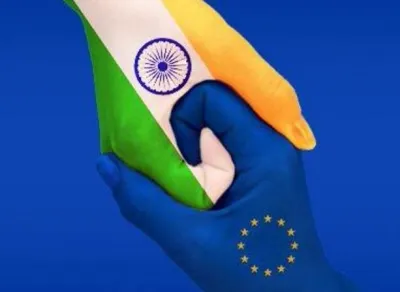
Among India's migration and mobility pacts, the most significant recent ones include an agreement with the European Union signed in January, a pact with Britain concluded last July, and a deal with New Zealand signed last month. These agreements are designed to create formal, regulated channels for Indian workers seeking employment abroad, reducing vulnerability to exploitation and irregular migration routes.
"We believe such partnerships must continue to be strengthened and expanded for safeguarding the rights of our citizens abroad," Singh said, addressing delegates at the IMRF — a quadrennial review of the Global Compact for Safe, Orderly and Regular Migration, adopted at the UN in 2018.
Skills Development as a Migration Cornerstone
Singh described enhancing the international-level skills of prospective migrants as "a cornerstone of our migration governance." He highlighted the role of Skill India International Centres and digital platforms in aligning India's workforce with global standards. India is also working with partner countries to advance mutual recognition of skills certifications, which would ease the process of credential verification for Indian workers abroad.
Pre-departure orientation programmes have been established to ensure migrants are well-informed and better prepared for their roles overseas, Singh added. These programmes aim to reduce cases of deception and malpractice in recruitment, which have historically affected Indian migrant workers, particularly in the Gulf region.
Digital Infrastructure Protecting Migrant Workers
India's Digital Public Infrastructure has played what Singh called a "transformative role" in protecting migrant workers and ensuring transparency in recruitment and deployment processes. The key digital platforms cited include the eMigrate system, the National Career Service portal, and the Skill India Digital Hub. Together, these tools create an auditable trail of recruitment transactions, reducing the scope for fraudulent agents to exploit workers.
Welfare Mechanisms for Vulnerable Migrants
Singh emphasised that the welfare and protection of overseas Indians remain at the core of India's migration policies. He specifically highlighted the Indian Community Welfare Fund and the MADAD portal — named after the Hindi word for help — which allows overseas Indians to register employment and other complaints online with Indian government agencies and track their resolution in real time.
"Our responsive consular services also provide timely assistance, legal, financial, and insurance coverage to our nationals overseas," Singh said. This comes amid growing global attention on the rights of migrant workers, with the IMRF serving as a critical platform for countries to assess progress against the commitments made under the 2018 Global Compact.
What's Next
With the IMRF convening every four years, India's participation signals its intent to position itself as a responsible migration governance leader. Expanding the current network of 27 agreements across 23 countries will be closely watched by both the Indian diaspora and international labour organisations as a measure of the country's commitment to protecting its workers abroad.
Point of View
But the real test lies in enforcement and worker outcomes on the ground. Many Indian migrants — particularly in Gulf countries not yet covered by structured bilateral pacts — remain exposed to exploitative recruitment chains that no portal alone can dismantle. The emphasis on digital infrastructure is forward-looking, but digital access gaps among low-income migrant workers mean these tools may not reach the most vulnerable. Expanding the number of agreements is necessary, but without robust, independently monitored welfare mechanisms embedded within each pact, the headline figure of 27 agreements risks being more diplomatic optics than substantive protection.
NationPress
23 Sept 2026
Frequently Asked Questions
How many migration agreements has India signed and with which countries?
India has signed 27 migration and mobility agreements with 23 countries. Notable recent pacts include those with the European Union (January), Britain (July of the previous year), and New Zealand (last month).
What is the IMRF and why is India participating?
The Second International Migration Review Forum (IMRF) is a quadrennial UN review of the Global Compact for Safe, Orderly and Regular Migration, adopted in 2018. India participated to present its migration governance framework and call for expanded bilateral partnerships to protect Indian workers abroad.
What is the MADAD portal and how does it help Indian migrants?
The MADAD portal — named after the Hindi word for help — allows overseas Indians to register employment and other complaints online with Indian government agencies and monitor the progress of their cases. It is a key tool in India's consular welfare infrastructure.
What digital platforms does India use to protect migrant workers?
India uses the eMigrate system, the National Career Service portal, and the Skill India Digital Hub to ensure transparency in recruitment and deployment of migrant workers. These platforms are part of India's broader Digital Public Infrastructure for migration governance.
What is the Skill India International Centres initiative?
Skill India International Centres are facilities designed to enhance the skills of Indian workers seeking employment abroad to international standards. They work alongside digital platforms to align the Indian workforce with global requirements and facilitate mutual recognition of skills with partner countries.