Navigating Global Uncertainty: The India-EU Trade Agreement
Synopsis
The India-EU trade pact emerges as a beacon of hope amid global turbulence, promising significant economic benefits and a stronger partnership between two of the world's largest democracies. Discover how this agreement can reshape trade dynamics and foster collaboration.
Key Takeaways
India gains access to one of the largest markets globally.
EU strengthens ties with a dynamic partner.
Projected annual export gains of €30 billion .
Partnership fosters democratic values .
Includes commitments to climate action and food safety.
New Delhi, March 20 (NationPress) The previous year has posed significant challenges to the global order, shaking established beliefs regarding trade liberalization and international cooperation. Nevertheless, amid this uncertainty, the India-EU trade agreement presents a viable path forward, according to a Member of the European Parliament.
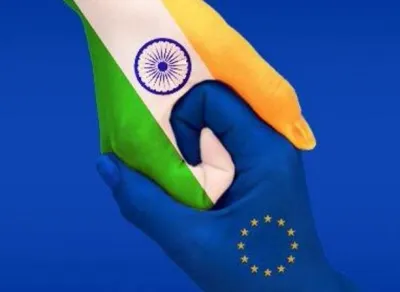
For India, this agreement signifies enhanced access to one of the globe's largest markets. In turn, the EU strengthens its relationship with a vibrant and influential partner. Both parties see this as an opportunity to reaffirm their dedication to open, rules-based trade, as highlighted by Member of the European Parliament Anna Sturgkh in an article featured in The Europe India Journal.
Sturgkh emphasized, "For the European Union, free trade transcends mere strategy; it is foundational to our identity. When our largest trading partner questioned this principle, it was no coincidence that we had significant agreements, including this one, prepared and ready to go."
She continued, stating that the groundwork laid over many years of planning, negotiation, and commitment to core values has culminated in impressive trade volumes. The EU has doubled, and in some cases tripled, its export volume with trading partners. Thus, it is not surprising that the India-EU free trade agreement is expected to yield a remarkable 30 billion euros (approximately Rs 3.2 trillion) in combined annual export gains.
From Austrian machinery to Indian pharmaceuticals, businesses on both sides will discover new opportunities, fostering job creation and driving innovation. This agreement sends a powerful message to other partners and delivers tangible benefits to citizens on both sides. It is not merely about the exchange of goods, but also about the exchange of values and ideas, which excites supporters of this agreement. When Austrian or other European products are exported to India, they carry with them a legacy of craftsmanship and quality, noted the MEP.
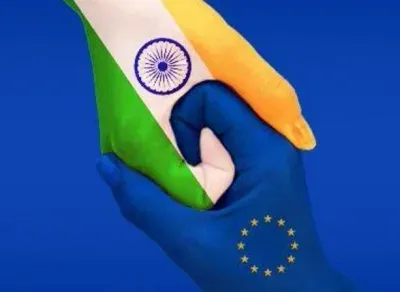
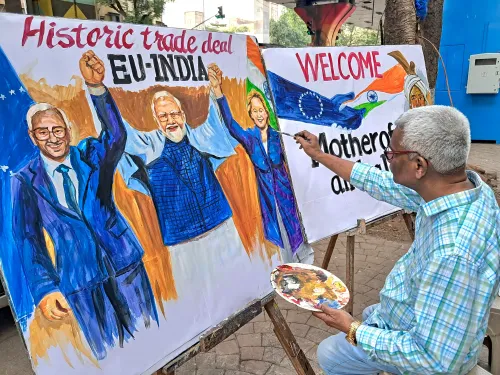
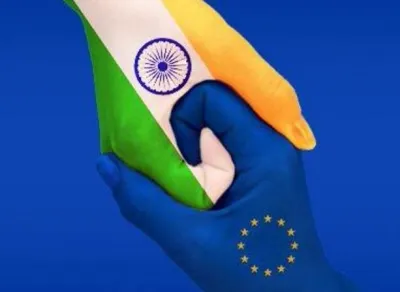
Dubbed the "mother of all deals" by the President of the European Commission, this agreement extends beyond trade and economic advantages. It embodies a partnership between the world’s second and fourth largest democracies, with the potential to foster decades of camaraderie and collaboration.
In addition to the trade agreement, the signed security and defense partnership symbolizes growing trust. In an era where democratic values face challenges, our collaboration sends a strong message: democracies can and must unite to shape the future, according to Sturgkh.
She also pointed out that trade agreements not only eliminate tariff barriers but also establish rules for equitable trade that benefit both parties and external stakeholders.
The agreement also includes agricultural safeguards, food safety standards, and reinforced rules of origin. Both nations commit to cooperating on climate action, with the EU offering India financial assistance and guidance to decarbonize its industrial operations. Together, we will create a community of two billion individuals working towards common objectives, Sturgkh concluded.
Point of View
Showcasing the importance of collaboration between major democratic nations. This partnership could significantly impact trade dynamics and international relations.
NationPress
7 Oct 2026
Frequently Asked Questions
What is the significance of the India-EU trade agreement?
The India-EU trade agreement is significant as it enhances access to one of the world's largest markets for India while reinforcing economic ties with the EU, potentially generating €30 billion in annual export gains.
How does this agreement affect businesses?
The agreement opens new opportunities for businesses on both sides, from Austrian machinery to Indian pharmaceuticals, fostering job creation and driving innovation.
What else is included in the agreement besides trade?
In addition to trade provisions, the agreement includes a security and defense partnership, agricultural safeguards, food safety standards, and commitments to climate action cooperation.
Why is this agreement important for democratic values?
This agreement emphasizes the importance of democracies working together to address global challenges, sending a strong message of collaboration amid pressures on democratic values.
What are the projected economic benefits of the trade deal?
The India-EU trade agreement is projected to generate approximately €30 billion (around Rs 3.2 trillion) in combined annual export gains, benefiting businesses and economies on both sides.