Nepal PM Balendra Shah's reclusive style raises democratic concerns
Synopsis
Nepal's PM Balendra Shah built his political brand on social media distance and youthful disillusionment — but four months into office, that same aloofness is now being called a constitutional problem. With no substantive meetings with the President and repeated Parliament walkouts, the engineer-rapper-politician faces a reckoning between personal style and democratic obligation.
Key Takeaways
Nepal PM Balendra Shah has held no substantive consultations with President Ramchandra Paudel in four months in office.
Major decisions including Cabinet reshuffles and parliamentary prorogation reportedly proceeded without traditional presidential briefings.
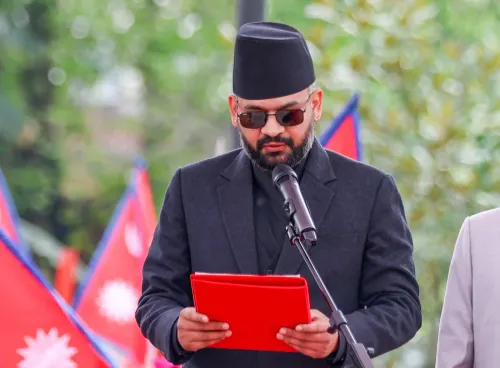
Shah left the House of Representatives just 20 minutes after arriving on 14 July , walking out during President Paudel's address.
Officials at Sheetal Niwas have reportedly described Shah's conduct as 'clear noncompliance of established democratic practices.' Shah's reclusive style, first seen during the March polls campaign, was initially read as youth appeal but is now raising institutional concerns.
Nepal Prime Minister Balendra Shah, popularly known as Balen, has faced mounting scrutiny over his largely withdrawn governing style in the four months since taking office, with critics questioning whether his unconventional approach can coexist with the constitutional obligations of a parliamentary democracy. His limited engagement with both Parliament and President Ramchandra Paudel has drawn pointed criticism from Nepali media and political observers alike.
Strained Ties With the Presidency
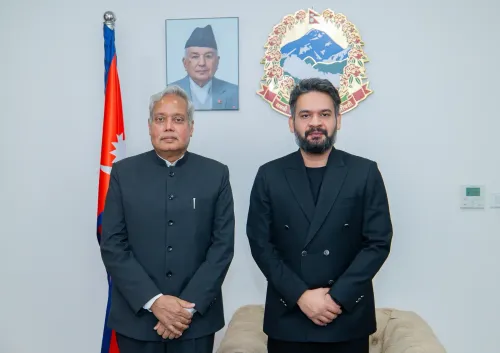
The Kathmandu Post reported on Thursday that Shah's engagement with President Paudel has been confined almost entirely to formal occasions, with no substantive consultations recorded in four months. According to the report, Shah has reportedly avoided direct one-on-one meetings with the President beyond official events such as swearing-in ceremonies and state functions.
The paper noted that consequential decisions — including Cabinet reshuffles, the summoning and prorogation of Parliament, and the issuance of ordinances — have reportedly moved forward without the traditional briefings expected between the head of government and the head of state. Unnamed officials at Sheetal Niwas, the official presidential residence, characterised this pattern as a 'clear noncompliance of established democratic practices.'
One official expressed disappointment that the government had failed to present the annual performance report of the Council of Ministers to the President — a document that prime ministers have historically submitted in person before forwarding it to Parliament.
A Pattern of Parliamentary Absence
Shah's distance from the legislature has been equally conspicuous. Earlier reports flagged his absence from key parliamentary sessions, including the first meeting of the House of Representatives in April and debates on government policy in May. When he did appear, his attendance was brief: on 14 July, Republica reported that Shah left the House of Representatives just 20 minutes after arriving for Tuesday's session.
He is said to have walked out while President Paudel was mid-speech, presenting the government's annual plan and programme — a moment that drew sharp public reaction. An opinion piece in The Himalayan Times in May, titled 'Balen's politics of silence and absence: Not a harbinger of good omen,' noted that the Opposition's demand for the Prime Minister's presence in parliamentary proceedings was effectively ignored when a month-long schedule was published without his participation.
Supporters vs. Critics: The Governing Style Debate
Shah's supporters argue that while earlier prime ministers spent long hours in Parliament delivering what they characterise as empty rhetoric, Shah is focused on substantive work outside the chamber. However, critics counter that in a parliamentary system, the Prime Minister's presence during legislative proceedings is not optional — it is a constitutional responsibility, not a stylistic choice.
The Himalayan Times opinion piece argued that Shah's backers 'little realise that in a parliamentary system, the presence of the Prime Minister during parliamentary proceedings is also a responsibility.'
From Campaign Strategy to Governing Crisis
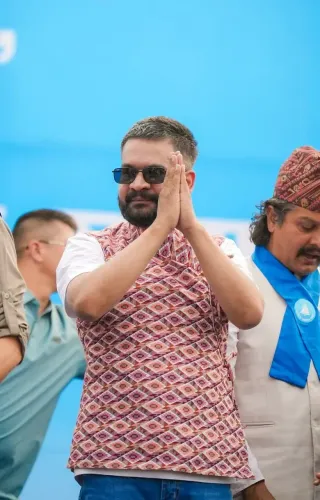
Shah's reclusiveness is not a new trait. During the campaign ahead of the March polls, he largely avoided mass rallies and public gatherings, instead leaning on social media and symbolic gestures. At the time, many observers interpreted his 'aloof style' as an appeal to younger voters disillusioned with Nepal's traditionally noisy political culture — and it appeared to work.
But that same distance alienated coalition allies who expected more visible leadership. Shah's public persona was built primarily online, where the engineer-rapper-turned-politician cultivated a larger-than-life presence. Carried into his premiership, that preference for distance now risks being read not as discipline, but as disengagement — or, worse, as institutional disregard. Whether Shah recalibrates his approach or doubles down on his unconventional style may well determine the durability of his government.
Point of View
They may find that the very institutions they are sidelining become the instruments of his political undoing.
NationPress
14 Sept 2026
Frequently Asked Questions
Why is Nepal PM Balendra Shah under scrutiny?
Shah is facing criticism for a reclusive governing style marked by limited attendance in Parliament and no substantive meetings with President Ramchandra Paudel in his first four months in office. Critics argue this behaviour conflicts with the constitutional expectations of a parliamentary democracy.
Has Nepal PM Shah met with President Paudel?
According to reports, Shah's engagement with President Paudel has been limited to formal occasions such as swearing-in ceremonies and state functions. No substantive one-on-one consultations have reportedly taken place in four months, which officials at Sheetal Niwas have called a breach of established democratic practice.
What happened when Shah attended Parliament on 14 July?
Shah left the House of Representatives just 20 minutes after arriving for the session on 14 July, reportedly walking out while President Paudel was mid-speech presenting the government's annual plan and programme. The incident drew sharp criticism from opposition leaders and political commentators.
How did Shah's reclusive style emerge?
Shah's preference for distance over public engagement was evident during his campaign ahead of the March polls, when he avoided mass rallies and relied heavily on social media. The strategy was seen as appealing to younger, politically disillusioned voters, but it has since drawn criticism as a governing approach.
What do Shah's supporters say about his governing style?
Supporters argue that Shah is focused on substantive work rather than the performative parliamentary presence associated with earlier prime ministers. Critics, however, counter that attendance and engagement in Parliament is a constitutional duty, not a stylistic preference, in a parliamentary system.