Nepal PM Balen Shah meets Indian envoy in first one-on-one diplomat talk
Synopsis
Nepal PM Balendra Shah's one-on-one with Indian Ambassador Naveen Srivastava breaks a four-month self-imposed ban on individual diplomat meetings — and the timing, sandwiched between planned meetings with the Chinese and US envoys on the same day, signals a deliberate reset in how Kathmandu is managing its most consequential bilateral relationships.
Key Takeaways
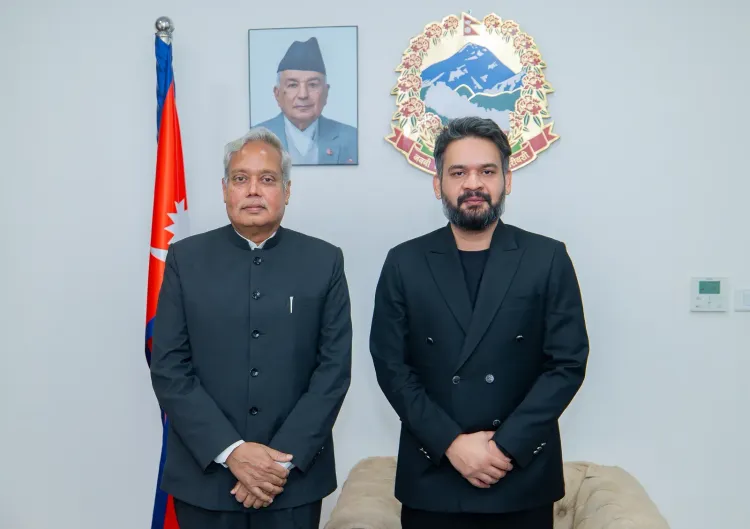
Nepal PM Balendra Shah met Indian Ambassador Naveen Srivastava at Singha Durbar on 10 August — his first one-on-one with a foreign diplomat since taking office on 27 March .
Shah had previously avoided individual ambassador meetings, opting instead for collective engagements on 9 April and 26 May .
Discussions covered bilateral friendship, development partnership, and areas of mutual cooperation between Nepal and India .
Shah is also scheduled to meet Chinese Ambassador Zhang Maoming on the same day and US Chargé d'Affaires Scott Urbom on Tuesday .
The proposed visit of Indian Foreign Secretary Vikram Misri in early May was reportedly postponed after Shah declined to grant an audience.
Foreign policy analyst Arun Sebudi has cautioned that rigid protocol 'should not become a barrier' to meetings with strategically important nations.
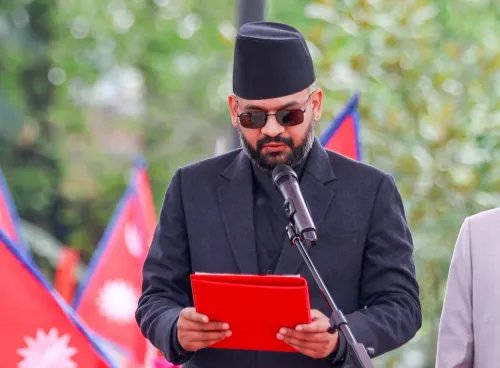
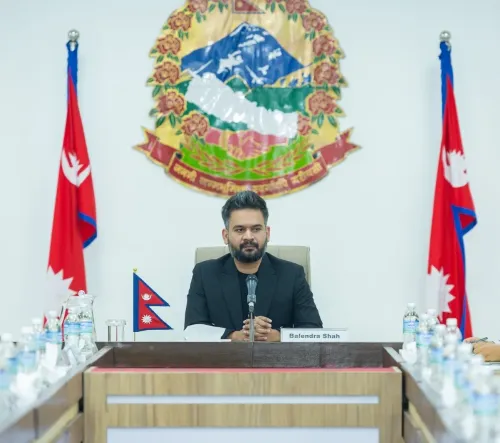
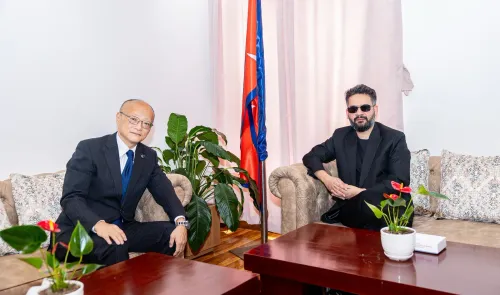
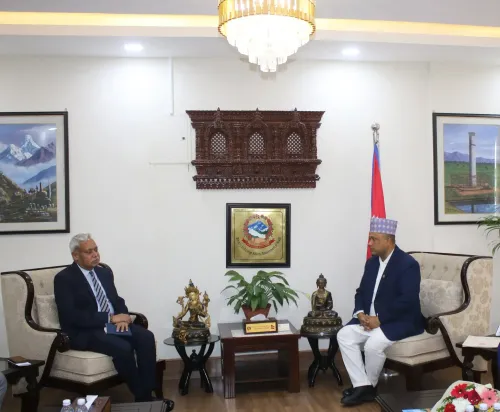
Nepal's Prime Minister Balendra Shah met with Indian Ambassador Naveen Srivastava at his office in Singha Durbar, Kathmandu, on Monday, 10 August — marking his first one-on-one engagement with a foreign diplomat since assuming office on 27 March. The meeting represents a notable shift from Shah's self-imposed diplomatic protocol of avoiding individual meetings with foreign ambassadors.
What Was Discussed
The Prime Minister's Secretariat confirmed the meeting in an official statement, noting that the two sides discussed bilateral friendship, mutual interests, development partnership, and cooperation between Nepal and India. Ambassador Srivastava congratulated Shah and reaffirmed his commitment to strengthening ties between the two countries. Shah, in turn, emphasised the importance of deepening Nepal's historic relationship with India and working jointly on areas of shared interest.
A Deliberate Departure From Protocol
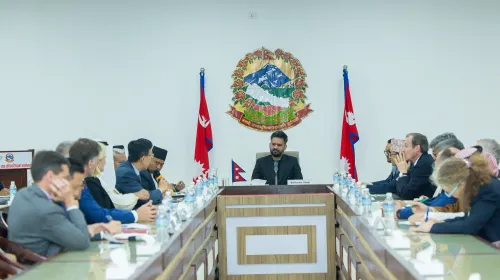
Since taking charge more than four months ago, Shah had consistently refrained from one-on-one meetings with foreign diplomats — a deliberate break from the practice of previous prime ministers, who routinely granted individual access to envoys. Instead, Shah held collective meetings with Kathmandu-based ambassadors on 9 April and 26 May. Foreign policy experts and Nepali diplomats broadly welcomed this approach as more transparent and equitable, though observers increasingly noted it was difficult to sustain as Nepal sought deeper international engagement.
The Diplomatic Balancing Act
Shah is also scheduled to meet Chinese Ambassador Zhang Maoming separately on the same day, and a meeting with US Embassy Chargé d'Affaires Scott Urbom is planned for Tuesday, according to a source at the Prime Minister's Secretariat. The decision to receive the ambassadors of Nepal's two immediate neighbours on the same day is being read as a signal that Kathmandu attaches equal strategic weight to both India and China.
Earlier Exceptions and Refusals
Shah had previously made one exception to his own protocol — meeting Asian Development Bank President Masato Kanda during a three-day visit to Nepal in early July. However, he had declined requests from the US Embassy for meetings with US Assistant Secretary of State Samir Paul Kapur, US President Donald Trump's special envoy for South and Central Asia Sergio Gor, and US Under Secretary of State for Public Diplomacy Sarah B. Rogers. Notably, the proposed visit of Indian Foreign Secretary Vikram Misri to Kathmandu in early May was reportedly postponed after Shah declined to grant him an audience.
Analysts Weigh In
Some foreign policy analysts have argued that an inflexible refusal to meet foreign diplomats is not in Nepal's national interest. 'The protocol should not become a barrier to meeting representatives of countries or institutions that are strategically important to Nepal,' foreign policy analyst Arun Sebudi said in earlier remarks. The Monday meeting with the Indian ambassador may signal that Shah's administration is recalibrating its diplomatic engagement approach as geopolitical pressures mount.
How Shah manages the evolving balance between institutional protocol and strategic necessity will be closely watched as Nepal navigates its complex position between two powerful neighbours.
Point of View
Indian persistence, or the approaching reality that Nepal cannot manage its India and China relationships through group audiences. The decision to schedule India and China envoy meetings on the same day is a carefully staged signal of equidistance, but equidistance is a posture, not a policy. With the Indian foreign secretary's visit reportedly cancelled earlier over the same protocol, the repair work in the Nepal-India relationship is only just beginning.
NationPress
24 Sept 2026
Frequently Asked Questions
Why is Nepal PM Balen Shah's meeting with the Indian ambassador significant?
It is Shah's first one-on-one meeting with a foreign diplomat since becoming prime minister on 27 March — breaking a self-imposed protocol of avoiding individual engagements with foreign ambassadors. The meeting signals a potential shift in how his administration manages bilateral diplomacy.
What did Nepal PM Shah and Indian Ambassador Srivastava discuss?
According to the Prime Minister's Secretariat, the two sides discussed bilateral friendship, mutual interests, development partnership, and cooperation between Nepal and India. Ambassador Srivastava also congratulated Shah and reaffirmed commitment to strengthening ties.
Why had Shah avoided one-on-one meetings with foreign diplomats?
Shah introduced a policy of collective meetings with ambassadors — rather than individual ones — arguing it was a more transparent and equitable approach. The practice was a break from earlier prime ministers who routinely granted individual access to foreign envoys.
Who else is Nepal PM Shah scheduled to meet around the same time?
Shah is scheduled to meet Chinese Ambassador Zhang Maoming on the same day (10 August) and US Embassy Chargé d'Affaires Scott Urbom on Tuesday. Meeting the envoys of both immediate neighbours on the same day is seen as a signal of equal diplomatic importance.
What is the background of Nepal's strained diplomatic access under Shah?
Shah had previously declined meetings with several senior US officials, including Assistant Secretary of State Samir Paul Kapur and special envoy Sergio Gor. The proposed visit of Indian Foreign Secretary Vikram Misri to Kathmandu in early May was also reportedly postponed after Shah declined to receive him.