Nepal PM Shah meets Madhes parties as communal violence kills 3
Synopsis
Nepal PM Balendra Shah broke weeks of silence on the Madhes communal crisis, meeting regional party leaders for the first time as violence that began at a religious procession in Sunsari on 26 July has now claimed 3 lives and forced curfews across multiple districts bordering India. The move comes after the PM faced rare public censure for letting his party president chair the crisis meeting instead.
Key Takeaways
Nepal PM Balendra Shah held meetings with Madhes-based parties and regional lawmakers on Friday, 31 July over ongoing communal unrest.
Three people have died in violence that began on 26 July in Sunsari district during the Bolbam festival .
Curfews remain in force in Siraha , Janakpurdham (Dhanusha) , and Parsa districts, all bordering India.
Youth Om Prakash Mehta was killed by police gunfire during a security operation, according to police.
Shah faced criticism for not attending an earlier all-party meeting chaired by RSP President Ravi Lamichhane ; he addressed the nation only on Thursday .
Hindu and Muslim religious bodies — Vishwa Hindu Mahasangh , Al Salam Society , and Jamiat Ulema-e Nepal — jointly appealed for calm.
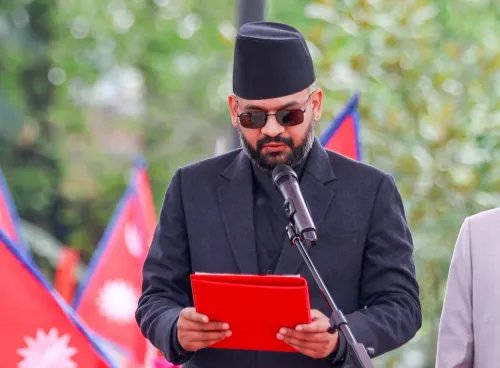
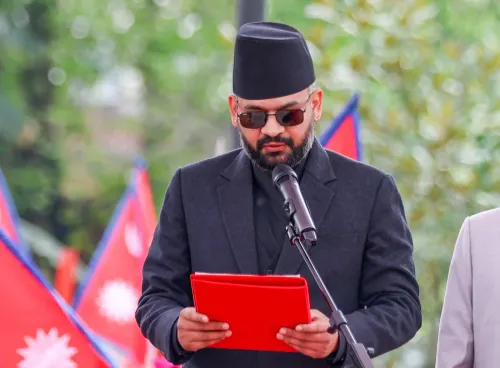
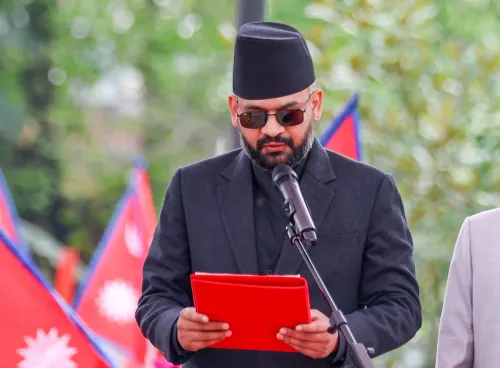
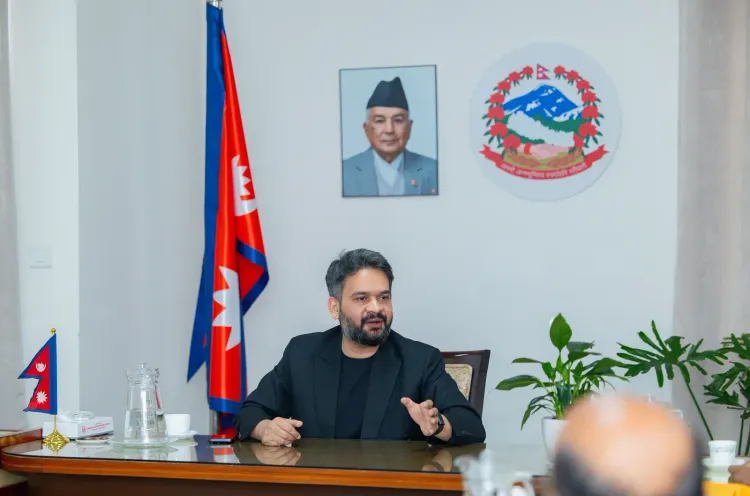
Nepal Prime Minister Balendra Shah on Friday, 1 August 2025, held back-to-back meetings with Madhes-based political parties and lawmakers representing the country's southern province, as communal unrest continued to grip several districts along the Indian border. Three people have died in the violence so far, with curfews remaining in force across multiple districts.
A Departure From Weeks of Silence
For weeks, Shah had bypassed the customary practice of consulting opposition parties during national crises — a tradition deeply embedded in Nepal's parliamentary democracy. He had instead addressed Parliament and briefed President Ram Chandra Poudel directly, drawing sharp criticism from opposition leaders who accused him of failing to act as the nation's guardian. The spreading communal violence in Madhes Province has now compelled him to break that pattern.
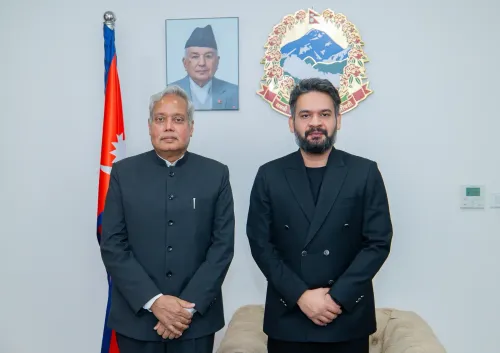
According to the Prime Minister's Secretariat, Shah convened the meetings to discuss ways to de-escalate tensions and restore communal harmony across the affected districts.
Who Was in the Room
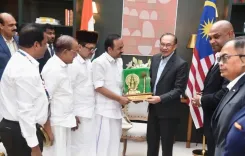
The consultations were attended by Dr. C K Raut, Mahanta Thakur, Rajendra Mahato, Lalbabu Raut, Shamim Miya Ansari, Ram K Sharma, Prabhu Sah, Amaresh Kumar Singh, Sharat Singh Bhandari, Jayakant Raut, and other leaders. Most represent parties without seats in the House of Representatives but with significant grassroots support in the crisis-hit region.
Speaking to journalists after the meeting, the leaders said dialogue of this nature would be crucial to resolving the crisis. Janamat Party Chair C K Raut called it a very positive step, noting it was the first time Shah had held direct discussions with Madhes-centric parties. Raut said the leaders had also put forward concrete suggestions for addressing the situation in the southern Tarai districts.
Earlier in the day, Shah met separately with lawmakers from the Madhes region, most of them from his own party, the Rastriya Swatantra Party (RSP), focusing on the recent incidents and their aftermath.
How the Violence Began
The unrest was triggered on 26 July when clashes broke out between Hindu and Muslim groups in the Kaptanganj area of Dewanganj Rural Municipality-3 in Sunsari district. According to police, Hindu devotees carrying holy water for the Bolbam festival during the month of Saawan were travelling toward Kaptanganj Chowk from the Koshi Barrage while playing loud DJ music. Some members of the Muslim community objected to the noise, sparking an argument that escalated into physical violence.
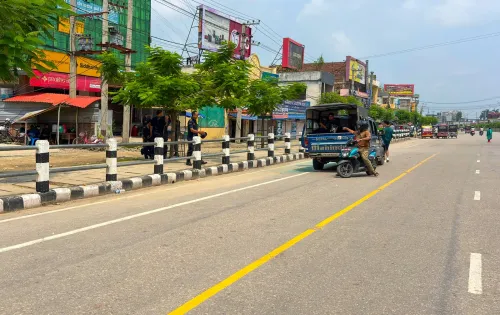
During the subsequent police operation, a youth identified as Om Prakash Mehta was killed after being struck by police gunfire, according to police accounts. The incident set off a wave of protests and violence across other parts of Madhes, including Siraha district. Authorities imposed curfews in parts of Siraha and Janakpurdham in Dhanusha district, while prohibitory orders were issued in Parsa district — all of which share a border with India. Curfews remained in force across these districts on Friday.
Political Criticism and the Government's Response
Opposition parties have been scathing in their assessment of the government's handling of the crisis. Critics pointed out that it was RSP President Ravi Lamichhane — not the Prime Minister — who convened an all-party meeting on Wednesday. Neither Shah nor the Home Minister attended that meeting, drawing further condemnation from opposition benches in Parliament.
Under mounting pressure, Shah addressed the nation on Thursday, calling for calm and urging the preservation of communal harmony. He also briefed President Poudel in person and spoke with the Vice President by telephone.
Separately, Lamichhane met with Hindu and Muslim religious leaders to explore pathways to peace. Following that meeting, the Vishwa Hindu Mahasangh, Nepal, the Al Salam Society, and Jamiat Ulema-e Nepal issued a joint statement urging citizens to 'exercise restraint and refrain from engaging in provocative or hateful activities or any actions that could disrupt social harmony.' Rallies calling for communal harmony were also organised in several parts of the country on Friday.
What Comes Next
With curfews still active and political consultations now formally under way, the government faces pressure to move from dialogue to measurable action on the ground. The involvement of regional parties without parliamentary representation — but with deep community ties — could prove critical in bridging the gap between Kathmandu's political establishment and the affected populations in the Tarai.
Point of View
Friday's meetings risk being remembered as optics, not governance.
NationPress
14 Sept 2026
Frequently Asked Questions
What triggered the communal violence in Nepal's Madhes region?
The violence began on 26 July in the Kaptanganj area of Sunsari district, when Hindu devotees participating in the Bolbam festival clashed with members of the Muslim community over loud DJ music played during a religious procession. The dispute escalated into physical violence, and a subsequent police operation resulted in the death of a youth identified as Om Prakash Mehta.
How many people have died in the Madhes communal violence?
Three people have died in the communal unrest as of 31 July, according to reports. Curfews have been imposed across Siraha, Janakpurdham in Dhanusha district, and Parsa district, all of which border India.
Why was Nepal PM Balendra Shah criticised over the Madhes crisis?
Shah was criticised for not addressing the nation promptly and for skipping an all-party crisis meeting that was instead chaired by RSP President Ravi Lamichhane. Opposition leaders said the PM had failed to fulfil the role of the nation's guardian during a major communal emergency.
Who attended the PM's meeting with Madhes party leaders?
The meeting was attended by Dr. C K Raut, Mahanta Thakur, Rajendra Mahato, Lalbabu Raut, Shamim Miya Ansari, Ram K Sharma, Prabhu Sah, Amaresh Kumar Singh, Sharat Singh Bhandari, Jayakant Raut, and others. Most represent parties without seats in the House of Representatives but with strong support in the affected region.
What have religious organisations said about the Madhes violence?
The Vishwa Hindu Mahasangh Nepal, Al Salam Society, and Jamiat Ulema-e Nepal issued a joint statement urging citizens to 'exercise restraint and refrain from engaging in provocative or hateful activities or any actions that could disrupt social harmony.' The appeal followed a meeting between RSP President Ravi Lamichhane and religious leaders from both communities.