Nepal PM Shah: India-Nepal border dispute to be resolved via diplomacy
Synopsis
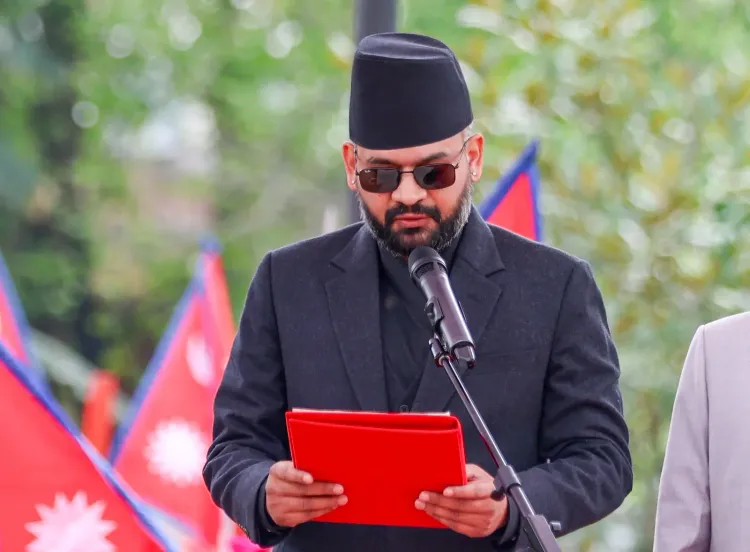
In his first address to Nepal's Parliament, PM Balendra Shah dropped a diplomatic bombshell — admitting that Nepal, not just India, has encroached on the other's territory in multiple places. He offered no specifics, triggering an immediate opposition storm, even as he revealed that Nepal has quietly held border talks with the UK — reportedly the first time this has been openly acknowledged.
Key Takeaways
Nepal PM Balendra Shah admitted on 31 May that Nepal has encroached on Indian land in multiple locations, even as he accused India of encroaching on Nepali territory.
Shah declined to specify where Nepal had encroached, drawing sharp opposition demands for details and calls to expunge his remarks from parliamentary record.
India and Nepal have agreed in principle to form joint teams of historians, surveyors, and experts to resolve the Limpiyadhura, Lipulek, and Kalapani dispute through talks.
Nepal has reportedly held diplomatic discussions with China and the United Kingdom on the border dispute — the UK engagement being acknowledged openly for the first time.
Rabi Lamichhane , President of Nepal's ruling Rastriya Swatantra Party (RSP) , was scheduled to visit India on 1-2 June ; PM Shah's own India visit remains uncertain.
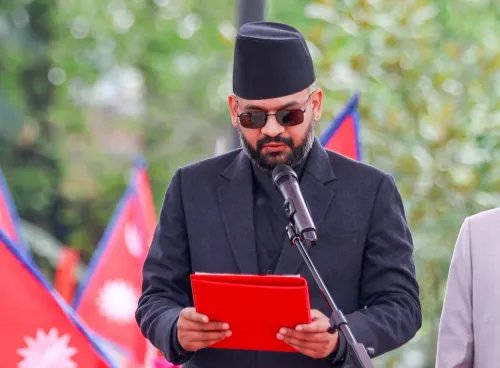
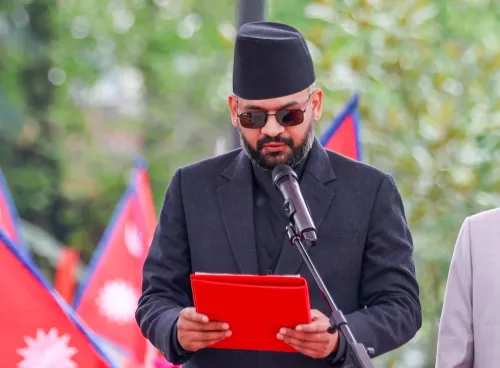
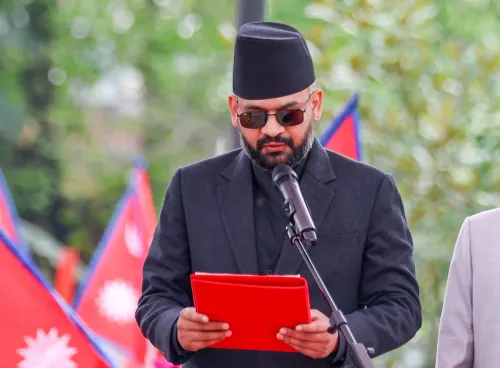
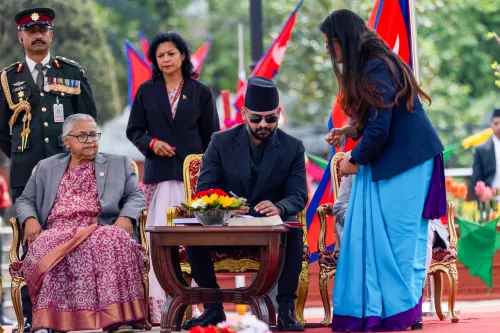
Nepal's Prime Minister Balendra Shah triggered a political storm on Sunday, 31 May when, during his first-ever address to the Nepal Parliament, he acknowledged that Nepal has also encroached on Indian territory in multiple locations — a startling admission that drew immediate fire from opposition lawmakers and demands for specifics.
The Admission That Shook Kathmandu
Shah made the remarks while fielding questions about India's alleged encroachment of the disputed Limpiyadhura, Lipulek, and Kalapani region — territories both India and Nepal claim sovereignty over, though the area has been under effective Indian control for decades.
'After becoming Prime Minister, I came to know that not only has India encroached on Nepal's land, but Nepal has also encroached on India's land in multiple places,' Shah said. 'Both sides should sit down and look into the matter.'
Notably, Shah declined to specify where Nepal had encroached on Indian land, prompting opposition lawmakers to immediately press for details. Some members went further, urging Speaker DP Aryal to expunge the Prime Minister's remarks from the parliamentary record.
Diplomatic Channels Already Engaged
On the broader border dispute, Shah confirmed that Nepal had already sent an official diplomatic note to India and received a formal response. He outlined the contours of India's reply, stating that both governments had agreed in principle to form joint teams comprising historians, surveyors, and territorial experts to seek resolution through structured talks.
'The response states that both governments will form teams comprising historians, surveyors and experts familiar with the territory and seek a resolution through table talks,' Shah said.
He also addressed a separate question on the India-China agreement to route Indian pilgrims to Kailash Mansarovar through the disputed Lipulek area, reiterating that Nepal had formally communicated its position to India on this matter as well.
UK Brought Into the Frame
In what is reportedly the first open acknowledgement of its kind, Shah disclosed that Nepal had also engaged in diplomatic discussions with China and the United Kingdom regarding the border dispute with India.
'We have spoken not only with India and China but also with the UK government. Our view is that the UK should also take an interest, as the issue dates back to the period when British India left the region,' Shah said.
This comes amid a broader diplomatic backdrop: the border dispute is widely regarded as one of the key irritants in India-Nepal bilateral relations, with the contested territories appearing on Nepal's revised official map issued in 2020.
Political Context and What Comes Next
Shah's remarks carry added significance given their timing. Rabi Lamichhane, President of Nepal's ruling Rastriya Swatantra Party (RSP), was scheduled to visit India on 1-2 June, just days after the parliamentary address. Meanwhile, a proposed visit by Prime Minister Shah himself to India remains uncertain.
Shah had previously drawn criticism for repeatedly bypassing Parliament despite opposition demands — making Sunday's address his first direct engagement with lawmakers since assuming office. Whether his candid disclosures ease or complicate the diplomatic path ahead remains to be seen.
Point of View
Not a throwaway remark. India will be watching how far Kathmandu intends to internationalise what New Delhi has consistently treated as a bilateral matter.
NationPress
14 Oct 2026
Frequently Asked Questions
What did Nepal PM Balendra Shah say about the India-Nepal border dispute?
Prime Minister Balendra Shah said that Nepal has encroached on Indian territory in multiple places, while also asserting that India has encroached on Nepali land. He made these remarks during his first address to Nepal's Parliament on 31 May, while responding to questions about the disputed Limpiyadhura, Lipulek, and Kalapani region.
What is the Kalapani, Lipulek, and Limpiyadhura dispute?
These are territories in the western Himalayas claimed by both India and Nepal. The region has been under effective Indian control for decades, but Nepal formally asserted its claim by including the areas on its revised official map in 2020, triggering a significant diplomatic row between the two neighbours.
How does India plan to resolve the border dispute with Nepal?
According to Shah, India's formal response to Nepal's diplomatic note states that both governments will form joint teams of historians, surveyors, and territorial experts to seek a resolution through structured table talks. No timeline has been announced.
Why did Nepal engage the UK on its border dispute with India?
Shah said Nepal approached the UK because the territorial dispute originates from the period of British India. He said Nepal's position is that the UK should take an interest given this historical context. This is reportedly the first time Nepal has openly acknowledged holding such discussions with London.
What is the political fallout from Shah's parliamentary remarks?
Opposition lawmakers immediately demanded that Shah disclose the specific locations where Nepal has encroached on Indian land. Some members called on Speaker DP Aryal to expunge the remarks from the parliamentary record. The controversy is compounded by the fact that this was Shah's first address to Parliament since taking office, despite repeated opposition demands.