Why Did the Bangladesh Verdict Reveal Gen-Z's Struggle for Political Victory?
Synopsis
A recent report sheds light on the challenges faced by Gen-Z protests in converting their momentum into political victories in Bangladesh and beyond. Despite inspiring movements across Asia, their efforts to influence elections have not yielded the expected results, raising critical questions about the future of youth-led political activism.
Key Takeaways
Gen-Z protests have not translated into political victories in Bangladesh.
The BNP won decisively, raising questions about reform.
Young leaders’ party, NCP , had a disappointing performance.
Political violence marred the electoral process.
The impact of Gen-Z movements is felt globally, but results vary.
Washington, Feb 16 (NationPress) A recent report has spotlighted the outcome of the Bangladesh elections, revealing how the wave of protests led by Gen-Z across various regions has struggled to convert these demonstrations into political victories at the polls or in policy-making.
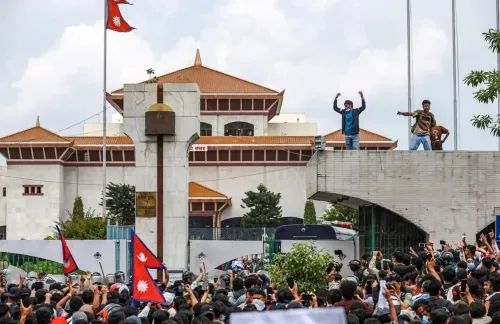
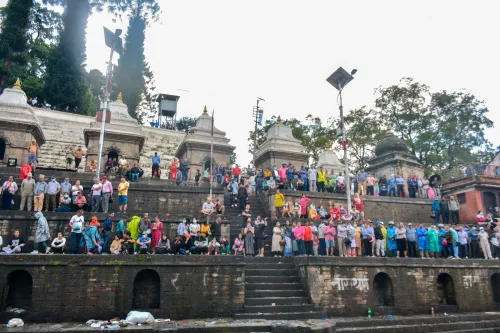
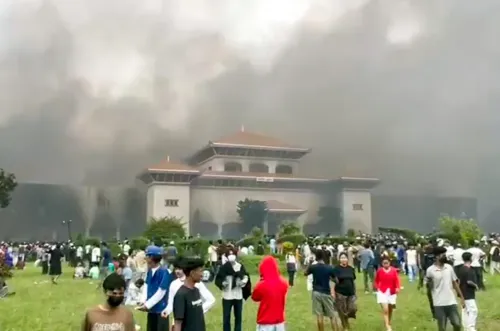
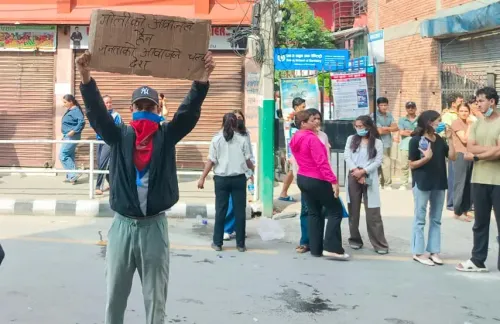
In an analysis for the American think tank Council on Foreign Relations (CFR), Joshua Kurlantzick, Senior Fellow for Southeast Asia and South Asia, pointed out that the protests in Bangladesh, which resulted in the ousting of former Prime Minister Sheikh Hasina in August 2024, represented one of the initial major successes of Gen-Z protests in Asia. This movement also inspired similar demonstrations in Nepal (where a Prime Minister was overthrown), Indonesia (where protests were halted), and other regions.
Kurlantzick noted that the influence of these protests extended to places like Madagascar, parts of Africa, and the Caribbean, signaling a global pattern of Gen-Z political activism that underscores their potential impact on politics worldwide.
However, despite the proliferation of Gen-Z protests, Kurlantzick remarked that they have not managed to translate their demonstrations into tangible political success at the polls or in shaping policy. He pointed out that recently, the People's Party, the most favored party among Gen-Z in Thailand, faced a significant defeat in national elections. Likewise, in Japan, the Liberal Democratic Party (LDP), known as the establishment party, overcame challenges from various Gen-Z-oriented parties, securing a substantial victory.
In Bangladesh, while Sheikh Hasina has been ousted, the significant victor of the election was not the party initiated by the young leaders of the protests or any reform-oriented party, but rather the BNP, the other half of the longstanding ruling duo. The BNP achieved a landslide victory but has not garnered much trust from the populace.
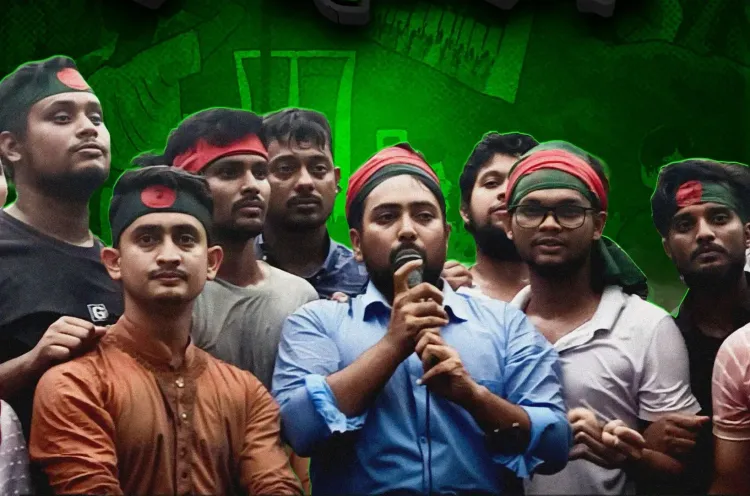
The National Citizen Party (NCP), established by student leaders from the 2024 protests, managed to secure only six out of the thirty parliamentary seats it contested, which Kurlantzick described as a 'very weak showing.'
In his analysis for CFR, Kurlantzick elaborated that by reinstating the BNP to power, the citizens of Bangladesh have overwhelmingly supported significant constitutional reforms aimed at defending democracy, expanding economic and political opportunities, and combatting corruption.
The pressing question now is whether the BNP, poised to dominate the parliament, will implement these reforms.
The actions of the BNP will determine if the party has genuinely transformed, and if they falter, Kurlantzick warns that Bangladeshi politics may continue to grapple with the same issues as before.
“The Jamaat-e-Islami, an Islamist party that tried to rebrand for this election but has a history of being associated with political violence and holds misogynistic views, came in second. While this election was largely free and fair, it was preceded by a troubling series of politically motivated killings and other violence, a pattern all too familiar in Bangladesh,” he further observed.
Point of View
I believe that the struggles of Gen-Z in translating their activism into political success highlight a critical juncture in modern political movements. While their passion is undeniable, effective strategies must evolve to ensure that these voices can influence policy and governance meaningfully.
NationPress
24 Sept 2026
Frequently Asked Questions
What was the main finding of the report on Gen-Z protests in Bangladesh?
The report highlighted that despite the proliferation of Gen-Z protests, they have struggled to convert their demonstrations into political success at the ballot box and in policymaking.
Who authored the report on Bangladesh's election results?
The report was authored by Joshua Kurlantzick, a Senior Fellow for Southeast Asia and South Asia at the Council on Foreign Relations.
What was the outcome of the recent elections in Bangladesh?
The elections saw the BNP winning by a landslide, while the party founded by young leaders from the protests secured only six out of 30 contested seats.
How did the BNP's victory affect the political landscape in Bangladesh?
The BNP's return to power raises questions about whether they will implement significant constitutional reforms aimed at improving democracy and curbing corruption.
What does the report suggest about the future of Gen-Z activism?
The report suggests that while Gen-Z has shown potential for political mobilization, they must develop more effective strategies to translate activism into electoral success.