What’s at Stake for Nepal After the Parliamentary Election Results?
Synopsis
As Nepal prepares for its March 5 election, the stakes couldn't be higher. Will the youth-led movement reshape the political landscape or will traditional leaders retain their grip? With new candidates emerging and a million new voters registered, the outcome could redefine Nepal's future. Stay tuned as we delve into this pivotal moment.
Key Takeaways
Nepal's parliamentary election is on March 5.
Youth-led protests have significantly impacted political dynamics.
New candidates aim to represent the aspirations of the younger generation.
The election could redefine Nepal's political landscape.
International relationships may shift based on election outcomes.
New Delhi, Feb 21 (NationPress) As Nepal prepares for its parliamentary election on March 5, the formal campaign officially commenced on February 16, featuring public gatherings, rallies, and loudspeaker announcements, all scheduled to conclude three days prior to the election day.
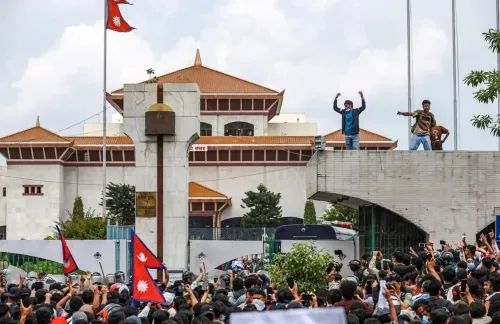
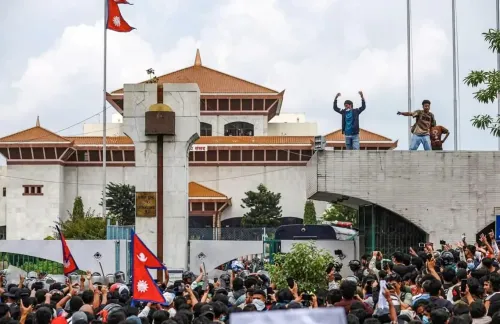
This election is poised to be one of the most pivotal since the end of the monarchy in 2008. It follows the youth-driven Gen Z anti-corruption protests last year that resulted in the ousting of K. P. Sharma Oli's government and the dissolution of parliament.
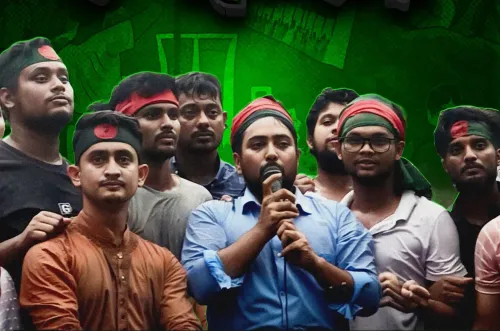
The upcoming election is being viewed as an essential benchmark to determine if Nepal's younger citizens can significantly alter the political framework and diminish the influence of long-standing leaders. The Gen Z protests of September 2025 are marked as a transformative event in Nepal, primarily organized via social media platforms.
Protesters called for accountability, transparency, and economic reform. A number of candidates emerging from this movement are vying for seats, aiming to echo the hopes of Nepal's youthful demographic. They are optimistic that with nearly a million new voters registered since 2022, the youth vote might have a pivotal impact on the results.
A prominent contender is Balendra Shah, commonly referred to as “Balen”, a former Mayor of Kathmandu, who is 35 years old and represents the Rastriya Swatantra Party (RSP), established by ex-television host Rabi Lamichhane in 2022.
Balen, an engineer and rapper turned politician with a strong connection to the youth, is being seen as a potential future Prime Minister as he faces Oli in the latter's stronghold of Jhapa-5 constituency.
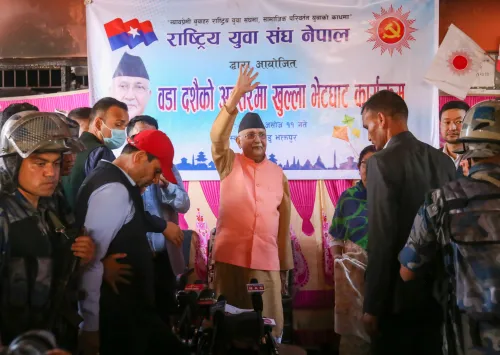
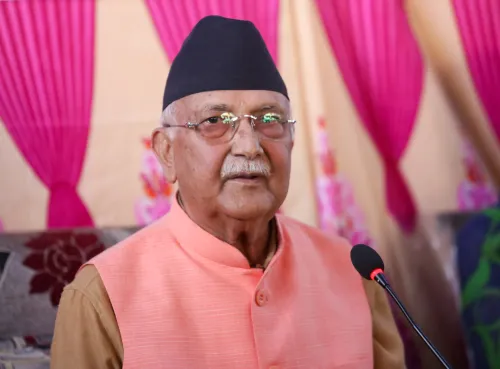
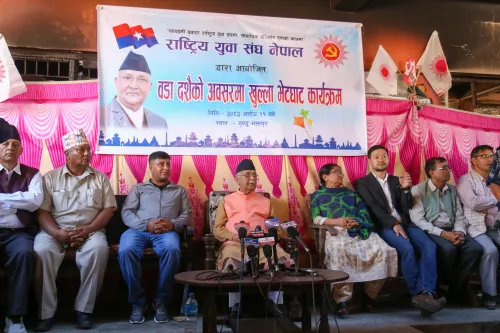
Meanwhile, the 73-year-old Oli continues to lead the Communist Party of Nepal (Unified Marxist Leninist) and remains a significant player in the political arena.
Pushpa Kamal Dahal 'Prachanda', another former Prime Minister at 71, heads a coalition of Left parties under the Nepali Communist Party (NCP).
The Nepali Congress, the nation's oldest political party, is now led by Gagan Thapa, 49, signifying a shift in generational leadership from former Prime Minister Sher Bahadur Deuba, who will turn 80 this June.
The Rastriya Prajatantra Party (RPP), which supports monarchist views, is also in the mix, with former king Gyanendra Shah still holding some support.
Historically, Nepal was ruled by the Shah dynasty for 240 years until the constitutional monarchy and multiparty democracy were established following the 1990 People’s Movement.
After reaching a peace accord with Maoist insurgents in 2006, Nepal transitioned to a federal democratic republic in 2008. Since then, the nation has faced political instability, frequent governmental changes, and corruption scandals.
The 2026 election is seen as a vital opportunity to strengthen democracy and empower a new generation of leaders. This election will determine whether Nepal will remain under the sway of long-standing politicians or shift towards the ideals of Gen Z activists and reformers, thus influencing the future diplomatic stance of the Himalayan nation.
New Delhi has cultivated a longstanding and reliable relationship with Kathmandu, bolstered by consistent high-level exchanges. Cooperation spans economic, trade, power, and various social, cultural, and educational domains.
Recently, China has expanded its presence in Nepal, particularly under previous Maoist administrations, largely through its ambitious Belt and Road Initiative (BRI), which began with agreements starting in 2017.
During his December 2024 visit to Beijing as Prime Minister, Oli signed a framework agreement with China for BRI cooperation, aimed at directing future projects and collaborations under the BRI—encompassing infrastructure development and economic partnerships—with a three-year validity and the potential for extension.
However, significant delays in project implementation have raised concerns, as no major initiatives have yet been finalized, prompting worries about the efficacy of the BRI.
Additionally, apprehension exists among certain segments of the Nepalese population regarding the financial ramifications of these projects, especially in light of Sri Lanka's economic struggles linked to similar Chinese investments.
Point of View
It is imperative to recognize the significance of this election in Nepal's democratic journey. The youth's push for change reflects a broader call for accountability and reform. Navigating between old and new political ideologies will be crucial for Nepal, and it is essential for the electorate to make informed decisions that align with their aspirations.
NationPress
28 Sept 2026
Frequently Asked Questions
What is the date of the parliamentary election in Nepal?
The parliamentary election in Nepal is scheduled for March 5.
What significant protests occurred prior to the election?
The Gen Z anti-corruption protests last year led to the ousting of the K. P. Sharma Oli government.
Who is a prominent candidate in the upcoming election?
Balendra Shah, also known as 'Balen', is a key candidate representing the Rastriya Swatantra Party.
What are the main issues being addressed in this election?
The election focuses on accountability, transparency, and economic reform, driven largely by youth activism.
How might this election affect Nepal's international relations?
The outcome could influence Nepal's diplomatic stance, particularly in relation to India and China.