Is Nepal’s Former PM KP Sharma Oli Ready for the March 5 Election?
Synopsis
As Nepal gears up for the March 5 elections, former PM KP Sharma Oli is back in the political arena, unlike Bangladesh’s Sheikh Hasina, who is in exile. This article explores the contrasting political landscapes in both countries amid youth-led protests and significant governmental upheaval.
Key Takeaways
Political unrest in Nepal arose from social media bans.
KP Sharma Oli is campaigning for the elections on March 5.
In Bangladesh, Sheikh Hasina is in exile and facing political challenges.
Youth movements are significantly influencing both political environments.
The outcomes of these elections could reshape governance in both nations.
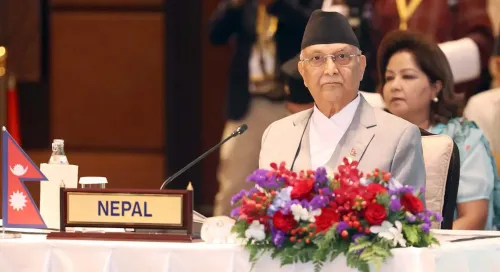
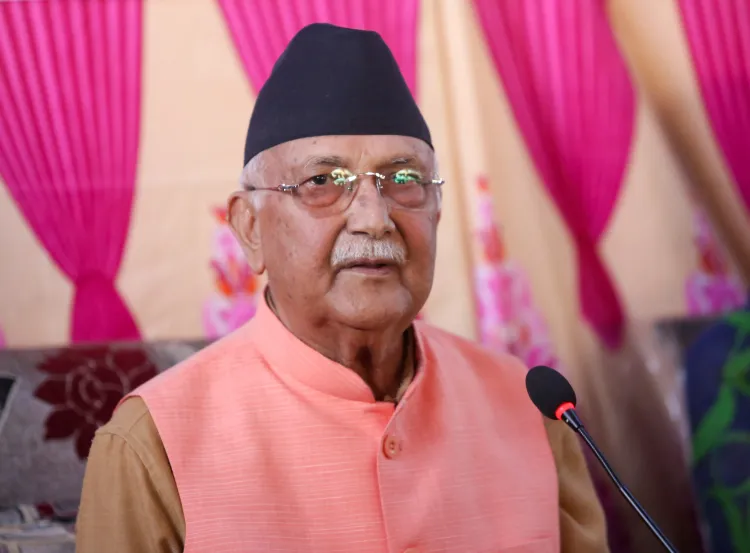
New Delhi, Feb 18 (NationPress) As Nepal prepares for its upcoming general election on March 5, former Prime Minister KP Sharma Oli is set to be among the candidates vying for leadership in the small Himalayan nation. This contrasts sharply with Bangladesh, where former premier Sheikh Hasina was forced to escape and seek asylum in India.
Both nations have experienced governmental upheaval due to youth-led protests; however, the extent of unrest appears to have been more pronounced in Nepal, as highlighted by various reports.
The turmoil in Nepal emerged last year when the government imposed a ban on 26 social media platforms, including Facebook, Instagram, WhatsApp, YouTube, and Snapchat, citing their lack of registration with local authorities.
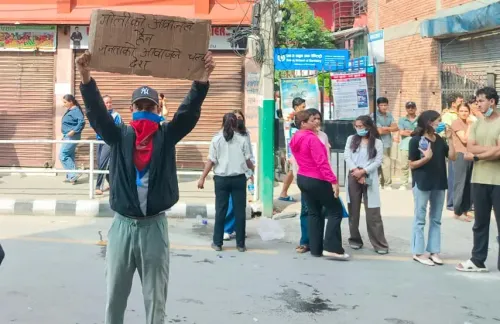
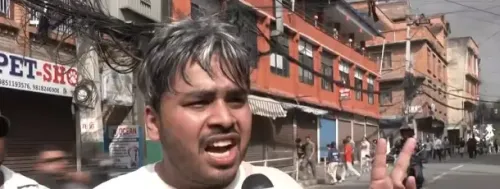
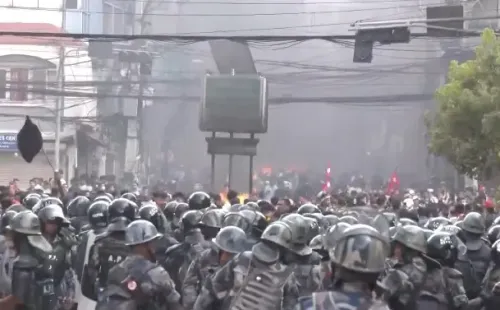
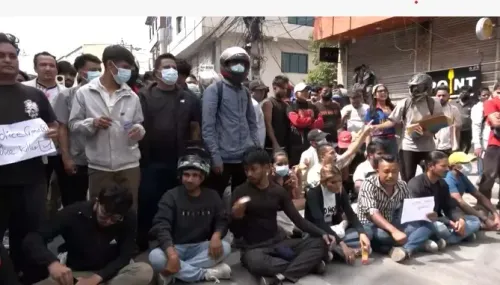
Students and youth organizations rallied against the government, accusing it of attempting to stifle public criticism and dissent. Protests quickly spread from Kathmandu to various parts of Nepal.
Reports indicate that at least 19 individuals lost their lives and over 300 sustained injuries in confrontations with law enforcement. Although the government eventually lifted the ban on social media platforms, the damage had already been done.
The political landscape was left in disarray, with Oli resigning on September 9.
There were rumors that he had fled the country; however, it was later revealed that he and some associates had taken refuge in an army barracks in Shivapuri amid the peak of the Gen Z protests in September 2025.
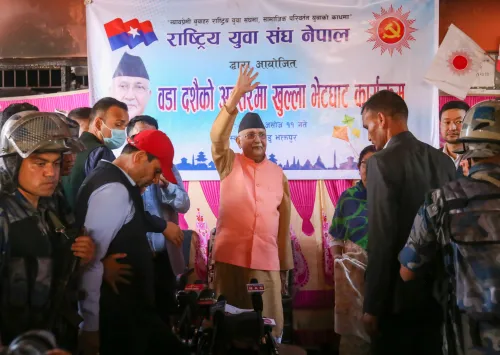
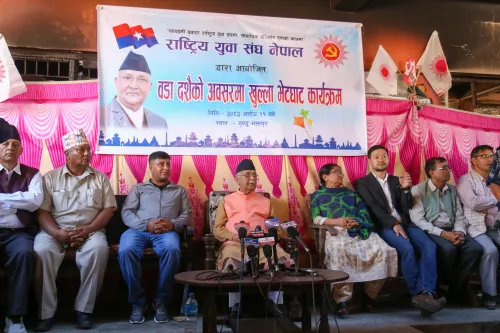
The 73-year-old leader of the Communist Party of Nepal (Unified Marxist–Leninist) is reportedly engaging in extensive grassroots campaigning, addressing citizens' concerns, and seeking their votes, as reported by the Kathmandu Post on Wednesday.
In contrast, a parliamentary election recently took place in Bangladesh without the presence of the 78-year-old Sheikh Hasina, who is currently barred from political activities and facing a death sentence while in exile.
Her departure in August 2024 followed a wave of intense protests and constitutional reform discussions that captured the public's attention.
With Hasina out of the picture, new political factions and alliances are emerging in an environment characterized by heightened security, conflicting narratives about legitimacy, and rigorous media coverage.
The outcomes of these elections will have significant implications for party alignments, constitutional reforms, and Bangladesh's foreign relations. The issues of domestic reconciliation and the legal status of exiled leaders are likely to remain contentious political topics. Reports of intimidation and violence against political opponents, particularly targeting Awami League supporters, have been prevalent, leaving minorities fearful after several instances of lynchings and brutal killings.
Both countries have witnessed violence stemming from youth protests that led to governmental changes and the dissolution of Parliaments, but the context and stakes differ markedly.
The interim government in Bangladesh is urging voters to participate not only in parliamentary elections but also in a national referendum concerning the July National Charter, a comprehensive set of constitutional reforms aimed at restoring institutional checks and balances.
Conversely, the electoral process in Nepal is primarily framed as a measure of political accountability and a means to restore a fully functioning legislature to address calls for change.
The youth movement in Nepal has been distinctly electoral, promoting new political entities and independent candidates who offer alternatives to the entrenched political elites.
Point of View
It is essential to maintain an unbiased perspective. The unfolding political scenarios in Nepal and Bangladesh highlight a critical intersection of youth activism and governance, emphasizing the need for accountability and dialogue in both nations. The contrasting paths taken by their leaders reveal significant implications for democracy and political stability in the region.
NationPress
24 Sept 2026
Frequently Asked Questions
What led to the recent political unrest in Nepal?
The unrest in Nepal was triggered by a government ban on social media platforms, which sparked widespread protests among students and youth groups, demanding freedom of expression and political accountability.
How does the situation in Bangladesh differ from that in Nepal?
While both countries faced youth-led protests leading to governmental changes, Bangladesh's former PM Sheikh Hasina has been exiled, whereas Nepal's KP Sharma Oli is actively campaigning for the upcoming elections.
What are the potential implications of the elections in Nepal?
The elections in Nepal are seen as a crucial test for political accountability and restoring a functioning legislature, which could significantly influence the nation's governance and responsiveness to public demands.
What challenges do political leaders face in both countries?
Both Nepal and Bangladesh face challenges such as political instability, public dissent, and the need to address demands for constitutional reforms and accountability in governance.
What is the role of youth movements in the political landscape?
Youth movements in both nations have become vital forces for change, advocating for reform and challenging established political elites, thereby reshaping the political landscape.