Youth Movements Transform Political Landscapes in South Asia
Synopsis
In South Asia, contrasting political fates unfold as youth-led protests spark regime changes in Bangladesh and Nepal. While Sheikh Hasina faces exile and a death sentence, K.P. Sharma Oli is back in the electoral race. Discover the stories behind these powerful movements shaping the region's future.
Key Takeaways
Youth-led protests in South Asia have resulted in significant political changes in Bangladesh and Nepal.
Sheikh Hasina is currently in exile, facing a death sentence.
Sharma Oli is contesting elections after being ousted from power.
The Gen Z Movement in Nepal was sparked by social media censorship.
Demands for transparency and democratic reforms are central to these movements.
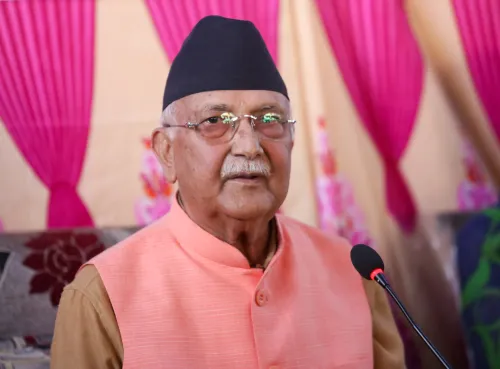
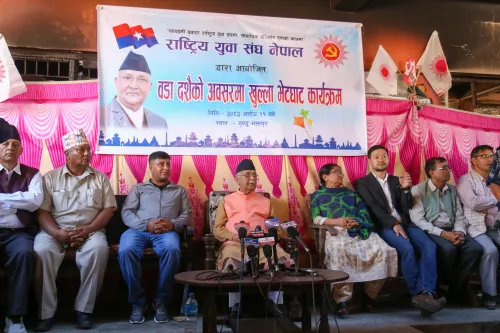
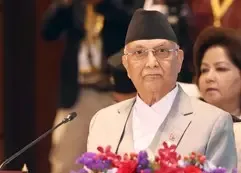
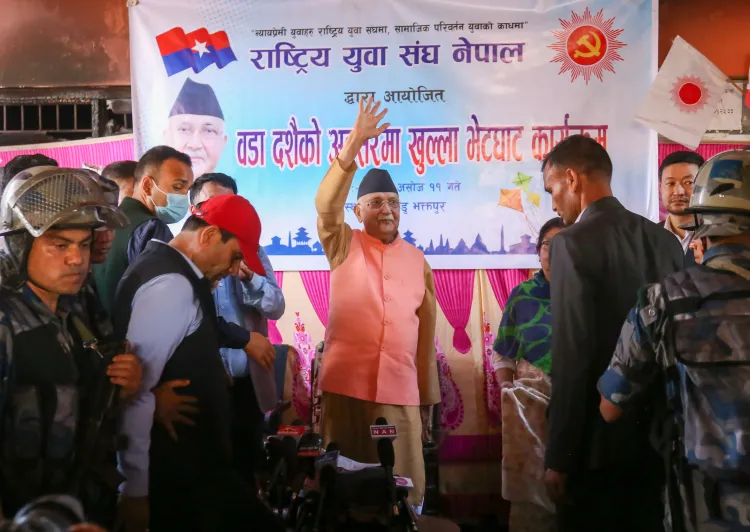
Kathmandu, March 4 (NationPress) In South Asia, two significant youth-driven uprisings have resulted in regime shifts across nations adjacent to India. In Bangladesh, former Prime Minister Sheikh Hasina finds herself in exile, facing a death sentence and her party prohibited from political activities. Meanwhile, to the north in Nepal, the ousted Prime Minister K.P. Sharma Oli is once again vying for election this Thursday.
"While I may disagree with his actions and wish for him to be disqualified, we must all respect the constitution and the law," stated Amrita Ban, a Gen Z activist from Kathmandu.
"Certain principles must be upheld, regardless of personal feelings," she added thoughtfully.
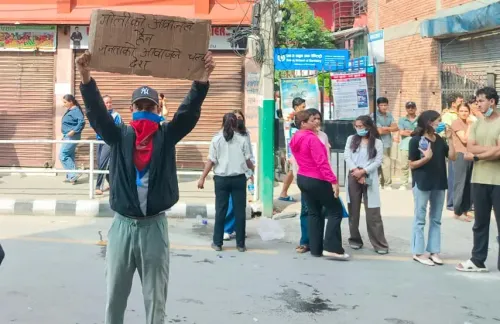
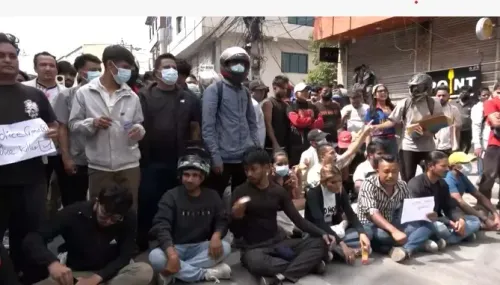
The 23-year-old was a leading figure during protests in early September last year, when youths rallied against a social media ban imposed by Oli's government.
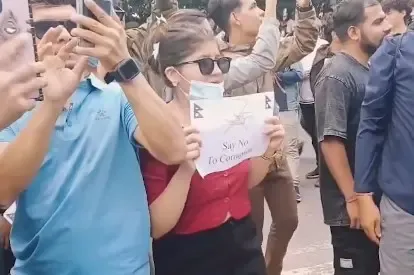
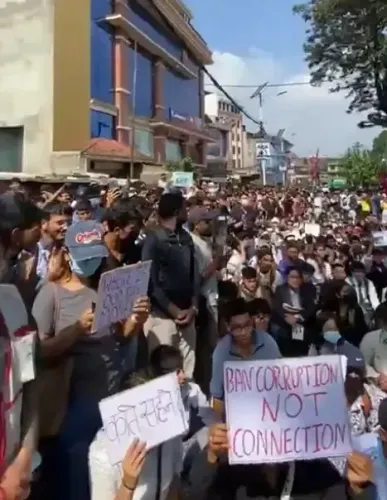
The 'Gen Z Movement' of 2025 in Nepal was a youth-led insurrection triggered by the prohibition of major social media platforms by the Oli administration. What began as a peaceful demonstration rapidly transformed into a nationwide movement addressing issues of corruption, unemployment, censorship, and political inertia.
Young activists, equipped with digital skills and global perspectives, orchestrated rallies, artistic initiatives, and symbolic demonstrations of defiance. The movement underscored the generational discontent with systemic inequities and the scarcity of prospects.
Despite facing severe crackdowns, the protesters upheld their demands for transparency, freedom of expression, and democratic reforms, marking a crucial chapter in Nepal’s contemporary political and social narrative.
Ban was profoundly affected by the security forces' retaliatory shooting on September 8, an event that remains vivid in her memories.
"One of the casualties that day was a schoolboy… fatally shot," she recalled with a tremor.
When asked how she survived, she replied, "It was fate; but more importantly, my parents' love, I believe."
Meanwhile, over 400 kilometers southeast of Kathmandu, 25-year-old Balram Kharke is diligently coordinating Gen Z activists for election support for their idol, Balendra Shah. The 35-year-old engineer-turned-rapper-turned-politician, widely known as Balen, is a candidate from the Rastriya Swatantra Party (RSP) contesting against Oli in his stronghold of Jhapa-5 constituency.
"Nepal is a democratic nation, where the rule of law is paramount," Kharke stated.
"Some might argue that the former Prime Minister is exerting influence, yet we believe Oli has every right to run as a citizen and a political figure in Nepal," he asserted.
"Until proven guilty in a court of law, we cannot exclude him from the electoral process," Kharke emphasized.
He echoed sentiments shared by numerous Millennial protesters, stating that their involvement was not to lead the protests but to organize and safeguard the Gen Z demonstrators from chaos.
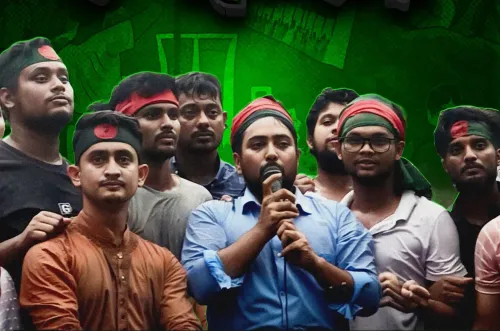
Conversely, former Bangladeshi Prime Minister Sheikh Hasina, ousted in August 2024 during a student-led protest, fled to India and has since been sentenced to death in absentia for crimes against humanity.
In November 2025, the International Crimes Tribunal (ICT) in Dhaka sentenced her to death in absentia for her alleged role in deploying lethal force against student demonstrators during the unrest.
Her party, the Awami League, has been prohibited from participating in the recent elections, having been banned from all political activities by the interim government.
Two independent nations, yet the narratives of the two ousted leaders present a stark contrast in South Asia.
Point of View
It's imperative to recognize the profound implications of these youth-driven movements in South Asia. The contrasting political fates of Sheikh Hasina and K.P. Sharma Oli reflect a broader struggle for democratic principles and accountability in the region.
NationPress
23 Sept 2026
Frequently Asked Questions
What led to the regime change in Bangladesh?
The regime change in Bangladesh was primarily driven by a student-led movement that resulted in the ousting of former Prime Minister Sheikh Hasina.
Who is K.P. Sharma Oli?
K.P. Sharma Oli is a former Prime Minister of Nepal who has recently returned to contest in elections following his ousting.
What sparked the Gen Z Movement in Nepal?
The Gen Z Movement in Nepal began as a response to the government’s ban on social media, escalating into broader protests against corruption and censorship.
What consequences did Sheikh Hasina face after her removal?
After her removal, Sheikh Hasina fled to India and was sentenced to death in absentia for crimes against humanity.
What are the main demands of the youth movements in South Asia?
The youth movements primarily demand transparency, freedom of speech, and significant democratic reforms.