Is the US Excited About Bangladesh's Upcoming Elections?
Synopsis
As Bangladesh prepares for its elections, the United States expresses excitement about this pivotal moment. With lawmakers discussing how to support democratic transitions, the upcoming vote is seen as a significant turning point for US-South Asia relations. Will this usher in a new era of governance and cooperation?
Key Takeaways
The US is optimistic about Bangladesh's elections as a new chapter in South Asia.
Lawmakers emphasize the significance of supporting democratic transitions.
Concerns persist regarding the administration's approach to democracy assistance.
Bangladesh's election outcome will influence US engagement in the region.
Strategic positioning in Indo-Pacific competition is critical.
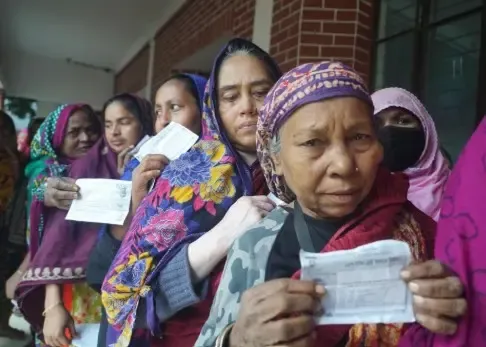
Washington, Feb 12 (NationPress) The United States has shown enthusiasm regarding the upcoming elections in Bangladesh, viewing the vote as the beginning of a new chapter in its relations with South Asia, while lawmakers discussed how the US should assist in democratic changes across the region.
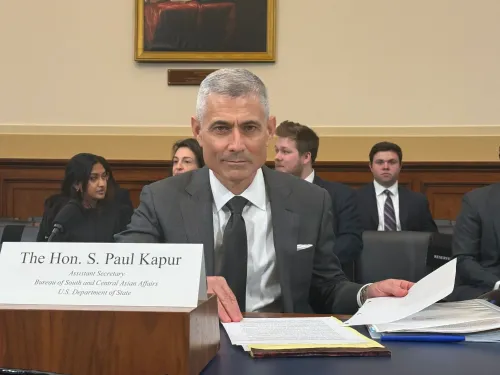
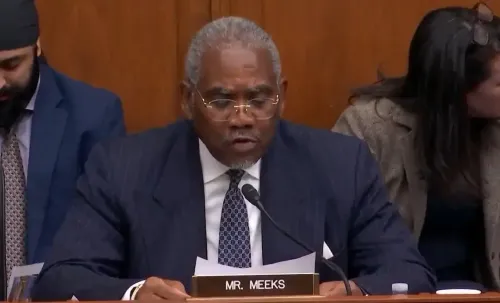
During a testimony before a House subcommittee on South and Central Asia on Wednesday (local time), Paul Kapur, Assistant Secretary of State for South and Central Asian Affairs, stated that the government anticipates a smooth electoral process.
“We’re very excited about it. Our communications with the interim government indicate they possess a strong awareness of their responsibilities to ensure this proceeds in a secure and peaceful manner. We hope for this outcome and expect it,” Kapur informed the lawmakers.
“We look forward to partnering with whatever government emerges from this election,” he added.
Subcommittee Chair Bill Huizenga characterized the election as part of a larger political reset in the region.
Huizenga expressed that these developments, along with changes in neighboring nations, represent significant turning points.
“Both of these situations provide new opportunities for engagement in South Asia and will define US relations with these new administrations,” he stated.
Democratic Ranking Member Sydney Kamlager-Dove added more context, highlighting the constitutional implications of the election.
“Tomorrow, Bangladesh will cast its votes to establish a new constitution and select its leadership for the first time since Sheikh Hasina’s removal,” she said.
“These crucial political changes offer a rare chance for the US to strategically utilize our democracy assistance in response to the growing regional demand for accountable governance,” Kamlager-Dove further mentioned.
However, she voiced concerns regarding the administration’s overall approach to democracy support.
“The State Department’s dismissal of democracy initiatives and the drastic reduction of USAID have deprived us of essential tools required to advance our interests,” she commented.
Kapur reaffirmed the administration’s willingness to engage positively.
This exchange highlighted both bipartisan acknowledgment of Bangladesh’s strategic significance and differing perspectives on how the United States should allocate its diplomatic and development resources to foster democratic processes.
Bangladesh, being one of the most populous nations in South Asia and a crucial player in the economic and security dynamics of the Bay of Bengal, occupies a sensitive geopolitical position amid the broader Indo-Pacific competition.
Lawmakers from both sides suggested that the outcome of the election will influence Washington’s next phase of engagement in the region.
Point of View
It's essential to recognize Bangladesh's critical juncture. The elections present an opportunity for democratic renewal, and the US's engagement can significantly impact regional stability. We must approach this with a commitment to supporting democratic principles while respecting the nation's sovereignty.
NationPress
30 Sept 2026
Frequently Asked Questions
What are the implications of the US involvement in Bangladesh's elections?
The US involvement signifies a commitment to supporting democratic processes, which could promote stability and governance in the region.
How does Bangladesh's election impact its relations with neighboring countries?
The outcome of Bangladesh's elections could influence its diplomatic relations and collaborations with neighboring nations, impacting regional dynamics.
What challenges might arise from these elections?
Potential challenges include ensuring a fair electoral process, addressing concerns about governance, and managing international expectations.