Is India Concerned About Potential Delays in Nepal's Elections?
Synopsis
With political instability looming in Nepal, India is highly concerned about external influences that could disrupt peace in the region. The urgency for elections grows as the interim government faces rising tensions, corruption allegations, and economic distress. Will a new government emerge to safeguard democratic processes and maintain stability?
Key Takeaways
India is monitoring Nepal's political stability closely due to shared borders.
External influences may disrupt Nepal’s democratic process.
There is a pressing need for elections to prevent chaos.
The youth in Nepal are facing significant economic challenges .
The ISI's activities pose risks to regional security .
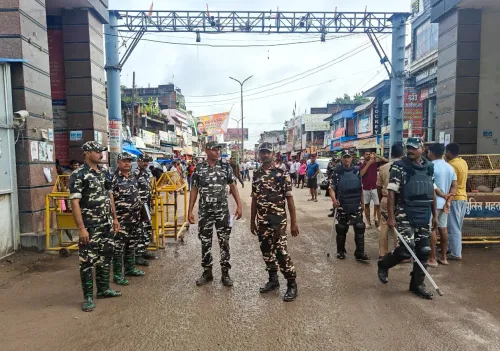
New Delhi, Oct 28 (NationPress) India is closely monitoring the unfolding political situation in Nepal, given that maintaining stability in the nation is vital due to the shared 1,700-kilometre border between the two countries.
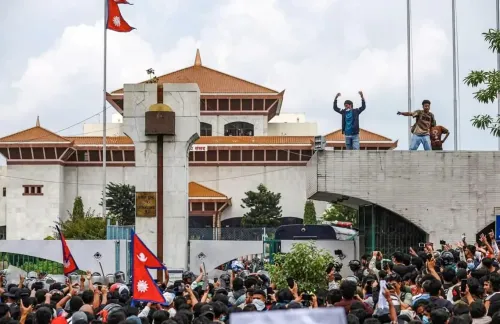
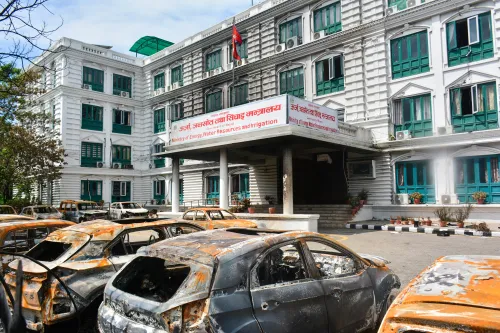
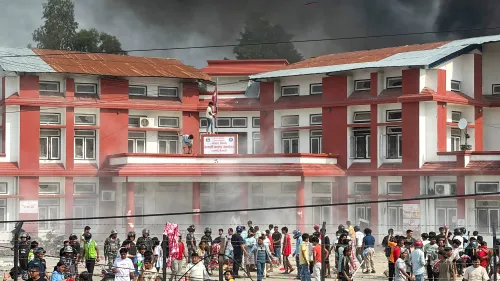
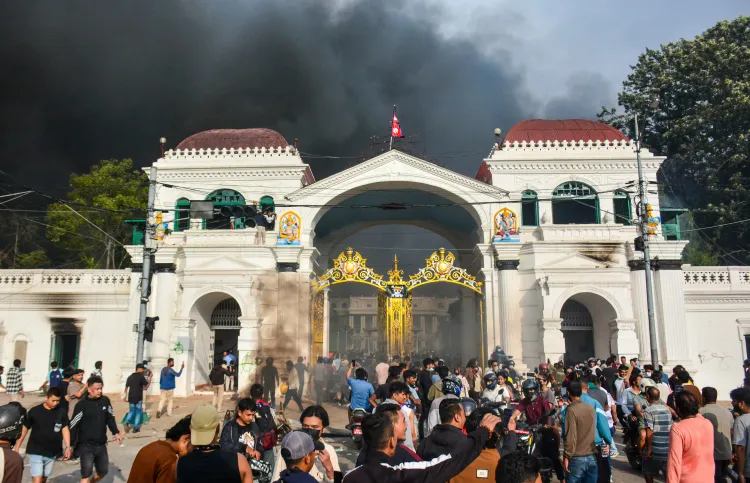
Officials indicate that India is cautious about potential external influences in Nepal, underscoring the need for elections to be conducted promptly. An interim government currently governs, set up after the Gen Z protests, which tragically resulted in the loss of 73 lives. The government led by K. P. Oli was ousted due to these protests.
Indian intelligence agencies are concerned that foreign entities are attempting to engineer a political vacuum in Nepal. A prolonged caretaker government could provide opportunities for countries like China to exert influence through economic and infrastructural initiatives.
Additionally, various external actors are trying to manipulate Maoist sentiments within Nepal. If these attempts succeed, the nation risks descending into turmoil, leading to significant instability that could be exploited by other nations.
Indian officials emphasize that their top priority is to avert chaos in Nepal. Therefore, it is crucial for the political process to commence and for elections to occur without delay.
While a caretaker government may hold some accountability, it lacks the same level of responsibility that a democratically elected government would have, as the latter must answer to the populace and confront them during elections.
The Gen Z movement, primarily composed of students, succeeded in forcing Oli’s resignation, yet such protests cannot be a frequent occurrence.
India's concerns are amplified by the potential postponement of elections in Nepal, with efforts allegedly underway to shift the elections to May or June instead of the expected March 2026.
There are claims that some political parties are being weakened intentionally, allowing others an advantage when elections are finally held. Several leaders have reported receiving threats, raising fears that the democratic process might be compromised.
Currently, Nepal's economy and job market are in dire need of repair. If not addressed, the younger generation suffers the most. Youth have expressed discontent over the economic distress and lack of job opportunities, holding the Oli administration accountable for inaction. They accuse the ruling class of corruption while leading lavish lifestyles, leaving the youth struggling to find work.
Another official warned that if the situation does not improve, the likelihood of renewed violence is high. While external entities may seek to take advantage of the chaos, it also creates significant issues at the Indian border.
Compounding these challenges is the ISI, which exploits the Nepal-India border as a corridor for criminals and terrorists. Historically, this border has remained peaceful, and India is keen to maintain that status.
Indian security forces are already managing tense borders, sharing a boundary with Pakistan in Punjab and Jammu and Kashmir. Furthermore, the borders with China are strained, while developments in Bangladesh have increased the operational burden on the Indo-Bangla border forces.
Following the protests, external actors attempted to sustain the violence. However, once Oli was removed, the army intervened, siding with the protesters, acknowledging the validity of their demands. The army also allowed the protesters to determine the caretaker prime minister.
In light of the fragile circumstances, India is hopeful that a new government will be established soon to mitigate any potential external influence.
Point of View
It is imperative to recognize the delicate balance of power in South Asia. India's vigilance over Nepal's political landscape reflects not just concern for a neighboring nation, but also the broader implications for regional stability. A strong, democratically elected government in Nepal is essential to counteract external influences and ensure lasting peace.
NationPress
15 Oct 2026
Frequently Asked Questions
Why is India concerned about Nepal's elections?
India is worried that delays in Nepal's elections could lead to external influences, particularly from countries like China, which may destabilize the region.
What is the current political situation in Nepal?
Nepal currently has an interim government following protests that led to the ousting of K. P. Oli. There are concerns about potential election delays.
How could external influences affect Nepal?
External influences could exploit political vacuums to implement their agendas, potentially destabilizing Nepal and impacting India's security.
What challenges does Nepal's youth face?
The younger generation in Nepal is struggling with economic distress and a lack of job opportunities, leading to dissatisfaction with the current political leadership.
What role does the ISI play in the region?
The ISI reportedly uses the Nepal-India border for criminal and terrorist activities, posing a threat to regional security.