Is Nepal's Commission Investigating Gen-Z Protests Summoning Former HM and Planning to Question Oli?
Synopsis
The Nepali government's inquiry commission probing the Gen-Z protests is summoning key political figures, including former Home Minister Ramesh Lekhak and potentially former PM K P Sharma Oli. With allegations of bias and human rights violations, the commission's findings could have significant implications for Nepal's political landscape.
Key Takeaways
Inquiry commission investigates Gen-Z protests.
Former Home Minister Ramesh Lekhak summoned for testimony.
Ex-PM K P Sharma Oli faces scrutiny and allegations of bias.
Investigation to address human rights violations .
Government expands commission's mandate through agreement.
Kathmandu, Dec 23 (NationPress) The high-level inquiry commission established by the Nepali government to examine the events surrounding the Gen-Z protests that took place in early September has commenced summoning prominent political figures who were part of the ruling administration during that period.
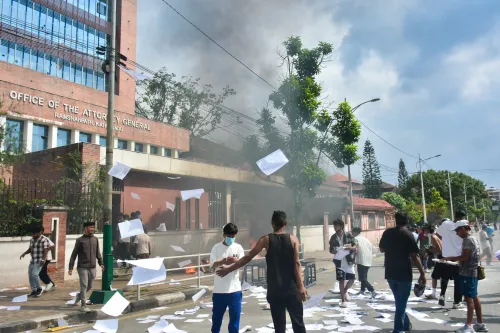
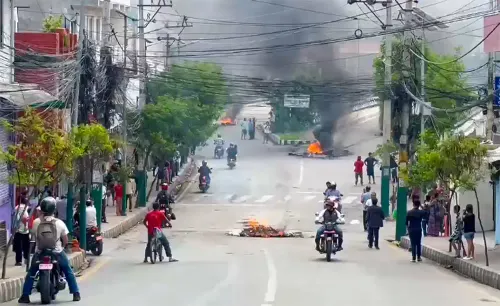
On Tuesday, the commission called upon former Home Minister Ramesh Lekhak to provide his testimony regarding his involvement during the Gen-Z movement, which resulted in the tragic loss of 77 lives and damage to property estimated at NPR 84.45 billion, according to official figures.
At the onset of the Gen-Z movement on September 8, Lekhak was serving as Home Minister in the government led by K P Sharma Oli. He resigned on the same day after numerous individuals were killed during police shootings.
Commission Chairperson Gauri Bahadur Karki informed IANS, "We have sent a notice to Lekhak requesting his appearance before the commission on Friday to provide his statement."
The inquiry panel has already gathered statements from most individuals purportedly involved in the incidents that occurred on September 8 and 9. It is now preparing to hear from Lekhak and former Prime Minister K P Sharma Oli as the concluding step.
"A decision regarding the summoning of former Prime Minister Oli has not yet been made," Karki mentioned.
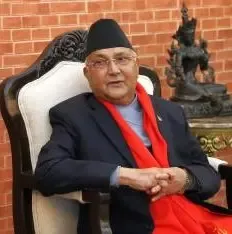
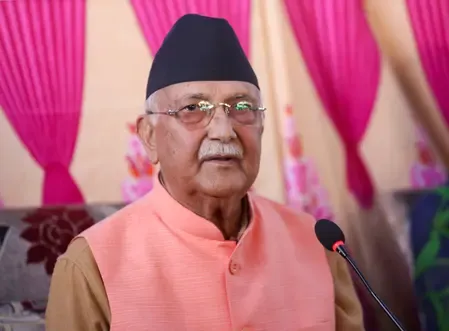
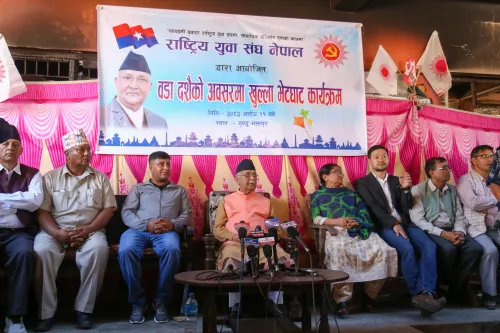
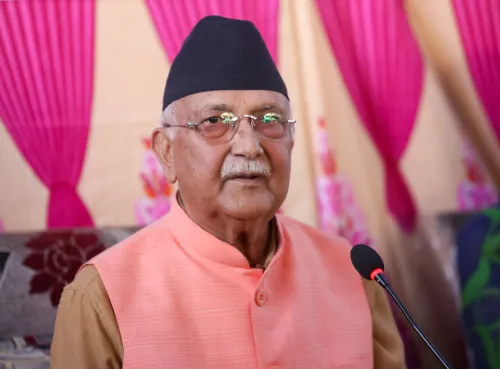
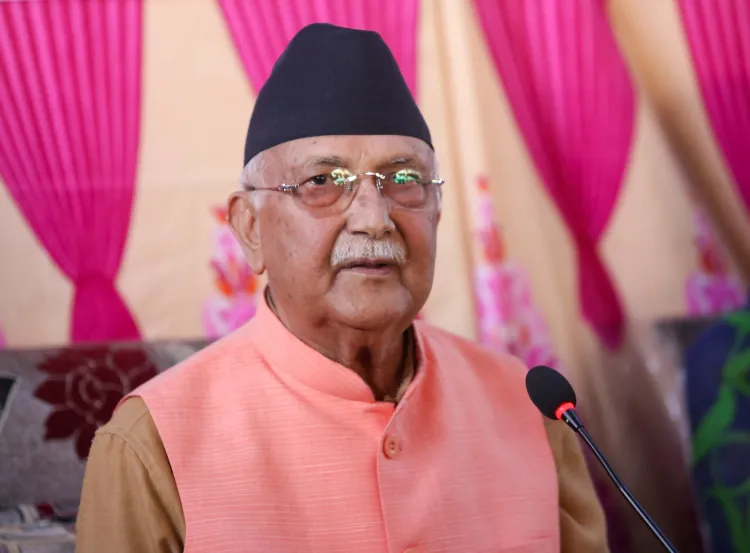
Oli has been vocally critical of the commission, accusing it of partiality, and has asserted that he will not come forward to provide his testimony.
In a recent interview with local Himalayan Television, the former Prime Minister reiterated his refusal to attend the commission, claiming that its chair had already declared its conclusions. "The current Prime Minister and the commission's chairperson have implicated me, stating that actions should be taken against me. Why should I give a statement when they have preemptively announced the outcome?" he questioned.
As Oli continues his critiques of the commission, the government signed an agreement with Gen-Z groups on December 10, which broadened the commission’s mandate.
Under this agreement, the commission will conduct a thorough investigation into allegations of human rights violations, including extrajudicial killings stemming from excessive force during the protests, to uncover the truth and recommend criminal accountability.
Based on assessments and investigations, if any individual is found not to be involved in homicide or other serious crimes that may have been orchestrated by a criminal group, the commission can suggest to the government that such individuals be released from custody and that the cases against them be dismissed.
As law enforcement apprehended several demonstrators accused of vandalizing both government and private property, Gen-Z groups have voiced concerns regarding these arrests. This has provided further ammunition to Oli and his party, the Communist Party of Nepal (Unified Marxist–Leninist), to charge the current government with targeting him for criminal inquiries while allowing those responsible for vandalism and arson to evade consequences.
The commission, which had its tenure extended by a month last week, has been documenting statements from officials of the Ministry of Home Affairs, security personnel, and others associated with the crackdown.
“We are currently recording the statement of the serving Inspector General of Police, Dan Bahadur Karki, who was previously the head of the Kathmandu Valley Police Office. We have also collected statements from Nepal Army officials,” Commission Chairperson Karki stated.
Point of View
It is crucial to present an unbiased view of the ongoing investigation into the Gen-Z protests. The inquiry commission's efforts to uncover the truth behind the tragic events are commendable, yet the political ramifications are complex. The involvement of influential leaders like K P Sharma Oli raises questions about the integrity and impartiality of the investigation, making it essential for all parties to cooperate for justice to prevail.
NationPress
30 Sept 2026
Frequently Asked Questions
What is the purpose of the inquiry commission?
The inquiry commission aims to investigate the events of the Gen-Z protests, focusing on allegations of human rights violations and excessive use of force by authorities.
Who has been summoned to testify before the commission?
Former Home Minister Ramesh Lekhak has been summoned, and former Prime Minister K P Sharma Oli is also expected to be questioned.
What were the consequences of the Gen-Z protests?
The protests resulted in the loss of 77 lives and damage to property estimated at NPR 84.45 billion.
What does the commission's mandate entail?
The commission is tasked with conducting an impartial investigation into human rights violations and recommending accountability for those responsible.
How has the government reacted to the protests?
The government has signed an agreement with Gen-Z groups to expand the commission's scope and address concerns about human rights violations.