CM Hemant Soren Orders 100 New Excellence Schools in Jharkhand
Synopsis
Jharkhand Chief Minister Hemant Soren chaired an Education Department review on 26 May 2026, ordering 100 new CM Schools of Excellence, a new residential school at Jaguar Campus, reduced girl-student dropout rates, and relief for teachers from non-academic duties.
Key Takeaways
100 new CM Schools of Excellence ordered by CM Hemant Soren at the 26 May 2026 Education Department review meeting.
The Dishom Guru Shibu Soren Awasiya Vidyalaya at Jaguar Campus directed to be launched at the earliest.
Class 10 results at existing CM Schools of Excellence improved this cycle; CM called for further improvement.
Reducing dropout rates — especially among girl students — was flagged as a key priority.
Teachers in single-teacher schools to receive additional staff; all teachers to be relieved of administrative duties to focus on instruction.
Exposure visits for students and innovation-based training for teachers also directed.
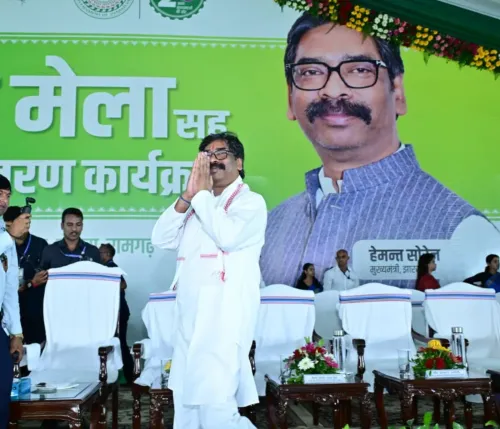
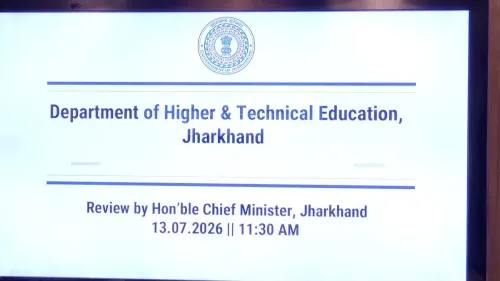
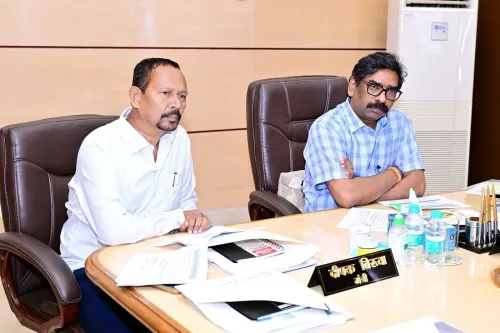
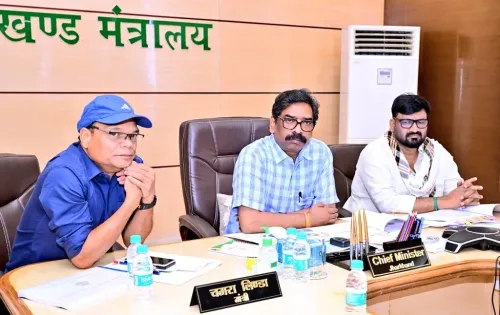
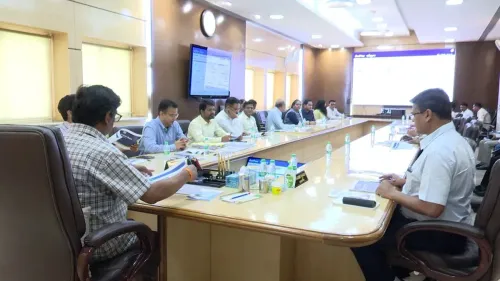
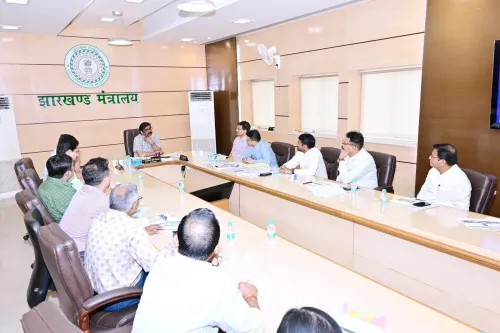
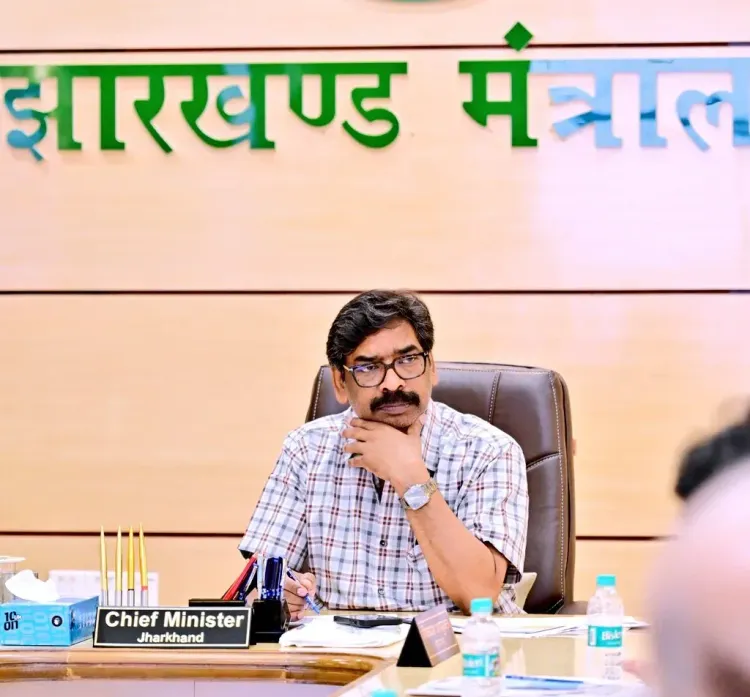
Jharkhand Chief Minister Hemant Soren on Tuesday, 26 May 2026, chaired a review meeting of the state Education Department and issued a sweeping set of directives aimed at improving school quality, reducing dropout rates, and expanding infrastructure across the state.
What the Chief Minister Directed
Addressing officials at the review meeting, CM Soren instructed the department to launch 100 new CM Schools of Excellence and to expedite the opening of the Dishom Guru Shibu Soren Awasiya Vidyalaya (residential school) at Jaguar Campus. He noted that the CM School of Excellence programme had recorded improved results in the Class 10 examinations this cycle, while calling for further gains.
The directives also covered increasing teacher strength in single-teacher schools, shielding teachers from administrative duties so they can focus on classroom instruction, and organising exposure visits for students. Soren specifically highlighted the need to cut dropout rates, particularly among girl students, and to deliver quality education alongside opportunities in arts, sports, and other disciplines.
Context
Jharkhand has historically grappled with low school enrollment and retention, especially in its tribal-dominated districts. The CM School of Excellence scheme was conceived as a model-school initiative to raise academic outcomes and serve as benchmarks for the broader state system.
The proposed Dishom Guru Shibu Soren Awasiya Vidyalaya is named after Shibu Soren, founder of the Jharkhand Mukti Morcha and father of the Chief Minister, underscoring the political and cultural significance attached to the project. Residential schooling is seen as a key tool to retain students from remote and economically vulnerable families.
Policy Backdrop
The directives align with the framework of the National Education Policy 2020, which emphasised teacher professionalisation, reduction of gender gaps in school retention, and quality improvement at the elementary level. Earlier national programmes — Sarva Shiksha Abhiyan (launched 2001) and the Right to Education Act, 2009 — set the baseline norms for universal enrollment and teacher deployment that Jharkhand continues to work toward.
Successive Jharkhand administrations have issued repeated orders on teacher rationalisation and infrastructure upgrades. CM Soren's instruction to keep teachers free from non-academic administrative duties echoes a recurring reform demand that has found fresh urgency under the NEP 2020 framework.
Stakeholders and Impact
The most direct beneficiaries are school-going children across Jharkhand, with girl students specifically identified as a priority group for retention efforts. Teachers stand to benefit from reduced administrative burden, while single-teacher schools — a persistent structural challenge in rural and tribal areas — are targeted for additional staffing.
The expansion to 100 new CM Schools of Excellence would significantly scale up the programme's footprint, potentially reaching districts that currently lack access to model-school infrastructure. Exposure visits and innovation-based teacher training are aimed at closing the quality gap between urban and rural schooling.
What's Next
The Education Department is now expected to draw up rollout timelines and funding plans for the 100 new CM Schools of Excellence and the Jaguar Campus residential school. Progress on teacher recruitment to fill vacancies in single-teacher schools and measurable movement on dropout statistics — especially for girls — will be the clearest indicators of whether Tuesday's directives translate into ground-level change.
Point of View
But its success will hinge on whether the department can actually recruit enough staff to absorb those non-teaching tasks. The naming of the new residential school after Shibu Soren also reinforces the JMM's identity politics around tribal education, blending governance with legacy-building ahead of future electoral cycles.
NationPress
10 Oct 2026
Frequently Asked Questions
What is the CM School of Excellence in Jharkhand?
The CM School of Excellence is a Jharkhand government initiative to establish model schools with improved infrastructure and academic outcomes, intended to serve as benchmarks for the broader state school system.
Who is the Dishom Guru Shibu Soren Awasiya Vidyalaya named after?
The school is named after Shibu Soren , founder of the Jharkhand Mukti Morcha and father of Chief Minister Hemant Soren, and is planned at the Jaguar Campus as a residential school.
What did Hemant Soren say about girl students in the education review?
CM Soren specifically directed the Education Department to reduce the dropout rate among girl students, identifying them as a priority group for retention efforts.
How many new CM Schools of Excellence did Hemant Soren announce?
CM Soren directed the Education Department to launch 100 new CM Schools of Excellence across Jharkhand.
What did Hemant Soren say about teachers in the 26 May 2026 meeting?
Soren directed that teachers be kept free from administrative responsibilities so they can concentrate on classroom instruction, and called for innovation-based training and increased staffing in single-teacher schools.