CM Fadnavis flags off health awareness rath in Pune for Ashadhi Wari
Synopsis
Chief Minister Devendra Fadnavis flagged off two public awareness chariots in Pune on 11 July 2026 — one for the CM Assistance Fund and charitable hospital outreach, and another by the Union Ministry of Information and Broadcasting — ahead of the Ashadhi Wari pilgrimage to Pandharpur.
Key Takeaways
CM Devendra Fadnavis flagged off two awareness chariots ( raths ) in Pune on 11 July 2026 .
One rath is linked to the Mukhyamantri Sahayata Nidhi (Chief Minister's Assistance Fund) and the charitable hospital cell.
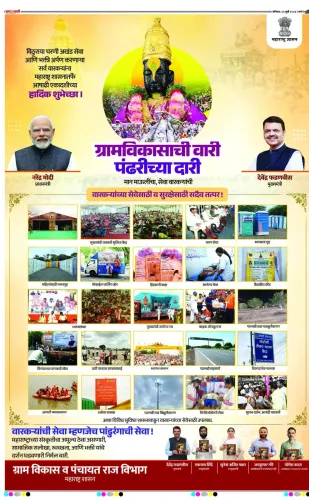
A second pictorial chariot was organised by the Central Bureau of Communication, Regional Office, Pune , under the Union Ministry of Information and Broadcasting .
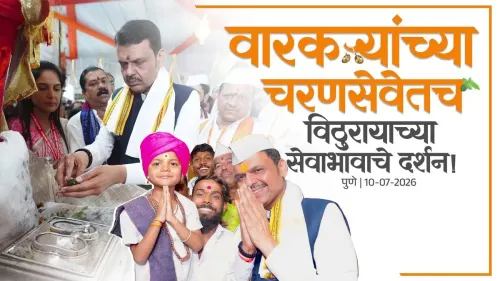
The initiative targets Warkari pilgrims heading to Pandharpur for the Ashadhi Wari .
Union MoS Murlidhar Mohol , MLA Sunil Kamble , and MLA Hemant Rasane were present at the inauguration.
The dual-chariot format reflects coordination between the Maharashtra state government and the Union government's communication apparatus.
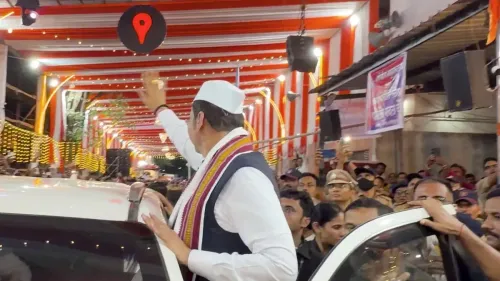
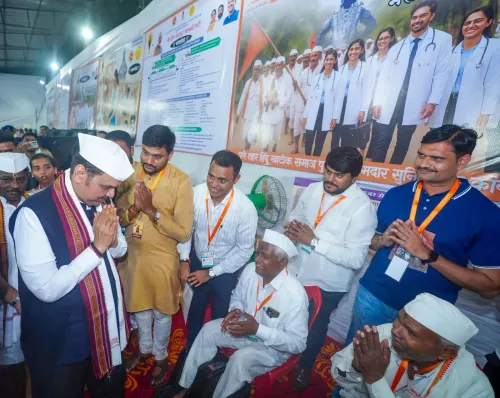
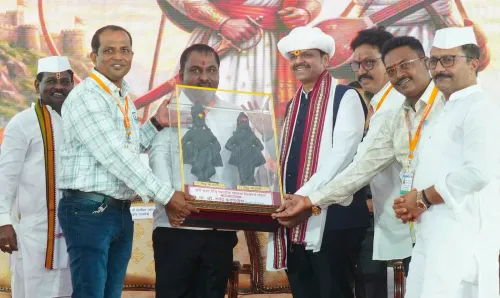
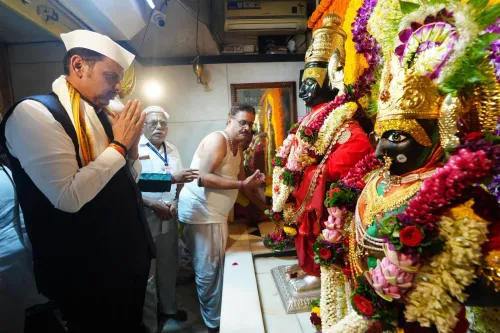
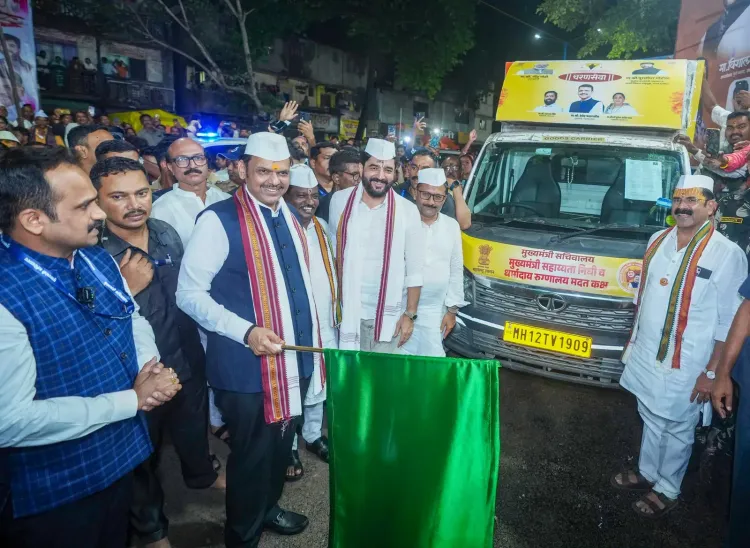
Chief Minister Devendra Fadnavis on Saturday, 11 July 2026, flagged off two special awareness chariots (raths) in Pune — one linked to the Chief Minister's Assistance Fund and charitable hospital outreach, and another organised by the Central Bureau of Communication, Regional Office, Pune, under the Union Ministry of Information and Broadcasting, to spread public awareness on the occasion of the Ashadhi Wari pilgrimage.
Context
The Chief Minister's Office of Maharashtra announced that Fadnavis inaugurated the health awareness rath of the Mukhyamantri Sahayata Nidhi (Chief Minister's Assistance Fund) and the charitable hospital cell, alongside a special pictorial chariot prepared for public awareness ahead of the Ashadhi Wari. The post noted the presence of Union Minister of State Murlidhar Mohol, MLA Sunil Kamble, MLA Hemant Rasane, and other dignitaries at the event.
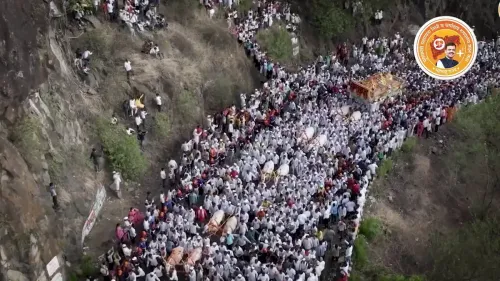
The Ashadhi Wari is one of Maharashtra's largest annual religious pilgrimages, drawing millions of Warkari devotees on foot to Pandharpur each year. The convergence of such large crowds makes it a significant opportunity for state and central agencies to reach citizens with welfare and health information.
Policy Backdrop
Maharashtra governments have consistently organised medical camps and awareness drives along Wari routes in prior years to serve pilgrim gatherings. This year's initiative combines two distinct streams: the state's own Chief Minister's Assistance Fund — which provides financial relief to individuals facing medical and other emergencies — and a centrally driven communication campaign through the Ministry of Information and Broadcasting's regional outreach infrastructure.
Indian state and central agencies have long used large cultural and religious gatherings as platforms to extend the reach of welfare schemes and public health messaging. The mobile chariot format allows these campaigns to travel along pilgrimage routes rather than being confined to static venues.
Stakeholders and Impact
Warkari pilgrims — who travel hundreds of kilometres on foot — are the primary audience for the health awareness messaging. The charitable hospital cell outreach is aimed at informing citizens about access to subsidised or free medical care under empanelled institutions. Beneficiaries of the Mukhyamantri Sahayata Nidhi scheme, which provides direct financial assistance for treatment costs, are also a key target group.
The Central Bureau of Communication's pictorial chariot is designed to disseminate government information through visual media, making it accessible to pilgrims who may have limited literacy or digital access. The dual-chariot format signals coordination between the Maharashtra state government and the Union government's communication machinery.
What's Next
The chariots are expected to travel along the Wari route toward Pandharpur in the days ahead, engaging pilgrims with health information and details of state welfare schemes. The scale of pilgrim engagement and any subsequent uptick in enrolments or applications under the Chief Minister's Assistance Fund will indicate the initiative's on-ground reach.
The event also reflects a broader pattern of using high-footfall religious occasions to bridge the gap between government schemes and citizens who may not otherwise engage with formal welfare channels — a model that Maharashtra has applied across multiple administrations.
Point of View
Co-opting central ministry infrastructure for a state-level welfare scheme signals an effort to project administrative depth ahead of the pilgrimage season. The inclusion of local legislators alongside a Union Minister of State also suggests deliberate constituency-level optics. Whether the chariots translate into measurable scheme enrolments, or remain largely symbolic outreach, will define the initiative's real policy value.
NationPress
9 Oct 2026
Frequently Asked Questions
What is the Mukhyamantri Sahayata Nidhi in Maharashtra?
The Mukhyamantri Sahayata Nidhi, or Chief Minister's Assistance Fund, is a Maharashtra government scheme that provides financial relief to individuals facing emergencies, including medical treatment costs that they cannot afford.
What is Ashadhi Wari and why is it significant?
Ashadhi Wari is an annual Hindu pilgrimage to the Vitthal temple in Pandharpur, Maharashtra. It draws millions of Warkari devotees who travel on foot from across the state and is one of the largest religious gatherings in India.
What did CM Devendra Fadnavis inaugurate in Pune on 11 July 2026?
CM Devendra Fadnavis flagged off two special awareness chariots in Pune — one for the Chief Minister's Assistance Fund and charitable hospital outreach, and another organised by the Central Bureau of Communication under the Union Ministry of Information and Broadcasting, both aimed at public awareness during Ashadhi Wari.
What is the Central Bureau of Communication and what does it do?
The Central Bureau of Communication is a field unit under the Union Ministry of Information and Broadcasting that organises public outreach campaigns, exhibitions, and audio-visual programmes to disseminate government information to citizens at the grassroots level.
Who attended the Wari awareness rath launch in Pune with CM Fadnavis?
Union Minister of State Murlidhar Mohol, MLA Sunil Kamble, MLA Hemant Rasane, and other dignitaries attended the event alongside Chief Minister Devendra Fadnavis in Pune.