CM Fadnavis leads Ashadhi Wari Charan Seva in Pune
Synopsis
Chief Minister Devendra Fadnavis presided over the Ashadhi Wari Charan Seva in Pune on 10 July 2026, an initiative by the Chief Minister's Relief Fund and Medical Assistance Cell to provide foot-care and medical support to lakhs of Varkari pilgrims marching to Pandharpur.
Key Takeaways
CM Devendra Fadnavis led the Ashadhi Wari Charan Seva programme in Pune on 10 July 2026 .
The event was organised by the Chief Minister's Relief Fund and Medical Assistance Cell .
Union MoS Murlidhar Mohol , MLA Sunil Kamble and MLA Hemant Rasane were present alongside the Chief Minister.
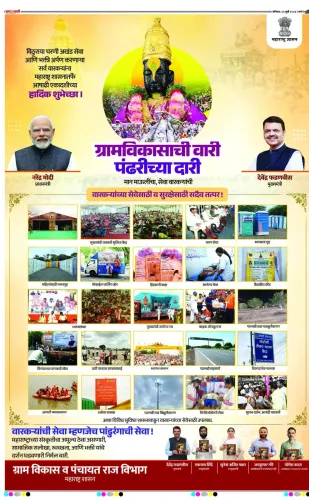
The initiative provides foot-care and medical support to Varkari pilgrims undertaking the annual on-foot march to Pandharpur .
Maharashtra has a long-standing policy of deploying state welfare resources along Wari routes during Ashadhi and Kartiki processions.
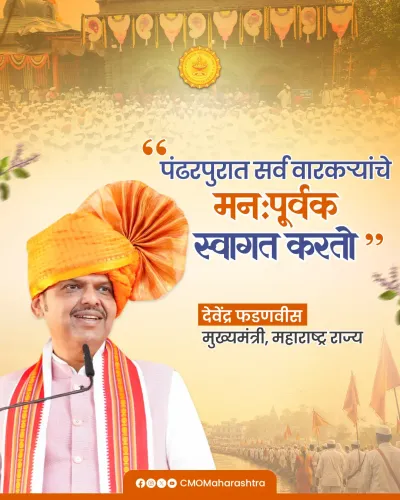
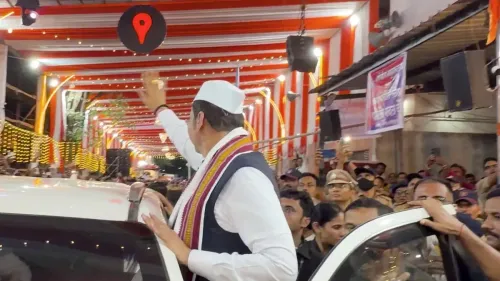
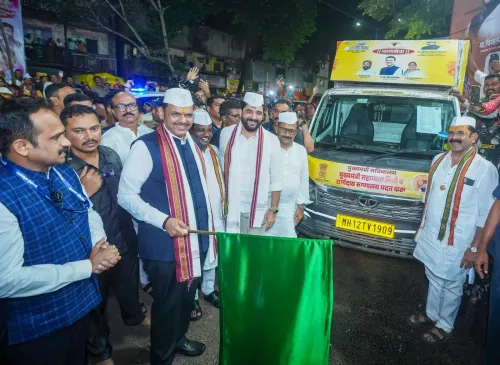
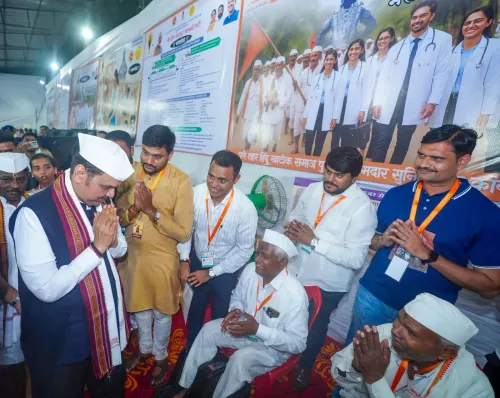
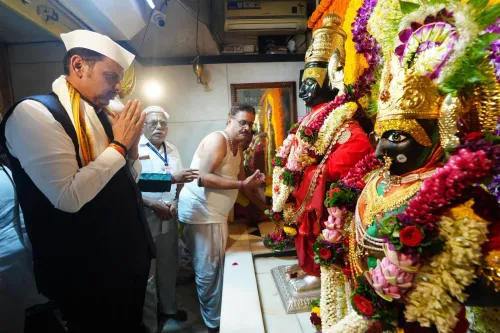
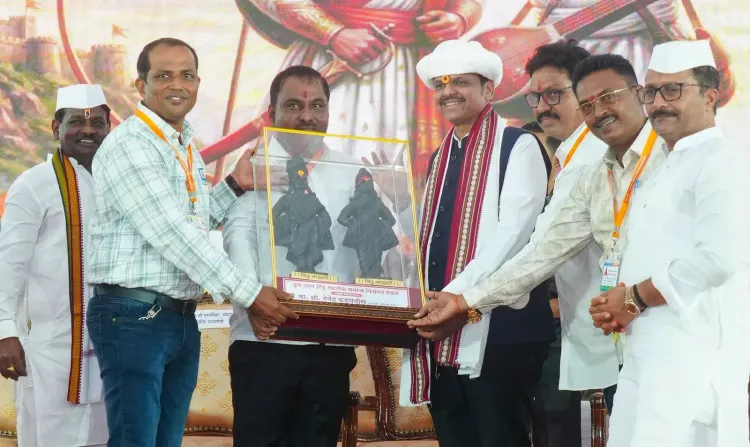
Chief Minister Devendra Fadnavis presided over the 'Shrikshetra Pandharpur Ashadhi Wari Charan Seva' programme organised by the Chief Minister's Relief Fund and Medical Assistance Cell in Pune on the night of 10 July 2026. The event brought together senior political figures to extend state-backed foot-care and medical support to pilgrims undertaking the annual Varkari march to Pandharpur.
Context
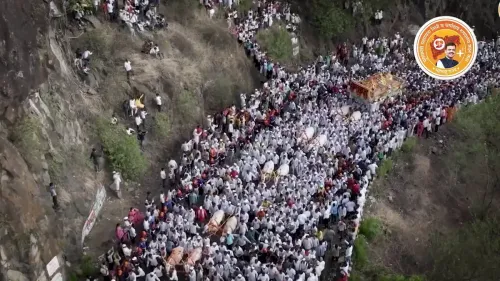
The Ashadhi Wari is one of Maharashtra's largest annual pilgrimages, drawing millions of Varkari devotees who walk hundreds of kilometres to the Vithoba temple in Pandharpur during the month of Ashadh. The 'Charan Seva' — literally 'foot service' — is a welfare initiative that provides medical care, blister treatment and rest facilities to pilgrims along the route. The Chief Minister's Office posted in English, Marathi and Hindi, signalling the event's broad outreach across Maharashtra's linguistic communities.
Policy Backdrop
Maharashtra governments across administrations have long deployed medical camps and relief infrastructure along Wari routes during both the Ashadhi and Kartiki processions. The Chief Minister's Relief Fund is the state's primary vehicle for targeted medical aid and disaster assistance, and its deployment here reflects an established pattern of channelling official welfare resources toward large-scale religious gatherings. This year's programme extends that lineage by formally branding the foot-care drive under the Relief Fund and Medical Assistance Cell.
Stakeholders and Impact
Union Minister of State Murlidhar Mohol, MLA Sunil Kamble and MLA Hemant Rasane were among the dignitaries present alongside CM Fadnavis, underlining the event's political weight beyond routine ceremonial participation. The direct beneficiaries are the lakhs of Varkari pilgrims who undertake the on-foot journey, many of whom are elderly or travel from remote rural districts with limited access to healthcare. State-organised Charan Seva camps typically offer wound dressing, pain relief and basic physiotherapy to pilgrims whose feet bear the strain of multi-day walking.
What's Next
Attention will now turn to the scale and geographic coverage of medical foot-care services deployed along the full Pandharpur Wari route for the 2026 edition, and whether the Relief Fund will receive enhanced allocations to sustain such programmes. The involvement of both state and central government representatives at the Pune event suggests coordinated administrative backing, which could set a template for how Maharashtra manages pilgrim welfare at future Wari cycles.
Point of View
The scale of medical infrastructure deployed along the Wari route will be the real measure of the programme's welfare impact beyond its ceremonial dimension.
NationPress
10 Oct 2026
Frequently Asked Questions
What is the Ashadhi Wari Charan Seva?
The Ashadhi Wari Charan Seva is a welfare initiative organised by the Maharashtra government's Chief Minister's Relief Fund and Medical Assistance Cell to provide foot-care and medical support to Varkari pilgrims walking to Pandharpur during the Ashadhi Wari.
Where was the Charan Seva event held on 10 July 2026?
The event was held in Pune on the night of 10 July 2026, with CM Devendra Fadnavis presiding.
Who attended the Ashadhi Wari Charan Seva with CM Fadnavis?
Union Minister of State Murlidhar Mohol, MLA Sunil Kamble, MLA Hemant Rasane and other dignitaries were present alongside Chief Minister Devendra Fadnavis.
What is the Chief Minister's Relief Fund in Maharashtra?
The Chief Minister's Relief Fund is a Maharashtra state fund used for targeted medical aid, disaster relief and welfare assistance programmes across the state, and it co-organised the Charan Seva event.
What is the Ashadhi Wari and why is it significant?
The Ashadhi Wari is an annual pilgrimage in which millions of Varkari devotees walk on foot to the Vithoba temple in Pandharpur during the Hindu month of Ashadh; it is one of Maharashtra's largest and most culturally important religious events.