CM Fadnavis Marks Maharashtra's Wari Pilgrimage Season
Synopsis
The Chief Minister's Office of Maharashtra marked the annual Wari pilgrimage season on X, tagging CM Devendra Fadnavis. The Wari draws lakhs of Warkari devotees to Pandharpur's Vitthal temple each Ashadhi Ekadashi, with the state government playing a key logistical and administrative role.
Key Takeaways
The Chief Minister's Office of Maharashtra posted on X on 12 July 2026 referencing the Wari pilgrimage and CM Devendra Fadnavis .
The post used hashtags #Maharashtra , #DevendraFadnavis , and #Wari , and included two images .
The Wari is an annual on-foot pilgrimage to the Vitthal temple in Pandharpur , peaking around Ashadhi Ekadashi .
The Maharashtra state government has historically provided crowd management, medical camps, and route infrastructure for the pilgrimage.
Devendra Fadnavis has been associated with state support for Warkari traditions across his tenures as Chief Minister.
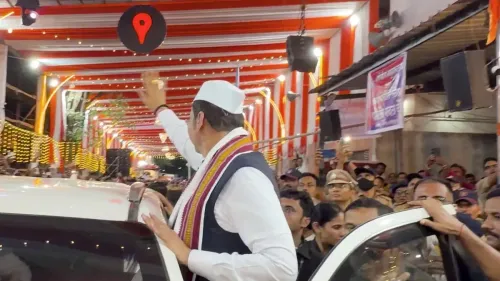
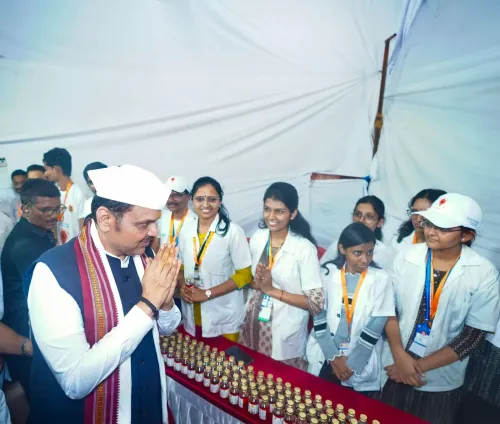
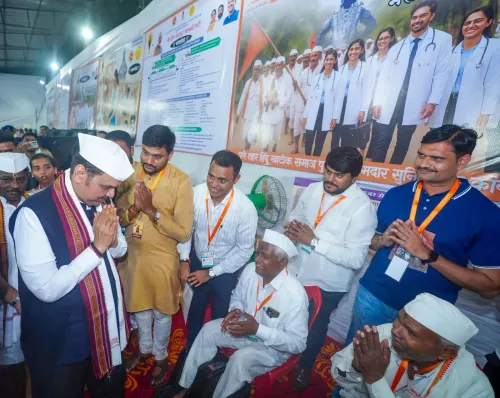
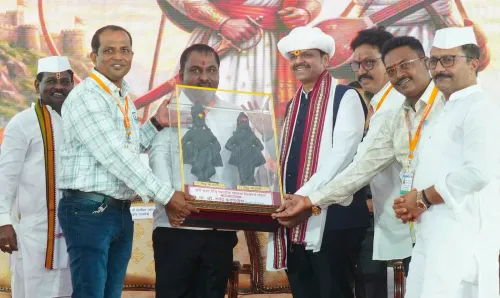
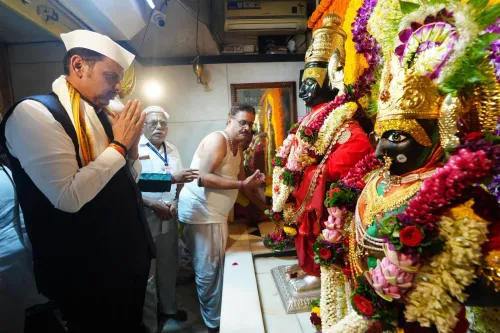
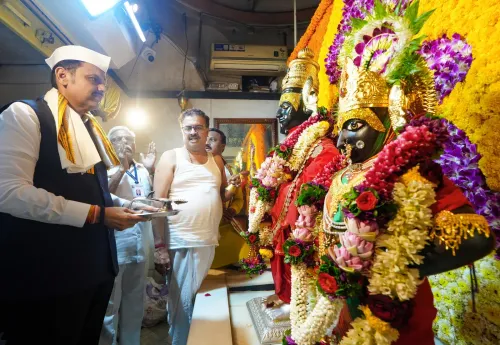
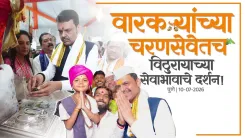
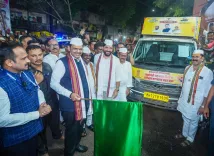
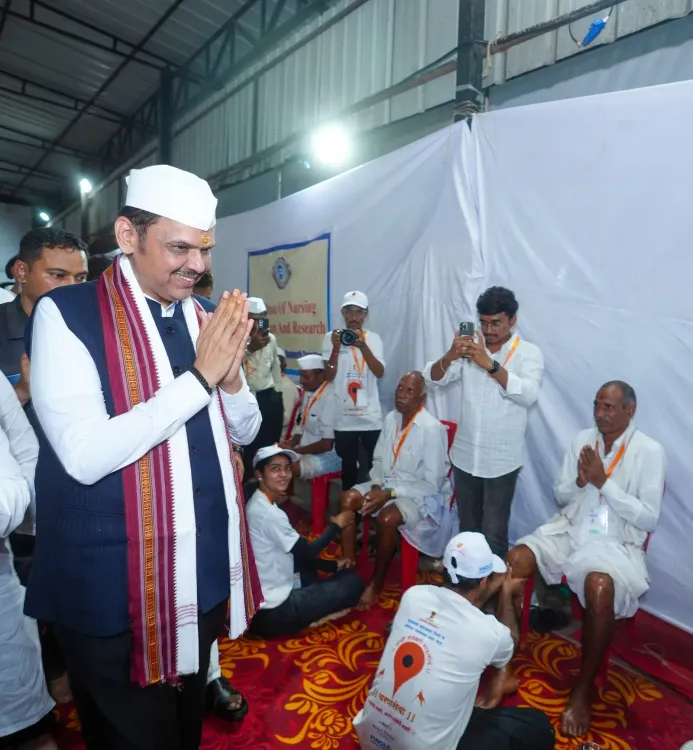
The Chief Minister's Office of Maharashtra posted on X (formerly Twitter) on Saturday, 12 July 2026, sharing content related to the annual Wari pilgrimage and Chief Minister Devendra Fadnavis, accompanied by two images.
Context
The Wari is Maharashtra's most significant annual pilgrimage, drawing lakhs of Warkari devotees who walk hundreds of kilometres on foot to the Vitthal temple in Pandharpur. The pilgrimage peaks around Ashadhi Ekadashi, which falls in the Hindu month of Ashadha — typically June or July — making this post timely with the pilgrimage season.
The CMO's post, tagged with #Maharashtra, #DevendraFadnavis, and #Wari, signals the state government's active engagement with one of the most emotionally and culturally significant events in Maharashtra's calendar.
Policy Backdrop
State governments in Maharashtra have long played a coordinating role in the Wari, providing administrative support, crowd management, medical camps, and route infrastructure along the traditional pilgrimage paths. This institutional involvement has grown steadily over the decades as participation numbers have expanded.
Devendra Fadnavis, the BJP leader who served as Chief Minister from 2014 to 2019 and returned to the office subsequently, has consistently associated his administration with both the cultural and logistical dimensions of major state pilgrimages. Official acknowledgement of the Wari by the CMO reinforces the government's visible support for Warkari traditions.
Stakeholders and Impact
The primary stakeholders are the lakhs of Warkari pilgrims who undertake the on-foot journey to Pandharpur every year, many of them from rural and semi-urban Maharashtra. For them, state attention to the Wari translates directly into safer routes, better medical facilities, and smoother darshan arrangements at the Vitthal-Rukmini temple.
Local administrations along pilgrimage routes — spanning multiple districts — are also key participants, tasked with coordinating police deployment, drinking water supply, and shelter. Official posts from the CMO serve as a public signal of the government's commitment to these arrangements.
What's Next
State coordination for the Wari typically intensifies in the days immediately preceding and following Ashadhi Ekadashi, with district collectors and divisional commissioners overseeing on-ground logistics. Observers will watch for formal announcements on route safety measures, medical camp deployment, and special darshan arrangements for the 2026 pilgrimage cycle.
The CMO's continued social media engagement with the Wari underscores how Maharashtra's government frames the pilgrimage not merely as a religious event but as a major public-administration exercise — one that reflects the state's capacity to manage mass gatherings of national scale.
Point of View
Visible association with the Warkari movement — which cuts across caste and class lines — carries political as well as devotional significance. Official acknowledgement at this level also signals to district administrations that the pilgrimage remains a high-priority logistical exercise. As participation in the Wari grows annually, the state's capacity to manage it safely becomes an increasingly important measure of governance credibility.
NationPress
11 Jul 2026
Frequently Asked Questions
What is the Wari pilgrimage in Maharashtra?
The Wari is an annual Hindu pilgrimage in which lakhs of Warkari devotees walk on foot to the Vitthal-Rukmini temple in Pandharpur, peaking around Ashadhi Ekadashi in the monsoon month of Ashadha.
What role does the Maharashtra government play in the Wari?
The state government coordinates crowd management, police deployment, medical camps, drinking water supply, and route infrastructure to support the lakhs of pilgrims who participate in the Wari each year.
Who is Devendra Fadnavis?
Devendra Fadnavis is a BJP leader who has served as Chief Minister of Maharashtra, first from 2014 to 2019 and again in subsequent terms, and is closely associated with the state's cultural and administrative initiatives.
When does the Wari pilgrimage take place?
The Wari's main event coincides with Ashadhi Ekadashi, which falls in the Hindu month of Ashadha, typically in June or July of each year.
Why did the CMO Maharashtra post about the Wari in July 2026?
The post aligns with the Ashadhi Ekadashi pilgrimage season, when the Maharashtra government traditionally signals its support for the Wari and highlights administrative preparations for the large-scale event.