CM Sawant: 24 Institutes Skilling Goan Youth via DDU-GKY
Synopsis
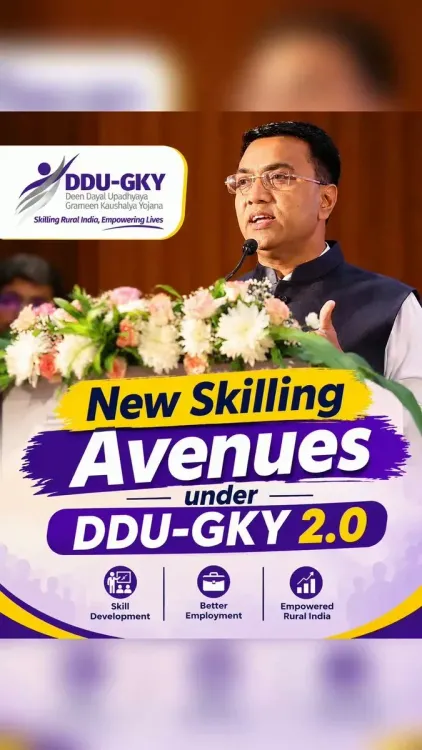
Goa CM Pramod Sawant says 24 institutes are delivering DDU-GKY skill training through RDA across Tourism, Hospitality, Retail and Banking, aiming to place rural Goan youth in industry roles.
Key Takeaways
24 institutes in Goa are offering DDU-GKY courses through the state nodal body, the Goa Rural Development Agency (RDA) .
Training covers Tourism, Hospitality, Retail, Banking and other sectors — aligned with Goa's services-dominant economy.
DDU-GKY , launched in 2014 by the Ministry of Rural Development, mandates placement-linked, industry-recognised certification for rural youth aged 15–35 .
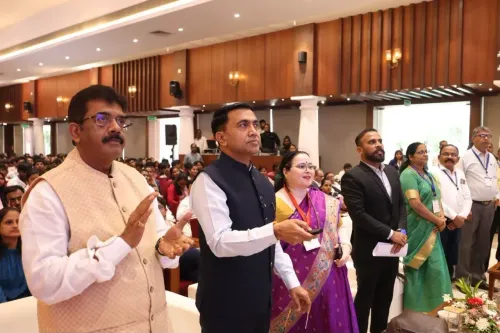
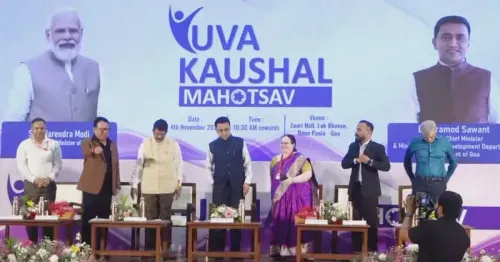
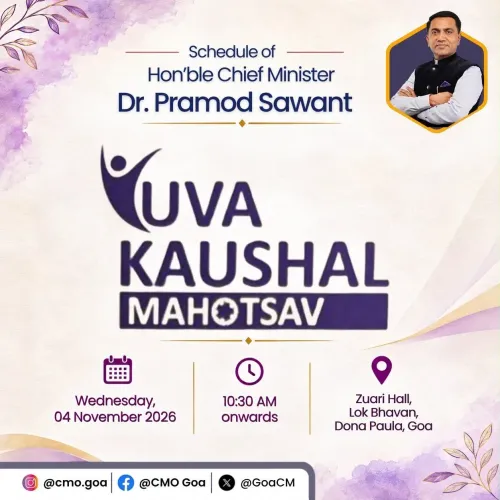
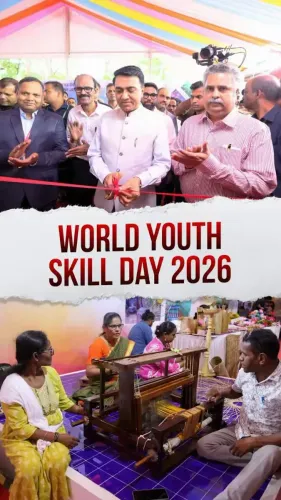
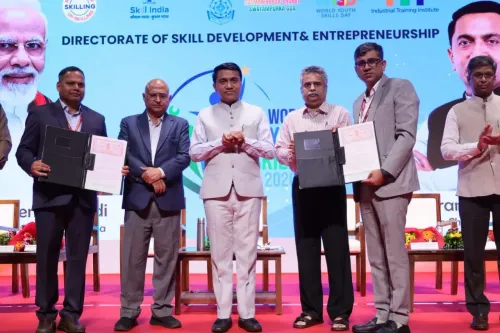
The announcement was made in the context of the #YuvaKaushalMahotsav , a state-level youth skill festival in Goa.
Placement and certification outcomes from the 24 institutes will be the key metric for evaluating actual impact on Goan households.
Goa's service economy runs on tourism and hospitality — and Chief Minister Pramod Sawant wants its youth to run it, not just watch it. On Wednesday, 4 November 2026, Sawant highlighted that 24 institutes across Goa are delivering nationally recognised skill training under the Deen Dayal Upadhyaya Grameen Kaushalya Yojana (DDU-GKY), channelled through the Goa Rural Development Agency (RDA) — with courses spanning Tourism, Hospitality, Retail, Banking and allied sectors.
What DDU-GKY actually does for rural Goan youth
Launched by the Ministry of Rural Development in 2014, DDU-GKY replaced the earlier Aajeevika Skills programme with a sharper mandate: industry-recognised certifications paired with guaranteed placement linkages, targeting rural youth aged 15 to 35. The scheme is explicitly placement-linked — trainees are not simply handed a certificate and wished luck. The RDA serves as Goa's nodal body for routing central funds to empanelled training institutes and monitoring outcomes.
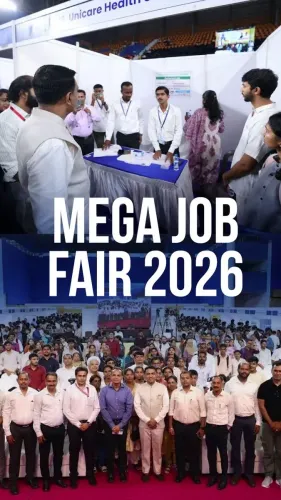
Sawant's post, tagged #YuvaKaushalMahotsav, signals a state-level skill festival context — a showcase of training outcomes and industry connections designed to put Goan youth in front of employers rather than recruiters from outside the state.
Tourism and hospitality: Goa's strategic skilling bet
The sector choices are deliberate. Goa's economy is overwhelmingly services-driven, with tourism and hospitality accounting for a disproportionate share of livelihoods. Training rural youth in precisely those sectors — rather than manufacturing or agriculture — reflects a state-specific reading of where jobs exist and where the skills gap is widest. The Skill India framework allows exactly this kind of state-level customisation within a centrally funded architecture.
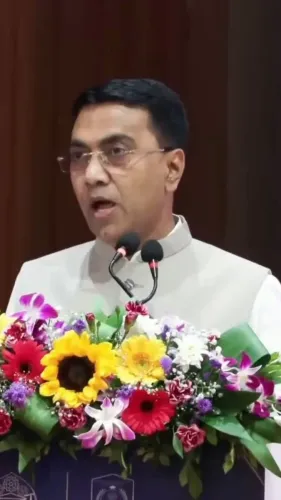
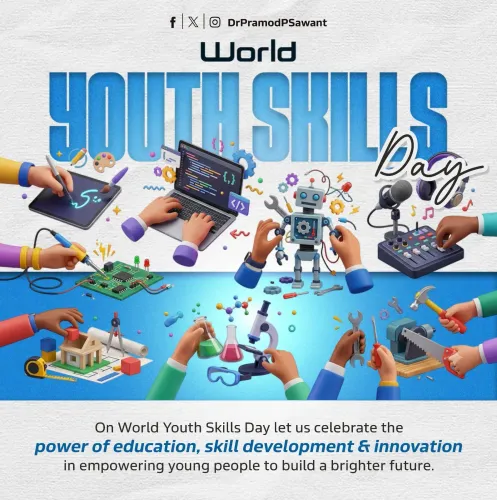
Sawant framed the initiative as 'empowering Goan youth with industry-ready skills and better employment opportunities' — language that maps directly onto DDU-GKY's core promise: not classroom theory, but job-floor readiness.
The number to watch: 24 institutes, and what comes next
The figure of 24 empanelled institutes is the operative metric here. Whether that network expands — and whether placement and certification rates from this cohort hold up — will determine how much political and budgetary weight future Goa governments assign to DDU-GKY. State budget allocations in subsequent years and official placement data from RDA will be the real scorecards of this initiative's impact on Goan households.
For now, the Yuva Kaushal Mahotsav puts that number on the record — and puts Sawant's government on notice to back it up with outcomes.
Point of View
The RDA. The sector focus on Tourism and Hospitality is not incidental: it signals Goa's attempt to indigenise its hospitality workforce rather than cede entry-level jobs to migrants from other states. The Yuva Kaushal Mahotsav branding also suggests a political cycle calculation — translating scheme numbers into a visible, public-facing event ahead of future electoral cycles. The real test, as with every placement-linked skilling scheme, is whether the '24 institutes' metric converts into verifiable job placements rather than training completions alone.
NationPress
4 Nov 2026
Frequently Asked Questions
What is DDU-GKY and how does it work in Goa?
DDU-GKY (Deen Dayal Upadhyaya Grameen Kaushalya Yojana) is a Ministry of Rural Development scheme launched in 2014 that provides placement-linked skill training to rural youth aged 15–35. In Goa, it is implemented through the Goa Rural Development Agency (RDA), which empanels training institutes and routes central funding to them.
What courses are offered under DDU-GKY in Goa?
The 24 institutes empanelled under DDU-GKY in Goa offer nationally recognised courses in Tourism, Hospitality, Retail, Banking and other sectors, targeting industry-ready employment for Goan youth.
What is Yuva Kaushal Mahotsav in Goa?
Yuva Kaushal Mahotsav is a state-level youth skill festival organised by the Goa government to showcase training outcomes and facilitate connections between skilled youth and industry employers.
Who is the nodal agency for DDU-GKY in Goa?
The Goa Rural Development Agency (RDA) is the state nodal body responsible for implementing DDU-GKY and other rural livelihood programmes in Goa.
How many institutes are offering DDU-GKY training in Goa?
According to CM Pramod Sawant, 24 institutes in Goa are currently offering DDU-GKY courses through the RDA, covering sectors such as Tourism, Hospitality, Retail and Banking.