CM Sawant Promotes Mega Job Fair 2026 for Goa's Youth
Synopsis
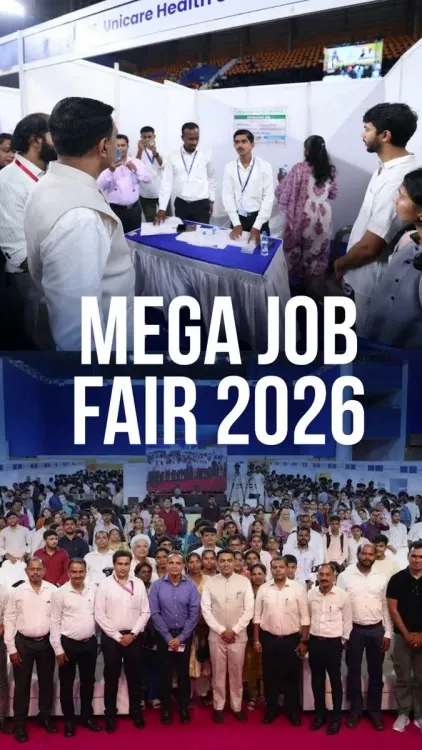
Goa Chief Minister Pramod Sawant on 14 June 2026 promoted the Mega Job Fair 2026, positioning it as a key initiative to connect state youth with employment, skills, and economic opportunity in alignment with national skilling priorities.
Key Takeaways
Goa CM Pramod Sawant announced the Mega Job Fair 2026 on 14 June 2026 via his official X account.
The fair is framed as a platform to provide Goa's youth with employment, skills, and pathways to economic participation.
The initiative aligns with the national Skill India Mission , launched in 2015 , which promotes vocational training and industry linkages.
Goa's economy — anchored in tourism, pharma, and services — has historically faced skill mismatches that job fairs aim to address.
Key stakeholders include young job-seekers, local employers, and vocational training institutions across the state.
Placement outcomes and any subsequent state budget allocations for youth employment will indicate the fair's longer-term policy impact.
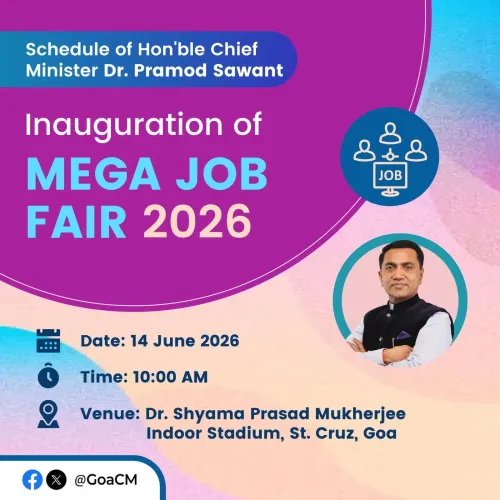
Goa Chief Minister Pramod Sawant on Sunday, 14 June 2026 promoted the Mega Job Fair 2026, calling it a platform to connect Goa's youth with employment opportunities and skill-building pathways in a rapidly evolving economy. The announcement, made via his official X account, underscores the state government's push to address youth unemployment and skill gaps across key sectors.
Context
In his post, Chief Minister Sawant described the initiative as 'connecting talent with opportunity,' framing the fair as a vehicle to 'empower Goa's youth with employment, skills, and pathways to build a brighter future.' The message signals the government's intent to position the event not merely as a recruitment drive but as a broader skilling intervention for young job-seekers in the state.
Goa's economy is primarily driven by tourism, pharmaceuticals, and an emerging services sector. These industries have historically created a mismatch between the qualifications of local graduates and the skills demanded by employers, making structured job fairs a recurring policy tool for successive state administrations.
Policy Backdrop
The Mega Job Fair 2026 aligns with the national Skill India Mission, launched in 2015, which aims to enhance employability through vocational training and direct industry linkages. State governments across India have used job fairs as a ground-level implementation mechanism to translate the mission's objectives into tangible placements for youth.
Goa has hosted similar employment events in previous years to bridge gaps in the tourism, information technology, and manufacturing segments. CM Sawant, who has led the state since 2019, has consistently cited youth employment as a development priority, situating events like this fair within a broader agenda of economic diversification beyond the state's traditional reliance on tourism revenue.
Stakeholders and Impact
The primary beneficiaries of the Mega Job Fair 2026 are Goa's young job-seekers — recent graduates, diploma holders, and school leavers seeking entry into the formal workforce. Local employers across sectors stand to gain access to a curated pool of candidates, reducing recruitment costs and timelines.
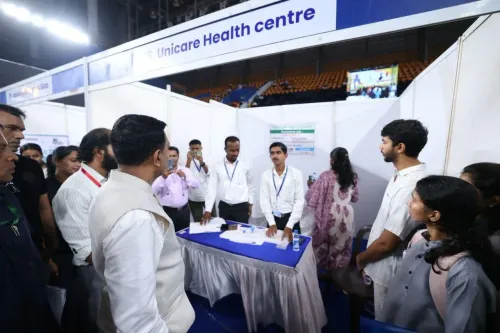
Skill-development organisations and vocational training institutes are also key stakeholders, as job fairs of this nature typically involve on-the-spot assessments, registration for training programmes, and counselling sessions alongside direct placement drives. The event is expected to serve both immediate hiring needs and longer-term workforce pipeline goals for the state's growing services and industrial base.
What's Next
The effectiveness of the Mega Job Fair 2026 will ultimately be measured by placement numbers, the quality and diversity of participating employers, and the availability of follow-up skilling support for candidates who do not secure immediate offers. Observers will also watch whether the state's upcoming budget cycles reflect increased allocations for youth employment infrastructure.
If the fair delivers strong placement outcomes, it could serve as a template for expanded editions and potentially inform Goa's formal employment policy framework ahead of the next assembly election cycle. The government's ability to demonstrate concrete results will be central to the political and policy credibility of this initiative.
Point of View
Where the formal job market is narrow and heavily skewed toward seasonal tourism, structured fairs serve a dual purpose: addressing a genuine structural gap and generating political goodwill among a young, aspirational electorate. The framing around 'skills and pathways' — rather than just placements — suggests an attempt to align the event with the broader national skilling narrative. Whether the fair translates into durable employment or remains a periodic showcase will define its policy legacy.
NationPress
14 Sept 2026
Frequently Asked Questions
What is the Mega Job Fair 2026 in Goa?
The Mega Job Fair 2026 is a state government-promoted employment event in Goa , announced by Chief Minister Pramod Sawant , aimed at connecting young job-seekers with employers and skill-development opportunities across key sectors of the state's economy.
Who announced the Mega Job Fair 2026?
Goa Chief Minister Pramod Sawant promoted the Mega Job Fair 2026 on his official X account on 14 June 2026 , describing it as a platform to empower youth with employment and skills.
How does the Goa job fair relate to Skill India Mission?
The event aligns with the national Skill India Mission , launched in 2015 , which promotes vocational training and industry linkages. State-level job fairs like this one serve as ground-level implementation tools for that mission's objectives.
Which sectors does Goa's job fair target?
Goa's economy is anchored in tourism, pharmaceuticals, and services — sectors where skill mismatches have historically been acute. The Mega Job Fair 2026 is expected to cater to employers and job-seekers across these industries.
What should Goan youth expect from the Mega Job Fair 2026?
Young job-seekers can expect on-the-spot recruitment drives, skill assessments, and information on vocational training programmes. The fair is designed to serve both immediate hiring needs and longer-term career pathway guidance.