US-Iran Negotiations Fail to Yield Agreement, Warns J.D. Vance
Synopsis
In the wake of extensive talks, US Vice President J.D. Vance declared that negotiations with Iran reached an impasse, highlighting Tehran's rejection of Washington's terms as a significant concern for Iran's future.
Key Takeaways
Negotiations between the US and Iran ended without an agreement.
Tehran's rejection of US terms poses risks primarily for Iran.
The US is focused on preventing Iran from obtaining nuclear weapons.
Long-term commitments from Iran are sought, not temporary assurances.
The failed talks reflect ongoing tensions in US-Iran diplomatic relations.
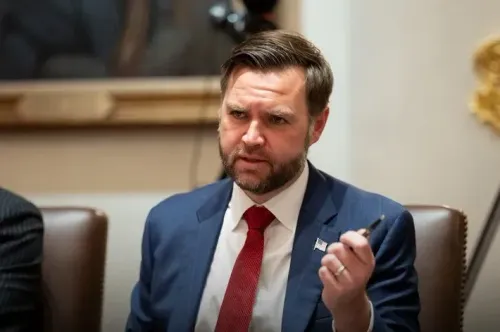
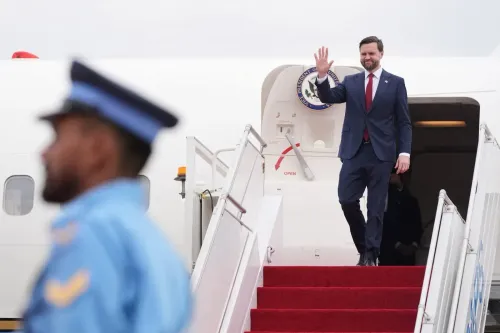
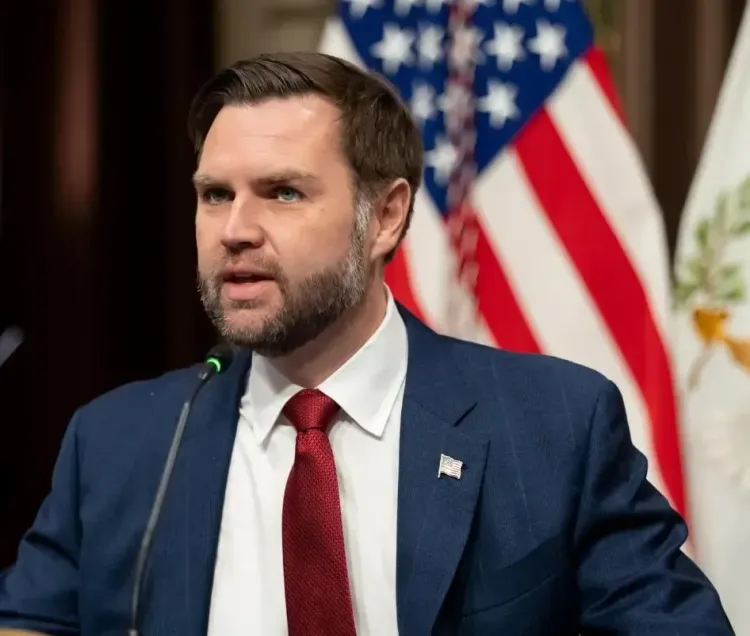
Washington, April 12 (NationPress) - US Vice President J.D. Vance announced that the discussions with Iran did not yield an agreement following over 20 hours of negotiations in Islamabad. He cautioned that Tehran’s unwillingness to accept the terms set by Washington poses a threat that is more detrimental to Iran than to the United States.
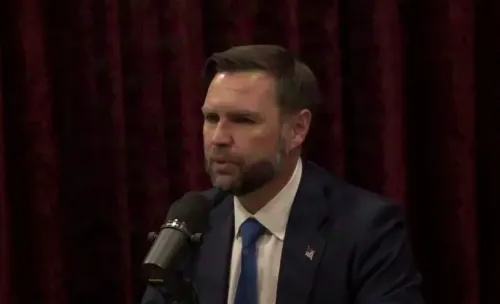
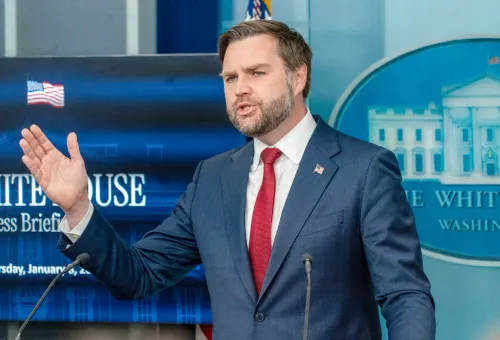
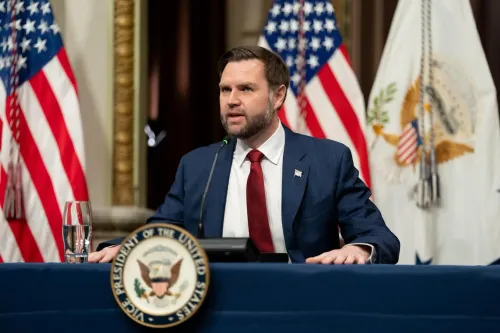
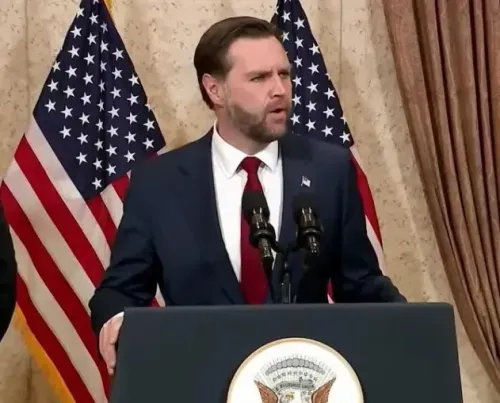
“We've engaged in dialogue for 21 hours, covering several significant topics with the Iranians. While this is a positive aspect, the negative news is that no agreement has been finalized,” Vance informed reporters during a press briefing early Sunday.
The Vice President noted that US negotiators had made their stance clear, but Tehran opted not to accept these conditions.
“Our red lines and the aspects we are prepared to adapt to have been communicated clearly. Unfortunately, they have decided against accepting our terms,” he stated.
Vance reiterated that the primary aim of the US is to thwart Iran from obtaining nuclear weapons.
“We require a definitive assurance that Iran will not pursue nuclear weaponry or the means to swiftly acquire such capabilities,” he emphasized.
He added that Washington is looking for enduring guarantees from Tehran, rather than temporary promises.
“We need to observe a fundamental commitment from Iran to refrain from developing nuclear arms, not just now or in two years, but in the long term. Such evidence is lacking at present, but we remain hopeful,” Vance expressed.
Despite the lack of progress, the Vice President highlighted that the US approach was adaptable and conducted sincerely under the President’s directives.
“We demonstrated considerable flexibility and willingness to engage. The President instructed us to approach the talks in good faith and exert our utmost effort to secure a deal. Sadly, we were unable to make any progress,” he remarked.
Vance also noted the significant collaboration with US leadership throughout the negotiations.
“We maintained regular communication with the President, discussing matters several times during the past 21 hours,” he mentioned, adding that officials stayed in touch with the broader national security team throughout the discussions.
He confirmed that the US has presented what it considers its final proposal.
“We depart with a straightforward proposal, representing our final and best offer. Time will tell,” Vance concluded.
The unsuccessful negotiations signify a setback in efforts to re-establish diplomatic dialogue regarding Iran’s nuclear program, which has consistently been a contentious issue between Washington and Tehran. Earlier discussions have faltered over verification processes, sanctions relief, and the extent of Iran’s enrichment activities.
Point of View
The breakdown of US-Iran negotiations is a critical event that underscores the complexities of diplomatic relations. The insistence on non-proliferation reflects a broader commitment to international security, while the lack of agreement illustrates the challenges in achieving lasting resolutions. This situation necessitates a careful examination of future diplomatic strategies.
NationPress
19 Sept 2026
Frequently Asked Questions
What were the main topics discussed in the US-Iran negotiations?
The discussions primarily focused on nuclear non-proliferation, verification measures, sanctions relief, and the scope of Iran's enrichment activities.
What is the US's primary objective regarding Iran's nuclear program?
The US aims to prevent Iran from acquiring nuclear weapons capability and seeks long-term commitments from Tehran.
Why did the negotiations fail?
The talks failed due to Tehran's refusal to accept the terms proposed by the US negotiators.
What was Vice President Vance's assessment of the negotiations?
Vice President Vance described the approach as flexible and conducted in good faith, despite the lack of progress.
What implications do these failed negotiations have?
The breakdown of talks represents a setback in efforts to engage diplomatically with Iran on its nuclear program, which remains a contentious issue.