Vance: Iran gets no sanctions relief without verified behaviour change
Synopsis
JD Vance drew a hard line at the White House: Iran gets nothing — zero dollars, zero sanctions relief — unless it submits to inspections and changes its behaviour. With technical talks set for Switzerland and Gulf Arab states backing the framework, the Trump administration is betting that a verification-first approach can succeed where the 2015 Obama deal failed.
Key Takeaways
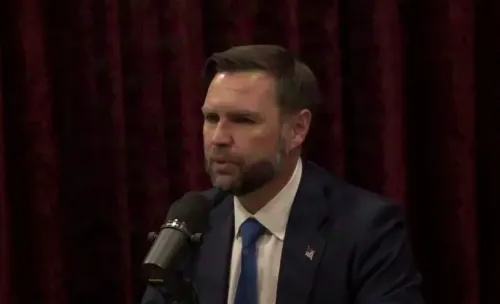
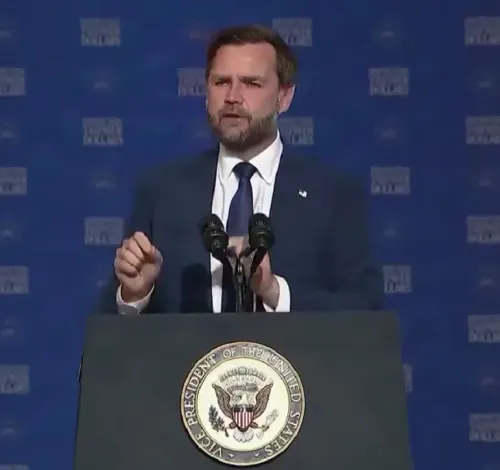
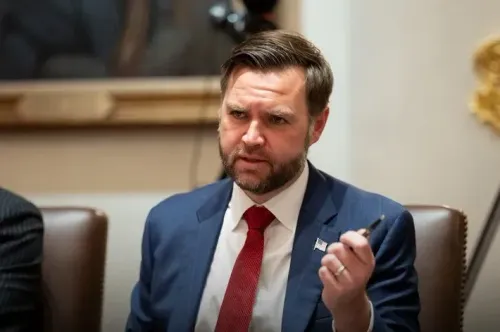
US Vice President JD Vance defended the Trump-Iran memorandum of understanding at a White House briefing on 18 June .
Iran will receive no sanctions relief and $0 in US funds unless it verifiably dismantles nuclear infrastructure and alters regional conduct.
More than 12 million barrels of oil passed through the Strait of Hormuz overnight, with US oil and petrol prices declining post-deal.
Vance contrasted the deal with the 2015 Obama-era accord , saying the new framework prohibits enrichment and involves no US financial transfers.
Gulf Arab partners reportedly support the current framework; technical talks between US and Iranian negotiators are expected in Switzerland in the coming days.
Congress is set to receive a formal briefing on the agreement.
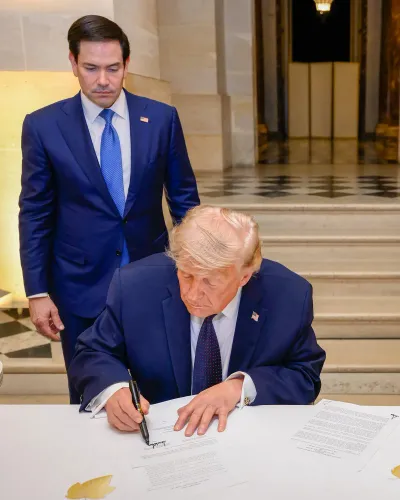
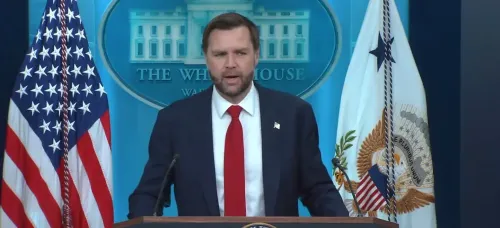
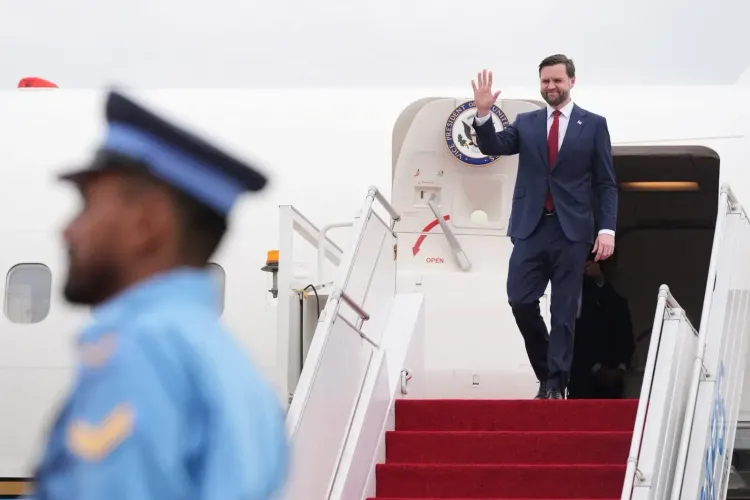
US Vice President JD Vance on Thursday, 18 June firmly defended the Trump administration's newly signed Iran agreement, stating that Tehran would receive no meaningful economic benefits until it verifiably dismantled elements of its nuclear programme and demonstrably altered its regional conduct. Vance's remarks came a day after President Donald Trump signed a memorandum of understanding with Iran aimed at ending months of military confrontation.
Key Conditions for Sanctions Relief
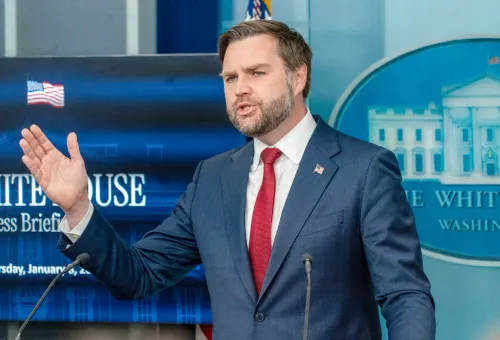
Speaking at a White House briefing, Vance was unequivocal: sanctions relief is contingent on action, not assurances. He confirmed that Iran would be required to permit inspections, take verifiable steps to eliminate its stockpile of highly enriched uranium, and demonstrate broader behavioural change before any economic benefits are unlocked.
'If they don't change their behaviour, they don't get the benefit of the bargain,' Vance said. He added: 'No sanctions will come off unless they perform the benefit of the bargain, and every sanction will come back on.'
Early Signs of Stabilisation
Vance pointed to what he described as immediate, tangible gains from the agreement. He said more than 12 million barrels of oil had passed through the Strait of Hormuz overnight, and that both oil prices and petrol prices in the United States had declined from levels recorded during the conflict. 'The President's peace plan in Iran is already bearing real fruits for the American people,' he said.
He also stressed that the deal was structured around verification rather than trust. 'We don't trust words. We trust action, and we trust conduct,' Vance said.
How This Differs from the 2015 Obama-Era Deal
Vance drew a pointed contrast with the 2015 nuclear agreement negotiated under former President Barack Obama. 'The Obama deal allowed enrichment. Ours will not,' he said. 'The Obama deal gave them over $1 billion of American money. This deal gives them $0 of American money.'
He also noted that Gulf Arab partners — who had largely opposed the 2015 accord — supported the current framework. 'The Gulf Coast coalition loves this deal because they think that it makes Iran weaker,' he said.
Response to Critics and Next Steps
Facing scepticism from some Republican lawmakers and Israeli officials, Vance urged critics to allow the process time to unfold. 'So many of what I've read or heard that people believe about this deal is just fundamentally untrue,' he said.
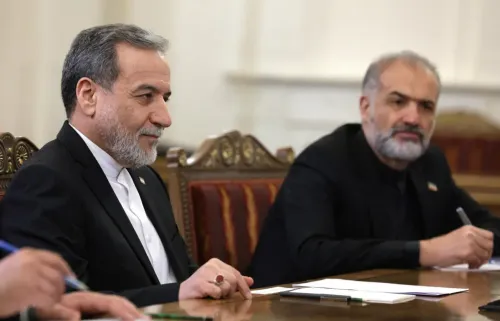
He confirmed that Congress would receive a formal briefing on the agreement. Technical talks involving US and Iranian negotiators are expected to begin in Switzerland in the coming days. Washington has said it will closely monitor financial flows and retain the ability to restore economic pressure if Tehran fails to comply.
Regional and Global Context
The agreement follows months of military confrontation involving Iran, Israel, and US forces, which had raised serious concerns about regional stability and the security of global energy supplies. Notably, Vance said Iran's nuclear infrastructure had been 'destroyed' during the conflict — a claim that, if verified, would significantly alter the strategic calculus for any future negotiations. The coming weeks of technical talks in Switzerland will be the first real test of whether the framework holds.
Point of View
Zero trust' framing is a deliberate political counter-narrative to the Obama-era deal — but the harder question is enforcement architecture. Promising that 'every sanction will come back on' is easy at a podium; the mechanism for snapback, and who adjudicates compliance, remains unspecified. Gulf Arab endorsement is significant but self-interested — they want a weaker Iran, not necessarily a stable one. The real stress test comes when the first verification dispute surfaces in Switzerland, and Washington must choose between a face-saving fudge and the hard line Vance is selling today.
NationPress
19 Sept 2026
Frequently Asked Questions
What is the Trump-Iran memorandum of understanding signed in June 2025?
It is an agreement signed by President Donald Trump aimed at ending months of military confrontation with Iran, setting conditions under which Tehran could eventually receive sanctions relief in exchange for verified nuclear dismantlement and behavioural changes. Technical negotiations are expected to begin in Switzerland shortly.
What conditions must Iran meet to receive sanctions relief under the new deal?
According to Vice President JD Vance, Iran must permit international inspections, take verifiable steps to eliminate its stockpile of highly enriched uranium, and demonstrate broader changes in its regional conduct. Vance stated that no sanctions will be lifted until these conditions are met.
How does the Trump Iran deal differ from the 2015 Obama nuclear agreement?
Vance argued that the new deal prohibits uranium enrichment entirely and involves no transfer of US funds to Iran, contrasting it with the 2015 accord, which he said allowed enrichment and transferred over $1 billion to Tehran. He also noted that Gulf Arab partners support the current framework, unlike the 2015 deal.
What immediate economic impact has the Iran deal had?
Vance said more than 12 million barrels of oil passed through the Strait of Hormuz overnight following the agreement, and that US oil and petrol prices had declined from levels seen during the conflict period, citing these as early indicators of market stabilisation.
What happens if Iran does not comply with the terms of the agreement?
Vance stated that Washington would closely monitor financial flows and retain the full ability to restore economic pressure. 'Every sanction will come back on,' he said, framing the deal as entirely conditional on Iranian performance rather than good faith.