Vance warns allies: Don't undermine Trump's Iran deal
Synopsis
Vance didn’t just defend the Iran deal — he put Israel on notice. Warning Netanyahu’s own ministers not to undermine ‘the only powerful ally’ they have left, the Vice President made plain that American patience has limits, even with its closest partner in the Middle East.
Key Takeaways
US Vice President J.D.
Vance warned critics on 18 June not to undermine the Trump administration’s Iran agreement .
Vance said many opponents had ‘fundamentally’ misunderstood the deal’s terms.
He called on Hezbollah to stop firing rockets at Israel and said Israel must not ‘go wild in Lebanon’ under the peace framework.
Vance warned Netanyahu’s coalition ministers that Trump is currently ‘the only Head of state’ sympathetic to Israel globally.
He cited that two-thirds of Israel’s defensive weapons over the past three months were American-made and taxpayer-funded.
The deal’s core aim, Vance said, is to require Iran to ‘behave like a normal country’ and reduce support for regional armed groups.
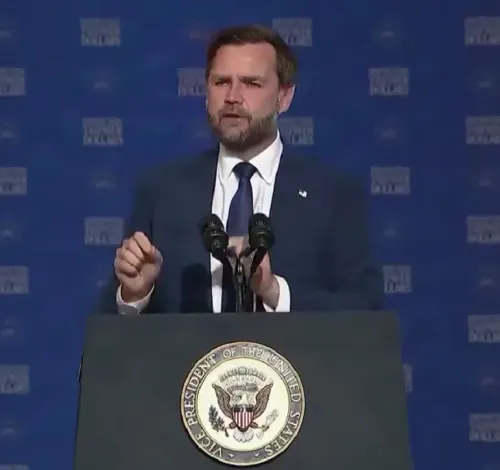
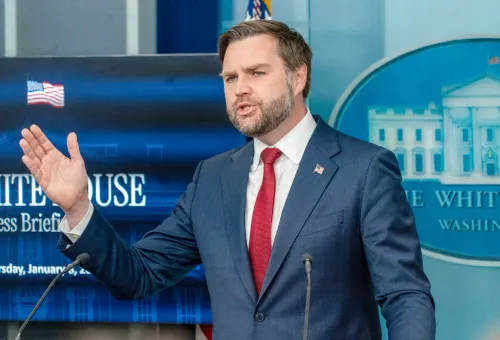
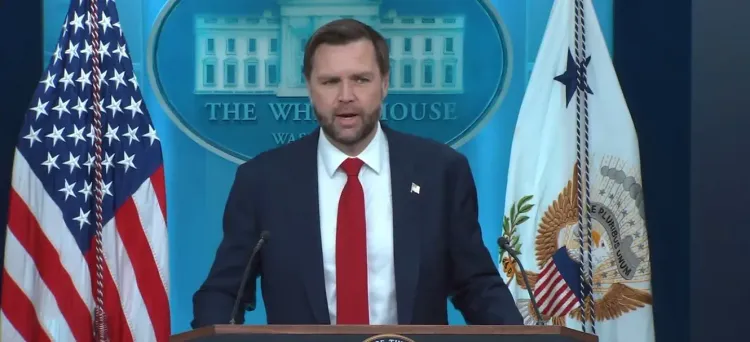
US Vice President J.D. Vance on Thursday, 18 June issued a sharp warning to critics of the Trump administration's Iran agreement, cautioning that attempts to sabotage the deal could squander a rare opening to stabilise the Middle East after months of sustained conflict. Speaking at the White House, Vance defended the accord against pushback from both Israeli ministers and Republican lawmakers.
Vance Challenges Critics on the Deal's Terms
The Vice President was direct in dismissing what he described as widespread misinformation about the agreement. “So many of what I’ve read or heard that people believe about this deal is just fundamentally untrue,” he said. He urged Republican sceptics to trust the President’s judgement, adding: “Have a little bit of faith in the President of United States.”
Vance also argued that President Donald Trump had secured a strong negotiating position and retained the ability to reimpose pressure on Tehran if Iran failed to comply with the terms. “The idea that he is going to strike a deal that’s been bad for the American people — it’s preposterous,” he said.
Friction Over Lebanon and Hezbollah
A substantial part of Vance’s remarks addressed the situation in Lebanon, where Washington is pressing both sides to reduce hostilities. He stated that the US expected Hezbollah to halt rocket and drone fire against Israel, while also making clear that Israel carried obligations under the broader peace framework. “We also expect that the Israelis are not going to be going wild in Lebanon,” he said.
Vance acknowledged the fragile nature of ceasefires in the region, quoting Trump’s own assessment: “A ceasefire in that region of the world just means they’re shooting a little bit less at each other than they were before.” Despite that caveat, he maintained that violence had declined significantly and that diplomacy was delivering results.
Sharp Words for Netanyahu’s Coalition
Vance reserved his most pointed remarks for members of Prime Minister Benjamin Netanyahu’s coalition who have publicly attacked the agreement. He underscored the singular nature of American support for Israel at this moment. “Donald J. Trump is the only Head of state in the entire world who is sympathetic to the nation of Israel at this moment in time,” he said.
“If I was in the Cabinet of the Israeli government, I might not be attacking the only powerful ally that I have anywhere left in the entire world,” Vance added. He also cited the scale of US military backing, noting that over the preceding three months, “two-thirds of the defensive weapons that have protected your homeland have been built by American hands and paid for by American tax dollars.”
The Broader Regional Framework
At its core, Vance said, the agreement is designed to curtail Iranian support for armed groups across the region and reinforce state institutions. “What this agreement does fundamentally is it requires Iran to behave like a normal country,” he said. “And if they do, then that’s a great thing for everybody.”
The accord comes as Washington seeks to contain tensions stretching from the Gulf to the eastern Mediterranean. Hezbollah, long backed by Iran, has been a central actor in Lebanon’s security landscape for decades and remains a primary concern for Israel. The US has historically balanced its robust support for Israel’s security with efforts to strengthen Lebanon’s state institutions and prevent wider regional escalation.
With the deal now under public scrutiny from both allies and domestic critics, the coming weeks will test whether Washington can hold together a coalition of support for an agreement it is billing as a generational stabilisation opportunity.
Point of View
Warning Israel’s own cabinet not to bite the hand that funds its defence. The two-thirds weapons-funding figure is a deliberate leverage signal, not a throwaway statistic. What mainstream coverage underplays is the domestic dimension — Vance is as much managing Republican hawks at home as he is managing Netanyahu’s coalition abroad. If the deal unravels, the political cost lands on Trump’s foreign policy legacy; Vance’s bluntness suggests the administration knows that and is getting ahead of it.
NationPress
18 Sept 2026
Frequently Asked Questions
What is the Trump administration’s Iran deal that Vance defended?
The Trump administration’s Iran agreement is a diplomatic accord aimed at stabilising the Middle East by requiring Iran to reduce support for regional armed groups and, in Vance’s words, ‘behave like a normal country.’ Specific published terms have not been detailed in official statements, but Vance said the deal preserves Washington’s ability to reimpose pressure if Iran fails to comply.
Why did Vance warn Israeli ministers specifically?
Vance warned members of Prime Minister Benjamin Netanyahu’s coalition who have publicly criticised the agreement, arguing they were undermining the only major world power currently sympathetic to Israel. He reminded them that two-thirds of Israel’s defensive weapons over the past three months were American-made and funded by US taxpayers.
What did Vance say about Hezbollah and Lebanon?
Vance said the US expects Hezbollah to stop firing rockets and drones at Israel, while also stating that Israel must not act without restraint in Lebanon under the broader peace framework. He acknowledged that ceasefires in the region are inherently imperfect but argued violence had declined significantly.
How did Vance address Republican sceptics of the Iran deal?
Vance urged Republican lawmakers to trust President Trump’s judgement, saying the President had secured a strong negotiating position and retained leverage to reimpose sanctions or pressure if Iran violated the terms. He called doubts about the deal’s benefit to Americans ‘preposterous.’
What is the broader goal of the US’s Middle East framework?
According to Vance, the overarching objective is to reduce Iranian sponsorship of armed groups across the region, strengthen state institutions — particularly in Lebanon — and contain tensions stretching from the Gulf to the eastern Mediterranean. The US has historically paired its support for Israel’s security with efforts to prevent wider regional escalation.