Trump warns Iran of harder strikes as US-Iran talks open in Switzerland
Synopsis
Trump threatened Iran with harder military strikes on the same day VP Vance flew to Switzerland for nuclear talks — a deliberate coercion-and-diplomacy double act. With Energy Secretary Wright claiming Iran has lost its negotiating leverage and former NSA Susan Rice calling the emerging deal a 'horrific surrender,' the gap between Washington's triumphalism and critics' alarm is as wide as the unresolved question of Iran's nuclear material.
Key Takeaways
President Trump warned on 21 June that the US would strike Iran 'harder' if Tehran does not stop its allied groups in Lebanon .
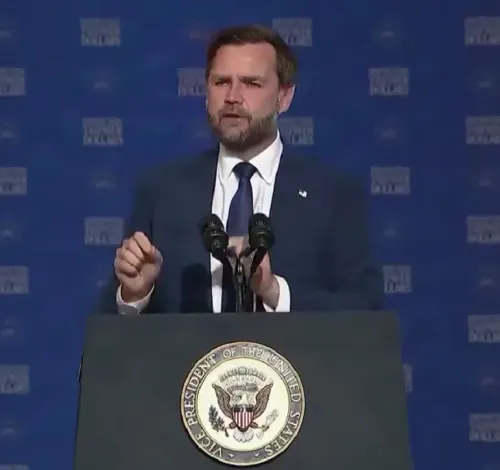
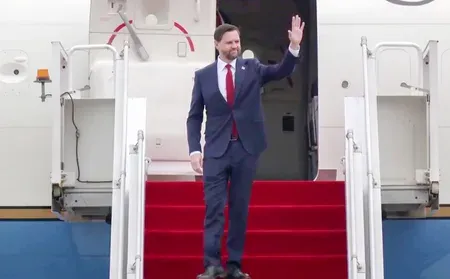
Vice President JD Vance travelled to Switzerland to open a new round of US-Iran nuclear negotiations.
Energy Secretary Chris Wright said 67 ships transited the Strait of Hormuz the previous day, with volumes back to pre-war levels.
Wright argued US military action had significantly weakened Iran's negotiating leverage and damaged its missile production capability.
Former National Security Adviser Susan Rice called the emerging framework a 'jaw-dropping, horrific surrender,' warning Iran's nuclear material remains in place.
Critics insist any final deal must include verifiable limits on Iran's nuclear activities and regional influence.
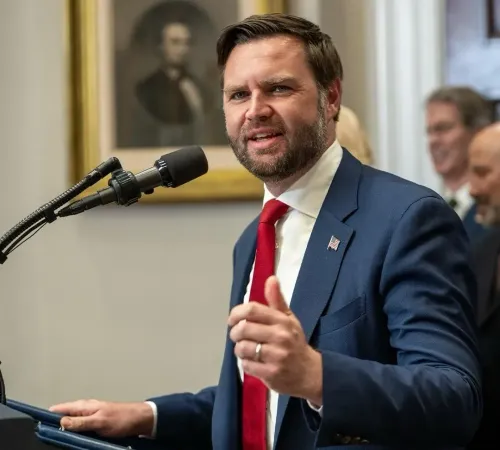
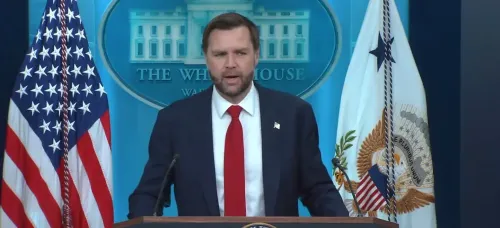
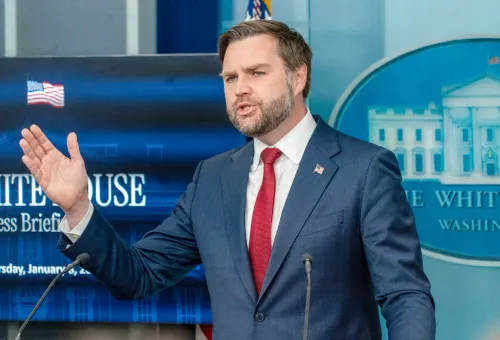
US President Donald Trump issued a sharp military warning to Iran on Sunday, 21 June, threatening harder strikes if Tehran does not curb its allied armed groups in Lebanon — even as Vice President JD Vance headed to Switzerland to open a new round of diplomatic negotiations with Iranian officials. The dual-track approach — military threat alongside active diplomacy — signals the administration's strategy of negotiating from a position of demonstrated force.
Trump's Warning and the Truth Social Post
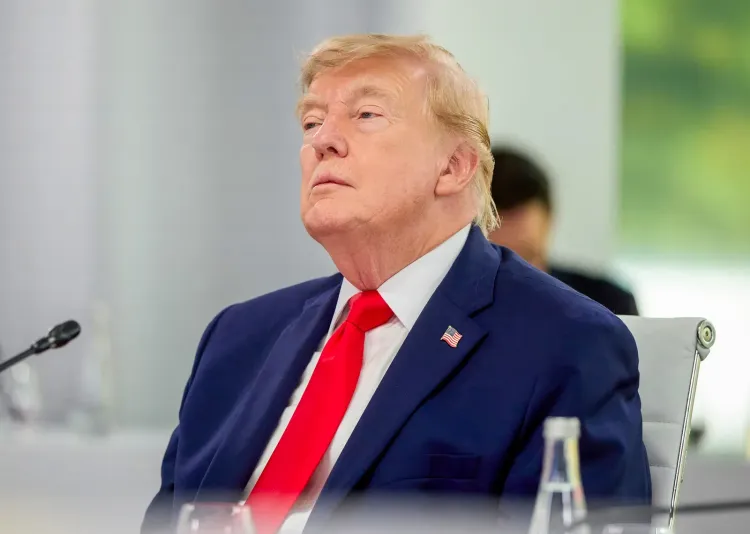
In a post on Truth Social, Trump wrote: 'Iran must immediately stop their highly paid PROXIES in Lebanon from causing trouble. If they don't, we'll hit Iran very hard again, just like we did last week, only harder!!!' The message made clear that Washington expects Tehran to restrain its regional allies as a condition running parallel to the nuclear talks, not after them.
What the Administration Said
Energy Secretary Chris Wright, speaking on ABC's 'This Week', argued that prior US military action and efforts to keep shipping flowing through the Strait of Hormuz had materially weakened Iran's negotiating hand. 'We've just never been in this situation before,' Wright said, adding that Iran no longer possessed the leverage it had carried into previous rounds of talks.
Wright said the Switzerland dialogue would help clarify Iranian objectives and the trade-offs Tehran might accept. 'I think this first candid dialogue will set out what the Iranian goals are and what they think the tradeoffs they might have to make are,' he said. He also reported that 67 ships had transited the Strait the previous day and that shipping volumes were 'about equal to where we were before the war.' He predicted further declines in energy prices, citing rising output from the United States and Venezuela alongside broader producer cooperation.
Defending the President's calculus, Wright said Trump had knowingly accepted short-term economic risk to prevent a nuclear-armed Iran. 'There's just no greater risk to energy prices, to the economy of the world, than a nuclear-armed Iran,' he said. The Secretary added that US action had significantly degraded Iran's military infrastructure and missile production capability.
Sharp Criticism from Susan Rice
Former National Security Adviser Susan Rice offered a starkly different assessment, calling the emerging framework a 'jaw-dropping, horrific surrender.' Rice argued that Washington had already granted Tehran major concessions — including the freedom to sell oil, access to the international banking system, and a path to recovering frozen assets — before securing a comprehensive agreement.
'This is a very bad outcome,' Rice said. 'It was obvious for decades that the only way to resolve this problem is through diplomacy.' She also warned that Iran's nuclear programme remained structurally intact under the proposed arrangement. 'There is nothing in that agreement that requires that the nuclear material ... will be removed from Iran,' Rice said, and she questioned whether Israel's security concerns had been adequately addressed.
Background and What Is at Stake
The negotiations follow months of military confrontation and disruption in the Strait of Hormuz, one of the world's most critical energy corridors. The Trump administration maintains that sustained military pressure forced Iran back to the table. Critics argue that diplomacy could have been pursued without armed conflict and insist that any final agreement must include verifiable limits on Iran's nuclear activities and its regional influence.
With Vice President Vance now in Switzerland and the first substantive dialogue under way, the coming days will test whether the administration's coercive framework can produce a durable deal — or whether the gap between Washington's demands and Tehran's red lines remains unbridgeable.
Point of View
But it carries a structural risk: if Tehran reads the military warning as a sign that Washington needs a deal more than it admits, the leverage calculus inverts. Susan Rice's critique — that Iran has already pocketed concessions on oil sales, banking access, and frozen assets before a final agreement — is the accountability question the administration has not answered publicly. The Strait of Hormuz shipping numbers are a useful data point, but normalised shipping and a durable nuclear settlement are very different outcomes. What happens in Switzerland will matter far less than what is verifiably written into any final text.
NationPress
20 Sept 2026
Frequently Asked Questions
Why did Trump warn Iran on 21 June 2025?
Trump warned Iran that the US would launch harder military strikes if Tehran did not stop its allied armed groups in Lebanon from 'causing trouble.' The warning, posted on Truth Social, came on the same day Vice President JD Vance began diplomatic talks with Iranian officials in Switzerland.
What are the US-Iran talks in Switzerland about?
The Switzerland negotiations are aimed at advancing a broader diplomatic settlement following months of military confrontation and disruption in the Strait of Hormuz, with Iran's nuclear programme at the centre of discussions. Energy Secretary Chris Wright said the first round of talks would help clarify Iranian objectives and the trade-offs Tehran may be willing to accept.
What did Energy Secretary Chris Wright say about Iran's position?
Wright argued that US military action and efforts to keep the Strait of Hormuz open had placed Iran in a significantly weaker negotiating position than in previous rounds of talks. He also said 67 ships had transited the Strait the previous day and that shipping volumes had returned to pre-war levels.
Why did Susan Rice criticise the emerging Iran deal?
Former National Security Adviser Susan Rice called the framework a 'jaw-dropping, horrific surrender,' arguing Washington had already granted Iran major concessions — including oil sales, banking access, and a path to frozen assets — before finalising a comprehensive agreement. She also warned that nothing in the arrangement requires Iran's nuclear material to be removed from the country.
What do critics say any final Iran deal must include?
Critics, including Rice, argue that a credible final agreement must contain verifiable limits on Iran's nuclear activities and its regional influence. They contend that diplomacy could have been pursued without prior military confrontation, and that the current framework leaves too many core issues unresolved.