Vance warns Iran: US will 'punch back harder' over Hormuz ship attacks
Synopsis
Vice President J.D. Vance publicly accused Iran of breaking a ceasefire deal within a week, warning of escalating US military strikes if Hormuz ship attacks continue. With Iran's nuclear and conventional capabilities described as already degraded, Washington is signalling it will act — not negotiate — next time.
Key Takeaways
Vance accused Iran of resuming attacks on commercial ships through the Strait of Hormuz , violating a recent understanding with Washington .
Vance said Iran complied with the ceasefire for roughly one week before restarting attacks 24 hours before his remarks.
The US-Iran arrangement centred on lifting an American blockade in exchange for Iran halting ship attacks.
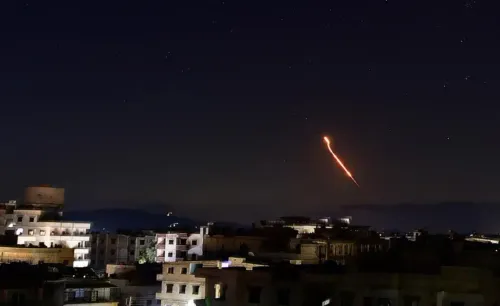
Vance warned the US would 'punch back harder than ever' and continue military strikes until the strait remains open.
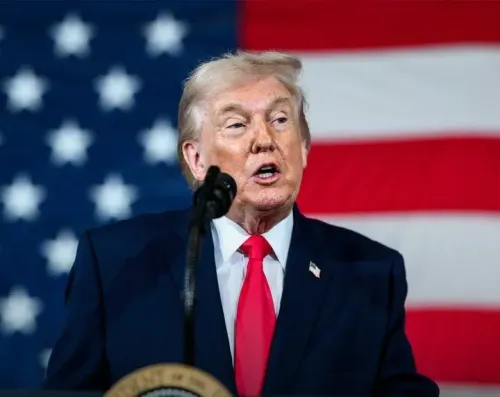
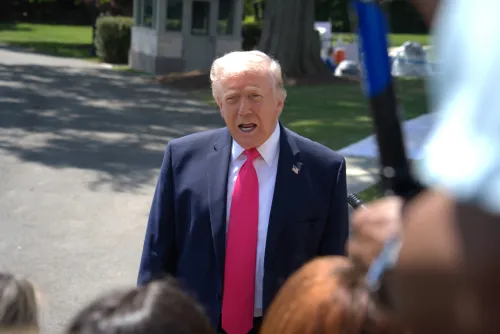
President Donald Trump 'maintains a lot of options,' according to Vance, who declined to specify future military action.
The Strait of Hormuz handles an estimated 20% of global oil trade, making its disruption a direct threat to global energy prices.
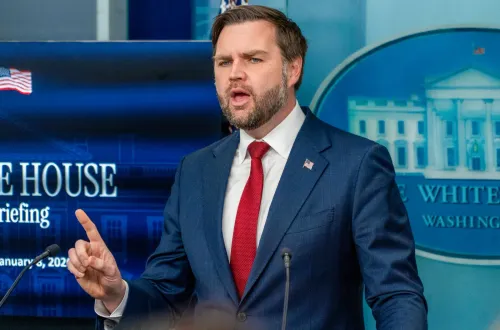
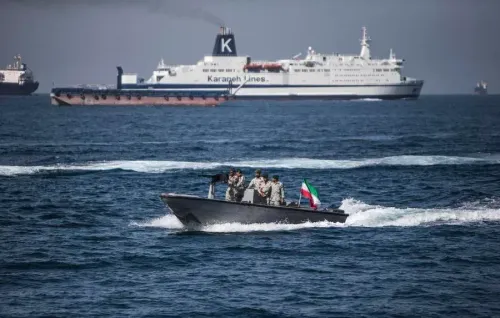
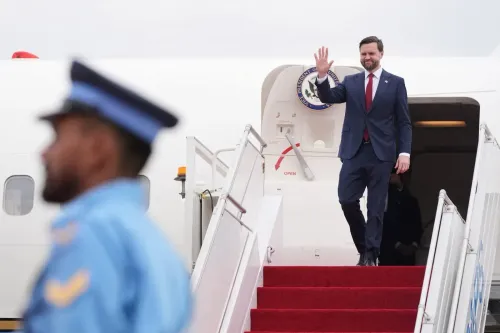
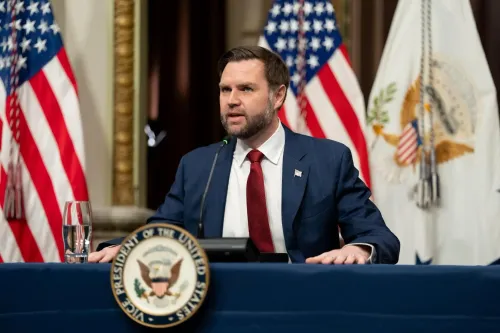
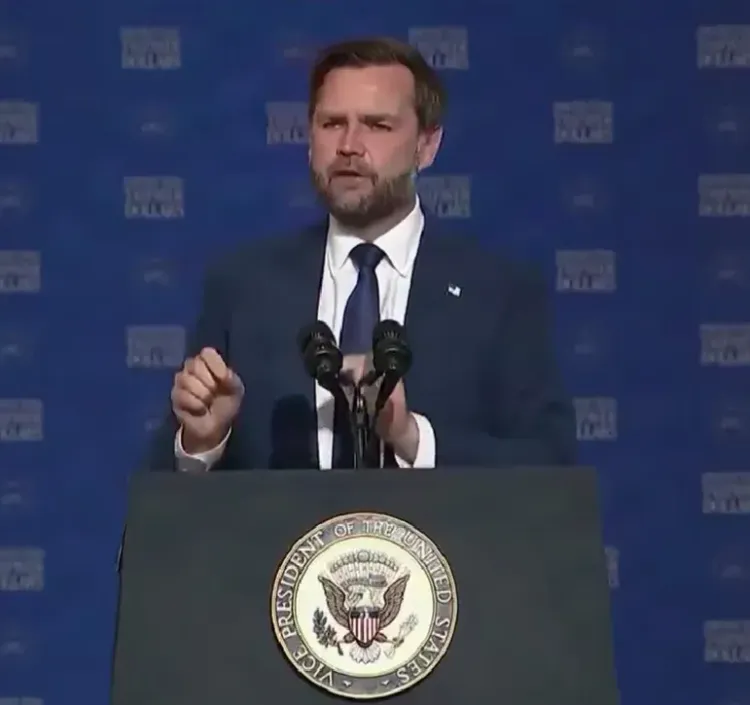
US Vice President J.D. Vance on Wednesday accused Iran of breaking a recent ceasefire understanding with Washington by resuming attacks on commercial vessels, warning that any further disruption to shipping through the Strait of Hormuz would draw a sharper American military response. Speaking in Milwaukee, Wisconsin, Vance said the Trump administration had entered a clear arrangement with Tehran — and that Iran had violated it within days.
The Deal Washington Says Iran Broke
Vance described the understanding as straightforward: the United States would lift its blockade in exchange for Iran halting attacks on commercial ships passing through the Strait of Hormuz, one of the world's most critical oil-transit corridors. According to Vance, Iran initially complied — but resumed hostilities roughly a week later.
'They said they would stop shooting at ships, and what happened 24 hours ago? They started shooting at ships again. They were good, they were well behaved for about a week, but then they started shooting at ships,' Vance said.
He characterised the original agreement as one negotiated from a position of overwhelming advantage, crediting President Donald Trump and the US military for degrading Iran's capabilities before diplomacy was attempted.
Vance's Warning in His Own Words
'We made a deal with the Iranians,' Vance said, adding that it came after the US negotiated 'from maximum leverage and maximum strength.' He went on to state that Iran's nuclear programme and conventional military had both been severely weakened, creating conditions for some Iranian officials to seek a reset with Washington.
On the consequences of further attacks, Vance was unambiguous: 'The basic deal that we cut was we'll lift our blockade if you stop shooting at ships. But if you shoot at ships, we are going to punch back, and we're going to punch back harder than ever before.'
He added: 'So the deal is very simple. If they shoot at ships, we're going to knock the hell out of them, and it's that simple.'
Strategic Stakes: Why Hormuz Matters
Vance framed keeping the Strait of Hormuz open as a direct economic priority for American consumers, linking it to falling fuel prices. 'That's why we see gas prices starting to come down. That's why we see the oil prices so low, is because the President said that crucial artery through which we ship a lot of the world's energy, that artery has got to remain open,' he said.
The strait handles an estimated 20% of global oil trade, making it the single most consequential chokepoint in world energy markets. Any sustained disruption would ripple through crude benchmarks and fuel costs globally, including in India, which is among the largest importers of Gulf crude.
What Comes Next
Vance confirmed that President Trump 'maintains a lot of options' but declined to detail potential military actions. He indicated that US strikes would continue as long as attacks on shipping persisted. The remarks signal that the window for a negotiated de-escalation remains open — but narrowing. Analysts will now watch for an official Iranian response and whether the renewed attacks represent a deliberate policy shift or a breakdown in command-and-control within Tehran.
Point of View
Rather than an adversary, suggests the Trump administration wants a negotiated outcome but is willing to sustain military pressure to get there. The harder question is whether Iran's resumed attacks reflect a deliberate policy reversal or a factional breakdown inside Tehran — and whether Washington can tell the difference before escalation becomes irreversible. For India and other major Gulf crude importers, the answer has direct economic consequences that go well beyond geopolitics.
NationPress
7 Oct 2026
Frequently Asked Questions
What did VP J.D. Vance say about Iran and the Strait of Hormuz?
Vance accused Iran of violating a ceasefire understanding with the United States by resuming attacks on commercial ships in the Strait of Hormuz. Speaking in Milwaukee on Wednesday, he warned that any further attacks would trigger a stronger US military response, stating the US would 'punch back harder than ever before.'
What was the US-Iran deal that Vance referred to?
According to Vance, the arrangement was straightforward: the United States would lift its blockade if Iran stopped attacking commercial vessels passing through the Strait of Hormuz. Vance said Iran initially complied for about a week before resuming attacks approximately 24 hours before his remarks.
Why is the Strait of Hormuz so important?
The Strait of Hormuz is one of the world's most critical oil-transit chokepoints, handling an estimated 20% of global oil trade. Vance linked keeping it open to lower American fuel prices, and any sustained disruption would affect crude prices globally, including for major importers like India.
Has the US taken military action against Iran recently?
Vance indicated that US military action had already significantly degraded Iran's nuclear programme and conventional military capabilities before the ceasefire understanding was reached. He confirmed that US strikes had occurred 'last night' in response to the renewed ship attacks, and warned they would continue.
What happens next in the US-Iran standoff?
Vance confirmed President Trump 'maintains a lot of options' but declined to detail specific military plans. The US position is that strikes will continue until Iran stops attacking ships and keeps the Strait of Hormuz open. Analysts are watching for an official Iranian response to determine whether the renewed attacks signal a deliberate policy shift.