Joshi Highlights India's 500 GW Renewable Push, Net Zero 2070 Goal

Synopsis
Union Minister Pralhad Joshi amplified PM Modi's remarks during the Prime Minister's Australia visit, reaffirming India's 500 GW renewable energy target by 2030 and net-zero goal by 2070, with a focus on building domestic manufacturing capacity in solar, wind, hydro and green hydrogen sectors.
Key Takeaways
Union Minister Pralhad Joshi shared PM Modi's statement on India's clean energy manufacturing drive on July 9, 2026 .
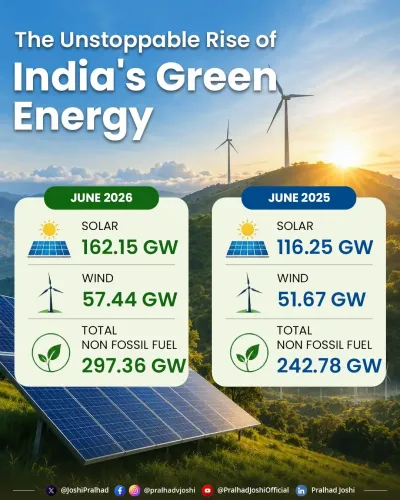
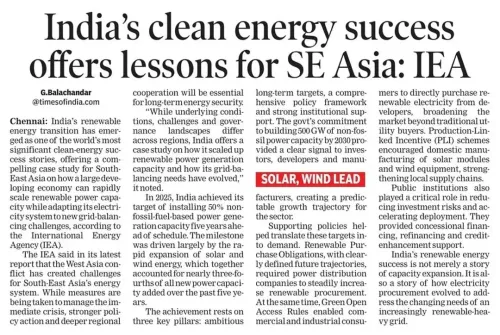
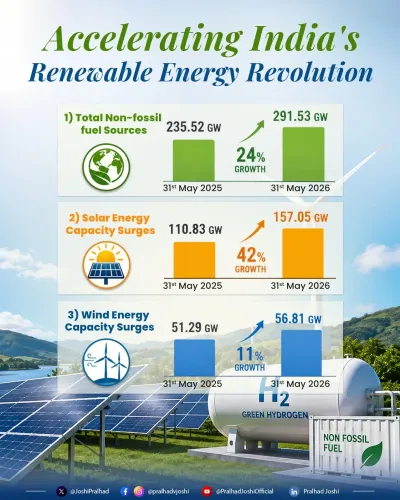
India is targeting 500 GW of renewable energy capacity by 2030 and net-zero emissions by 2070 .
The domestic manufacturing push covers hydro projects, green hydrogen , solar modules and wind turbines under the Atmanirbhar Bharat framework.
The targets were first announced under the Panchamrit strategy at COP26 in Glasgow in 2021 .
Australia is a key partner for India on critical minerals and clean energy supply chains, adding strategic weight to PM Modi's visit.
Both climate and industrial-policy objectives underpin the 2030 and 2070 targets, linking decarbonisation to economic self-reliance.
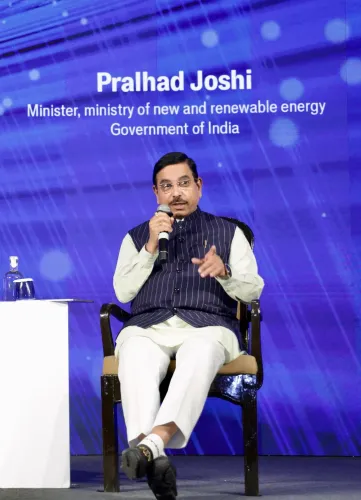
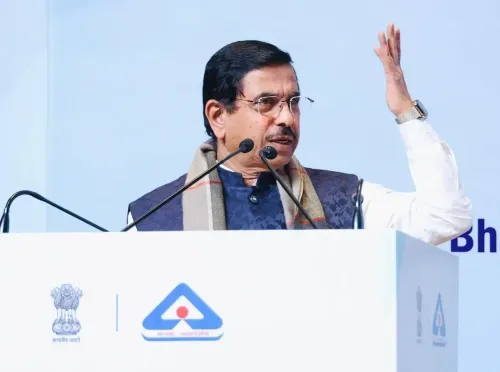
Union Consumer Affairs and New and Renewable Energy Minister Pralhad Joshi on Thursday, July 9, 2026, shared Prime Minister Narendra Modi's remarks underscoring India's drive to build a domestic manufacturing ecosystem spanning hydro projects, green hydrogen, solar modules and wind turbines, as PM Modi engaged with Australia on clean energy cooperation.
Context
Quoting PM Modi, Minister Joshi highlighted that India is targeting 500 GW of renewable energy capacity by 2030 and net-zero emissions by 2070. The post, tagged #PMModiInAustralia, came amid the Prime Minister's engagement with Australia, a country that has emerged as a key strategic partner for India on critical minerals and clean energy supply chains.
PM Modi's statement described the nation as 'building a strong manufacturing ecosystem for hydro projects, green hydrogen, solar modules and wind turbines,' framing the renewable push as central to India's journey toward a 'clean, self-reliant and sustainable energy future.'
Policy Backdrop
India's 500 GW non-fossil fuel capacity target and the 2070 net-zero commitment were first formally announced by PM Modi as part of the Panchamrit strategy at the COP26 climate summit in Glasgow in 2021. The five-point climate pledge set ambitious milestones for decarbonisation that have since shaped India's energy and industrial policy.
The domestic manufacturing drive is embedded within the broader Atmanirbhar Bharat framework, which seeks to localise production of solar modules, wind turbines, electrolysers and hydro equipment to reduce import dependence. This approach ties climate commitments directly to industrial self-reliance, making the renewable sector a pillar of economic strategy as much as an environmental one.
Green hydrogen has received particular emphasis in recent policy cycles, with the government aiming to position India as both a producer and exporter of the fuel. Domestic electrolyser manufacturing and port-based hydrogen export infrastructure are among the areas drawing policy attention.
Stakeholders and Impact
Renewable energy manufacturers — spanning solar module makers, wind turbine producers and green hydrogen developers — stand to benefit most directly from the policy environment being articulated. Localisation mandates and production-linked incentive schemes have already begun reshaping supply chains in the solar segment.
Australia's role as a critical minerals supplier gives the bilateral relationship added weight. India requires lithium, cobalt and rare earth elements for its clean energy transition, and Australia holds significant reserves of each. Agreements on these supply chains would complement the domestic manufacturing push described by PM Modi.
For consumers and the broader economy, the long-term implication is a gradual reduction in fossil fuel import bills as domestic renewable capacity scales up, alongside the creation of manufacturing employment in the clean energy sector.
What's Next
Attention will turn to concrete deliverables from PM Modi's Australia engagement, particularly any new agreements on critical minerals or green hydrogen trade. On the domestic front, progress reports on manufacturing capacity additions in solar, wind and electrolyser segments will be closely watched as the 2030 capacity deadline approaches.
With roughly four years remaining to the 500 GW milestone, the pace of both capacity addition and supply chain localisation will determine whether India's clean energy ambitions translate into measurable industrial and climate outcomes.
Point of View
Signalling coordinated government communication around India's clean energy brand. The dual framing of climate ambition and manufacturing self-reliance reflects a consistent BJP playbook: embedding environmental targets within a nationalist economic narrative. The Australia context is significant — critical minerals diplomacy is quietly becoming as important as the renewable capacity numbers themselves. How quickly India can convert these bilateral signals into binding supply chain agreements will be the real test of the 2030 roadmap's credibility.
NationPress
9 Jul 2026
Frequently Asked Questions
What is India's renewable energy target by 2030?
India has set a target of 500 GW of non-fossil fuel energy capacity by 2030 , a commitment first made by PM Modi under the Panchamrit strategy at COP26 in Glasgow in 2021.
When did India commit to net-zero emissions?
India committed to achieving net-zero emissions by 2070 , announced by PM Modi at the COP26 climate summit in Glasgow in November 2021 as part of the five-point Panchamrit climate pledge.
What is green hydrogen and why is India focusing on it?
Green hydrogen is hydrogen produced using renewable electricity through electrolysis, emitting no carbon. India is investing in domestic green hydrogen manufacturing as part of its clean energy transition and to potentially become an exporter of the fuel.
What is the Atmanirbhar Bharat connection to renewable energy?
The Atmanirbhar Bharat framework drives localisation of clean energy manufacturing — including solar modules, wind turbines, electrolysers and hydro equipment — to reduce India's import dependence and build domestic industrial capacity alongside meeting climate targets.
Why is Australia important for India's clean energy goals?
Australia holds significant reserves of critical minerals such as lithium, cobalt and rare earth elements that are essential for India's renewable energy and electric vehicle supply chains, making it a strategic partner in India's clean energy transition.