Jal Shakti Minister Paatil visits flood-hit Surat, Navsari
Synopsis
Union Jal Shakti Minister C. R. Paatil made an emergency field visit from Delhi to flood-hit Surat and Navsari districts on July 9, 2026, reviewing relief operations with local officials and providing guidance to strengthen rescue efforts amid heavy monsoon rainfall.
Key Takeaways
Paatil , Union Minister of Jal Shakti, travelled from Delhi to Surat and Navsari on July 9, 2026 in direct response to heavy monsoon flooding.
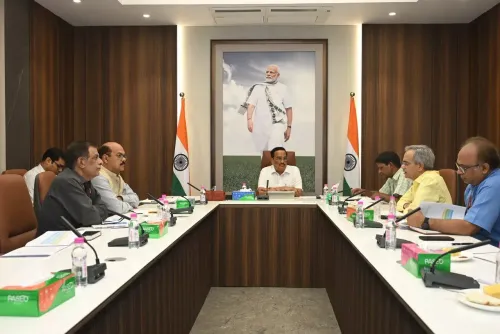
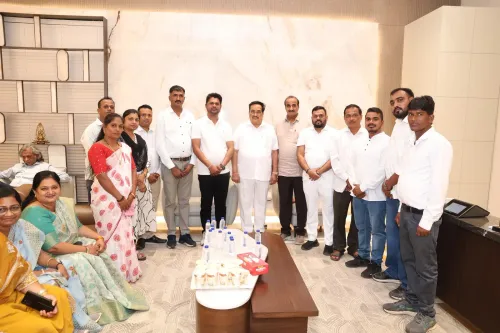
The minister conducted a detailed on-ground review with local administration, public representatives, and district officials.
He issued guidance to make relief and rescue operations 'more effective,' signalling active central oversight.
Both Surat and Navsari are recurrently flood-prone districts in south Gujarat, vulnerable to riverine and urban inundation.
The visit reflects the established pattern of Centre-state coordination in BJP-governed Gujarat during intense monsoon events.
Possible follow-up actions include augmented NDRF/SDRF deployment and announcement of central relief assistance for the affected districts.
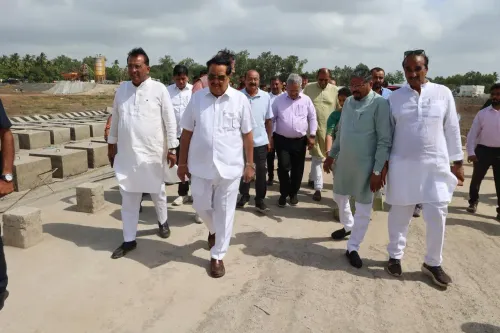
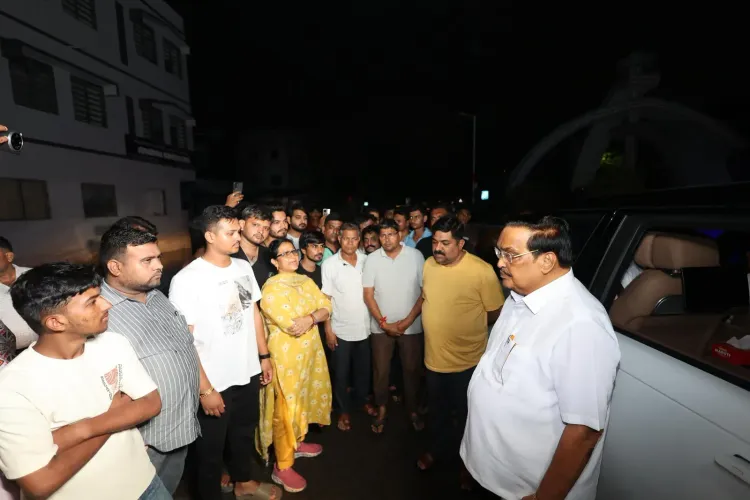
Union Jal Shakti Minister C. R. Paatil flew from Delhi on Thursday, July 9, 2026, to conduct an on-ground inspection of areas in Surat and Navsari districts of Gujarat battered by heavy monsoon rainfall, meeting local administrators and elected representatives to review relief and rescue operations.
Context
Paatil posted in Gujarati that he had undertaken an 'તાત્કાલિક અસરગ્રસ્ત વિસ્તારોની સ્થળ મુલાકાત' ('an immediate field visit to the affected areas') in response to the situation arising from heavy rainfall in the two districts. He noted that he had conducted a 'detailed review of the situation' with local administration, public representatives, and officials, and provided 'necessary guidance to ensure relief and rescue operations proceed more effectively.'
Surat, a major industrial city on the Tapi river in south Gujarat, and the adjacent Navsari district — home to large agricultural and rural communities — are recurrently vulnerable to riverine and urban flooding during intense monsoon spells.
Policy Backdrop
The Ministry of Jal Shakti, formed in May 2019 by merging the erstwhile Ministry of Water Resources with the Ministry of Drinking Water and Sanitation, carries a central mandate over water resources management and aspects of flood mitigation. The ministry's remit makes its senior leadership a key coordinating node between the Centre and state governments during flood emergencies.
Paatil, a senior BJP leader and former Gujarat state party president, brings both ministerial authority and deep familiarity with the state's administrative machinery to such visits. Field inspections by Union ministers during acute monsoon events are an established mechanism for signalling central attention and accelerating coordination with state disaster management agencies.
Stakeholders and Impact
Flood-affected residents across Surat and Navsari districts stand as the primary stakeholders, with livelihoods, homes, and agricultural land at risk during prolonged heavy rainfall. District administrations in both areas are managing on-ground relief logistics, including evacuation, shelter, and supply of essentials.
The minister's direct engagement with local officials and elected representatives is aimed at identifying gaps in the relief apparatus and expediting resource deployment. Possible outcomes from such reviews include updates to NDRF or SDRF deployment and announcements of central assistance packages for the affected districts.
What's Next
Attention will now turn to whether the Centre announces a formal relief package or augments paramilitary disaster response teams in the two districts following Paatil's ground assessment. The Gujarat state government's disaster management machinery is expected to align its operational priorities with the guidance issued during the review meeting.
With the monsoon season still in its active phase, both districts will remain under close watch, and further central intervention cannot be ruled out if rainfall intensity sustains or increases in the coming days.
Point of View
Reinforcing the BJP's political investment in Gujarat's administrative credibility ahead of any potential criticism over disaster preparedness. The visit fits a well-worn template of Union ministers providing visible top-cover for state governments during acute weather crises, turning a governance obligation into a political asset. For the Ministry of Jal Shakti, which straddles water management and flood mitigation, such field engagements also serve to assert the ministry's operational relevance beyond its core drinking-water mandate. The key test will be whether the visit translates into measurable relief outcomes — additional NDRF columns, faster compensation disbursals, or infrastructure repair commitments — or remains largely symbolic.
NationPress
9 Jul 2026
Frequently Asked Questions
Why did C. R. Paatil visit Surat and Navsari?
C. R. Paatil, Union Jal Shakti Minister, visited Surat and Navsari on July 9, 2026, to conduct an emergency field inspection of areas affected by heavy monsoon rainfall and to review the effectiveness of ongoing relief and rescue operations with district officials.
What is the Ministry of Jal Shakti's role in flood relief?
The Ministry of Jal Shakti, formed in 2019, oversees water resources management and aspects of flood mitigation in India, making it a central coordinating body between the Union government and states during flood emergencies.
Which districts in Gujarat were affected by heavy rain in July 2026?
Surat and Navsari districts in south Gujarat were reported to be severely impacted by heavy monsoon rainfall around July 9, 2026, prompting an emergency visit by Union Minister C. R. Paatil.
What action did Paatil take after visiting the flood-affected areas?
After meeting local administrators, elected representatives, and officials, Paatil provided guidance to ensure relief and rescue operations proceed more effectively, with possible follow-up including enhanced NDRF or SDRF deployment and central relief assistance.
Is Surat frequently affected by floods?
Yes, Surat — a major industrial city on the Tapi river in south Gujarat — is recurrently vulnerable to riverine and urban flooding during intense monsoon spells, and has a history of significant flood events.