Jal Shakti Minister CR Paatil Inspects Purna Tidal Dam Works in Navsari
Synopsis
Union Jal Shakti Minister C. R. Paatil visited Navsari on June 14, 2026, to inspect the Purna Tidal Regulatory Dam under construction, directing officials to ensure quality and time-bound completion of the project aimed at flood control, water conservation, and agricultural development in South Gujarat.
Key Takeaways
Union Jal Shakti Minister C.
Paatil inspected the Purna Tidal Regulatory Dam in Navsari, Gujarat on June 14, 2026 .
The inspection was conducted under the Pragati Path Yatra initiative, with officials receiving direct guidance on quality and timelines.
The dam is designed to serve three functions: water conservation, flood control, and agricultural development in South Gujarat.
The project addresses tidal ingress and riverine flooding along the Purna river , which affects coastal farming communities in Navsari district.
Minister Paatil directed officials to ensure time-bound and quality-driven implementation of the project.
Project milestones and possible budget allocations in the 2026-27 fiscal cycle remain key items to watch ahead of the monsoon session of Parliament.
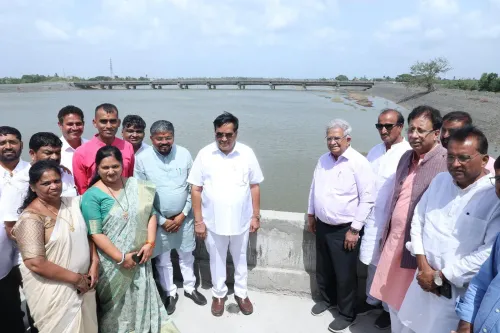
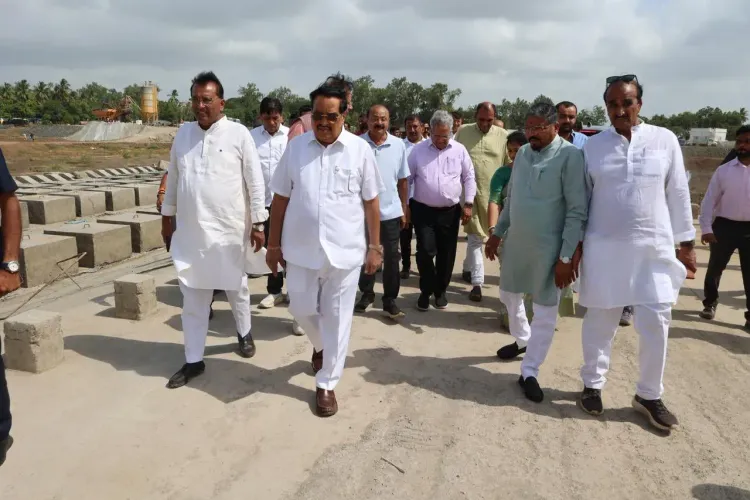
Union Jal Shakti Minister C. R. Paatil on Sunday, June 14, 2026, inspected the ongoing construction works of the Purna Tidal Regulatory Dam in Navsari, Gujarat, as part of the Pragati Path Yatra (Progress Path Journey), reviewing the project's pace and quality alongside senior officials.
Context
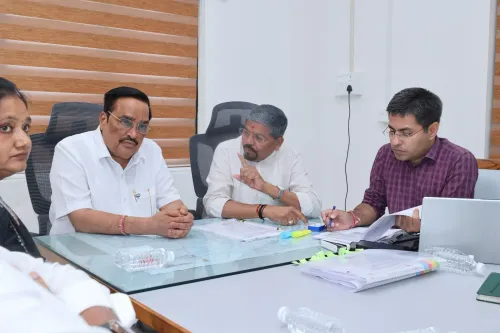
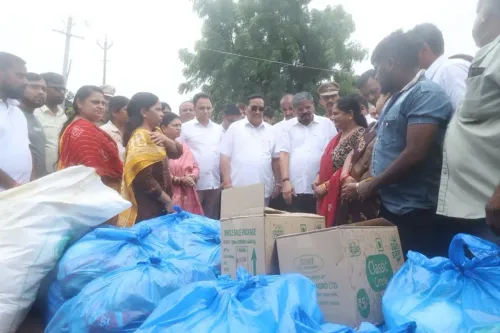
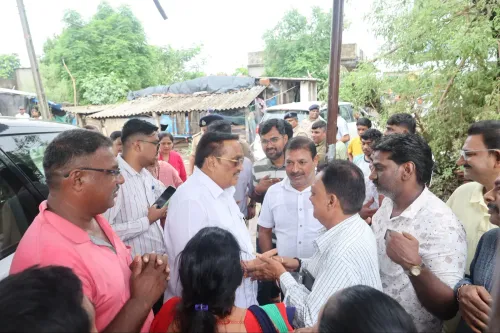
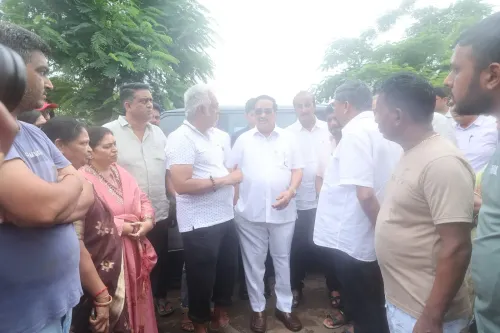
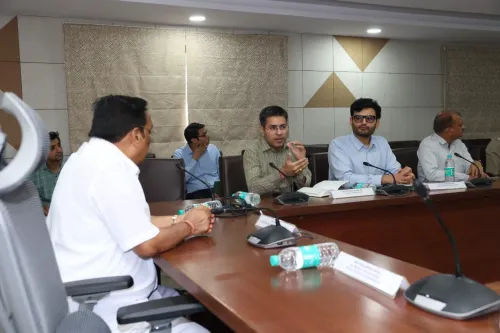
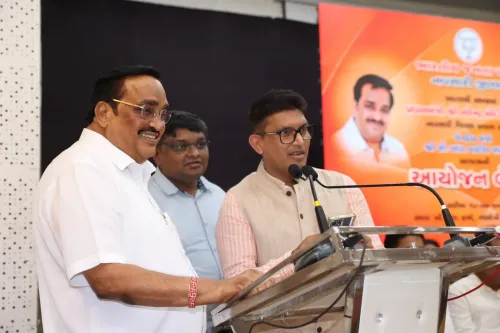
Posting in Gujarati on X, Minister Paatil stated: 'Today, under the Pragati Path Yatra at Navsari, I inspected the ongoing works of the Purna Tidal Regulatory Dam. This important project will give new direction to water conservation, flood control, and agricultural development.' He added that he held 'necessary discussions with officials and provided guidance to make this public-interest work more effective through quality-driven and time-bound implementation.'
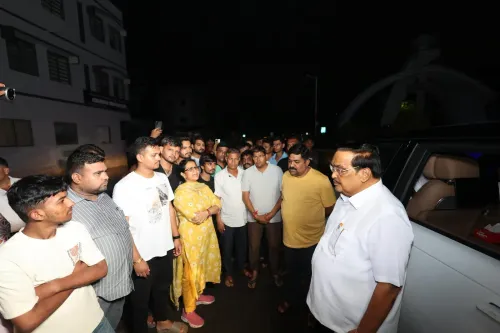
The inspection was accompanied by four photographs documenting the site visit. Navsari is a coastal district in southern Gujarat, known for its agricultural output and its vulnerability to seasonal flooding from river systems including the Purna river.
Policy Backdrop
The Purna Tidal Regulatory Dam is a multi-purpose hydraulic structure designed to address three overlapping challenges: tidal ingress from the coast, riverine flooding during the monsoon, and the need for reliable water storage for irrigation. Such projects align with the Jal Shakti Ministry's post-2014 emphasis on combining storage, tidal control, and agricultural utility in a single structure.
The broader framework draws from the Jal Jeevan Mission, launched in 2019, which integrated water conservation, supply, and flood management components across states including Gujarat. On-site ministerial reviews of this kind are part of a pattern of central oversight of state-level water infrastructure in BJP-governed Gujarat, aimed at linking flood regulation directly to irrigation gains for farming communities.
Stakeholders and Impact
The primary beneficiaries of the project are farmers in South Gujarat and coastal communities in and around Navsari district. By regulating tidal flows, the dam is intended to prevent saltwater intrusion into agricultural land — a recurring problem along Gujarat's southern coast — while simultaneously storing freshwater for crop use during dry spells.
Flood control is the other critical dimension. The Purna river basin has historically experienced significant inundation during heavy monsoon periods, affecting both livelihoods and infrastructure. A functional tidal regulatory structure would reduce downstream flood risk for communities settled along the river.
What's Next
Minister Paatil's directive for 'time-bound implementation' signals that project completion timelines are under active central scrutiny. Observers will watch for any supplementary budget allocations in the 2026-27 fiscal cycle that could accelerate works, as well as possible references to the project during the upcoming monsoon session of Parliament.
With the monsoon season imminent, the pace of construction and the dam's interim flood-management readiness will be closely tracked by both state authorities and farming communities dependent on the Purna river system for their agricultural calendar.
Point of View
Where flood-prone coastal districts double as politically significant constituencies. By framing the Purna dam inspection under the branded 'Pragati Path Yatra,' the ministry signals an intent to create a narrative of accountable, on-ground governance rather than remote administration. The emphasis on 'time-bound implementation' is notable ahead of the monsoon session of Parliament, where opposition parties have historically raised questions about incomplete irrigation and flood-control projects. This visit also reinforces the Jal Shakti Ministry's broader strategy of positioning multi-purpose hydraulic structures as convergence points for water security, farm productivity, and disaster resilience under a single policy umbrella.
NationPress
14 Sept 2026
Frequently Asked Questions
What is the Purna Tidal Regulatory Dam in Navsari?
The Purna Tidal Regulatory Dam is a multi-purpose hydraulic structure being built in Navsari district, Gujarat, designed to regulate tidal ingress, control monsoon flooding, and store freshwater for agricultural irrigation in the South Gujarat region.
Why did CR Paatil visit Navsari on June 14, 2026?
Union Jal Shakti Minister C. R. Paatil visited Navsari on June 14, 2026, under the Pragati Path Yatra initiative to inspect the ongoing construction of the Purna Tidal Regulatory Dam and review progress with officials, directing them to ensure quality and timely completion.
What is the Pragati Path Yatra?
Pragati Path Yatra, which translates to 'Progress Path Journey,' is an initiative under which Minister C. R. Paatil conducts on-site inspections of infrastructure and development projects, as referenced in his June 14 post from Navsari.
How will the Purna dam benefit farmers in Gujarat?
The Purna Tidal Regulatory Dam is expected to prevent saltwater intrusion into farmland along Gujarat's southern coast, provide stored freshwater for irrigation, and reduce flood damage to agricultural land during the monsoon season.
What ministry is responsible for the Purna Tidal Regulatory Dam project?
The Union Ministry of Jal Shakti, headed by Minister C. R. Paatil, oversees water resource and river development projects including the Purna Tidal Regulatory Dam in Navsari, Gujarat.