Jal Shakti Minister Paatil Visits Flood-Hit Sonwadi Village
Synopsis
Union Jal Shakti Minister C. R. Paatil visited Sonwadi village in Gujarat on 25 July 2026 to assess flood damage from heavy monsoon rains. He spoke with affected residents, reviewed relief efforts, and instructed local officials to restore normalcy swiftly.
Key Takeaways
Union Jal Shakti Minister C.
Paatil visited Sonwadi village on 25 July 2026 amid heavy monsoon flooding.
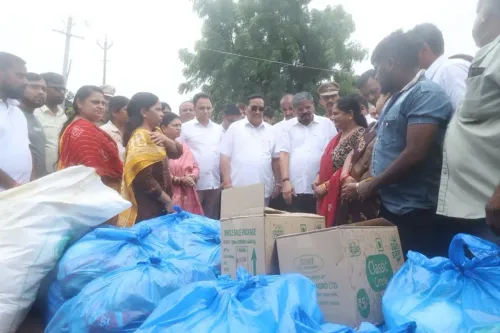
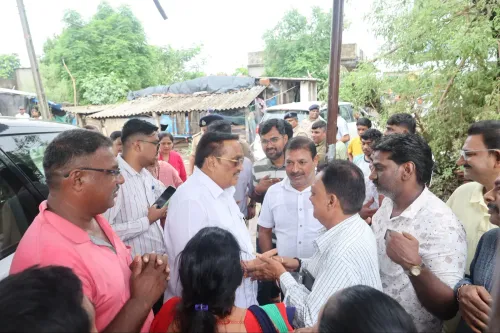
He held direct conversations with flood-affected villagers to understand their difficulties and assess ground conditions.
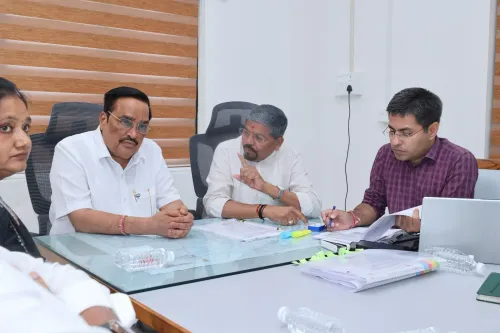
Paatil reviewed relief and assistance operations with local officials and directed them to ensure timely help reaches affected residents.
He instructed the administration to work towards restoring normalcy in rain-hit areas as quickly as possible.
The visit reflects the Ministry of Jal Shakti's broader role in coordinating central-state disaster response during the monsoon season.
Subsequent central government announcements on flood mitigation funding or infrastructure support for Gujarat will be closely watched.
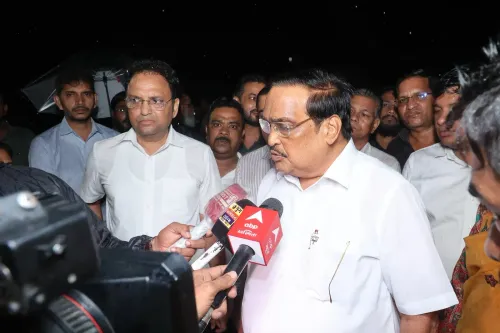
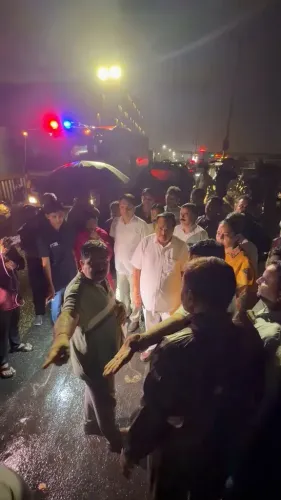
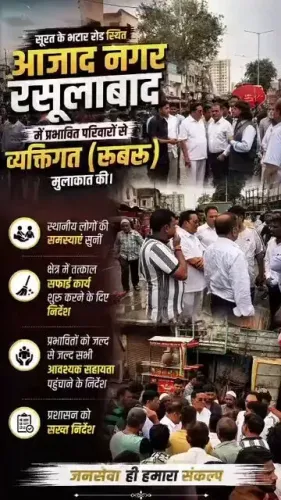
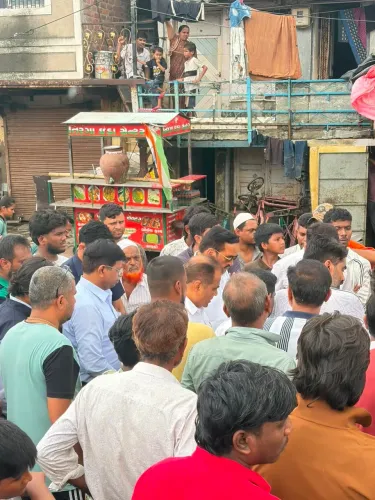
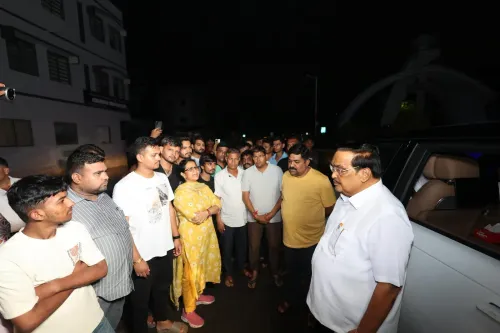
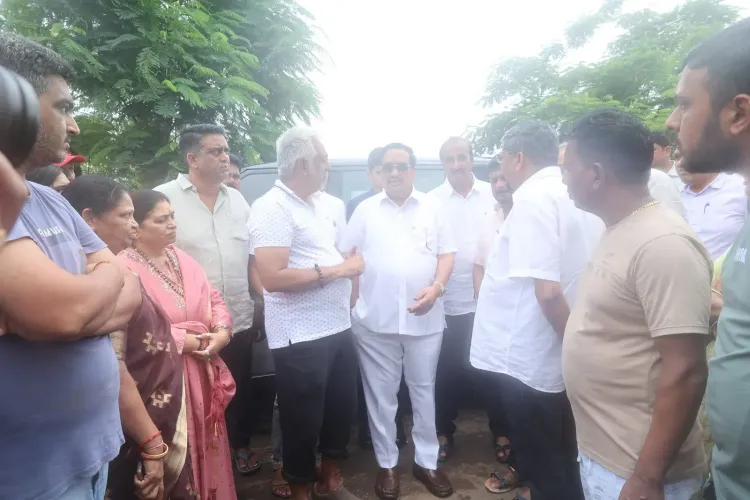
Union Jal Shakti Minister C. R. Paatil visited Sonwadi village on Saturday, 25 July 2026, to assess ground conditions following heavy monsoon rainfall that has disrupted normal life in the area. He held direct conversations with affected residents, reviewed ongoing relief operations, and directed local officials to ensure timely assistance reaches all rain-hit zones.
Context
Paatil posted on X in Gujarati, stating — 'ભારે વરસાદને કારણે સર્જાયેલી પરિસ્થિતિ વચ્ચે સોનવાડી ગામની મુલાકાત લઈ સ્થાનિક પરિસ્થિતિનો તાગ મેળવ્યો' ('Visited Sonwadi village amid the situation created by heavy rainfall to gauge the local conditions'). He added that he spoke directly with villagers to understand their hardships and held discussions with relevant officials on relief and necessary assistance. The visit reflects the urgency of the monsoon situation in Gujarat, a state that routinely faces intense rainfall and flooding during the June–September monsoon season.
Policy Backdrop
The Ministry of Jal Shakti, created in May 2019 by merging the former Ministry of Water Resources with the Ministry of Drinking Water and Sanitation, carries a mandate that spans long-term water infrastructure as well as coordination on flood-related emergencies. While primary disaster response rests with state governments and district administrations, central ministers conducting on-site visits during natural calamities is a well-established practice in India's disaster management framework. It enables direct accountability and faster coordination between New Delhi and state machinery.
C. R. Paatil, a senior BJP leader and former Gujarat BJP state president, brings both political familiarity with the state and ministerial authority to such field visits. His dual standing — as a central minister and a figure deeply rooted in Gujarat politics — positions him to bridge central resources and local administrative needs swiftly.
Stakeholders and Impact
The immediate stakeholders are the flood-affected residents of Sonwadi and surrounding villages, whose livelihoods, homes, and access to basic services can be severely disrupted by heavy rainfall events. Paatil directed the administration — 'તંત્રને જરૂરી કામગીરી કરવા સૂચના આપી' ('instructed the administration to carry out necessary work') — to restore normalcy as quickly as possible. Local officials responsible for relief distribution, road clearance, and emergency services are now expected to act on those instructions with heightened urgency.
At a broader level, such ministerial interventions signal to district and state-level machinery that the matter is under central scrutiny, often accelerating the pace of relief deployment and administrative response.
What's Next
Attention will now turn to whether the relief operations on the ground translate into sustained support for affected families once immediate floodwaters recede. Any subsequent announcements regarding central government funding for flood mitigation infrastructure or compensation packages for Gujarat's rain-hit districts will be closely watched. The visit may also precede a formal review meeting between central and state officials on monsoon preparedness and damage assessment — a standard step in India's post-flood administrative protocol.
Point of View
Reinforcing the party's image as a responsive administration in its home state of Gujarat. As Jal Shakti Minister, his presence also subtly underscores the ministry's expanding role beyond water infrastructure into real-time disaster coordination. The visit is unlikely to shift policy in isolation, but it signals that central attention is focused on Gujarat's monsoon crisis — which could accelerate state-level relief disbursements. Whether it translates into durable flood-mitigation commitments or remains a one-day optic will define its actual policy weight.
NationPress
24 Oct 2026
Frequently Asked Questions
Why did CR Paatil visit Sonwadi village?
CR Paatil visited Sonwadi village on 25 July 2026 to assess the situation caused by heavy monsoon rainfall, speak with flood-affected residents, and direct local officials to speed up relief operations.
What is the Jal Shakti Ministry's role in flood relief?
The Ministry of Jal Shakti, formed in 2019, coordinates on water resources and flood-related emergencies. While states lead disaster response, the ministry facilitates central-state coordination and can channel resources toward affected areas.
Where is Sonwadi village?
Sonwadi is a village in Gujarat, a western Indian state that frequently experiences heavy monsoon rainfall and flooding during the June–September monsoon season.
What instructions did CR Paatil give to officials after the Sonwadi visit?
Paatil instructed the local administration to ensure timely assistance reaches all rain-hit areas and to take necessary steps to restore normal life as quickly as possible.
What happens after a Union minister visits a flood-affected area?
Such visits typically accelerate relief deployment by placing central scrutiny on district and state machinery. They may also precede formal review meetings and announcements on flood mitigation funding or compensation packages.