White House pushes American fisheries first, targets seafood import gap
Synopsis
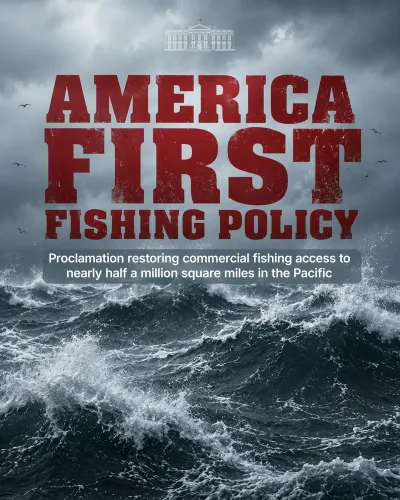
The White House says the U.S. imports most of its seafood despite world-class fisheries, and President Trump is acting to reverse that — directing consumers and businesses to Seafood.Gov as part of an ongoing America First push for domestic fishing industries.
Key Takeaways
The White House posted on October 24, 2026 highlighting the U.S. seafood import paradox despite abundant domestic fisheries.
President Trump is promoting an 'America First' approach to fisheries, supporting domestic producers over foreign imports.
The federal portal Seafood.Gov serves as the administration's consumer-facing hub for domestic seafood access and industry support.
The policy has roots in Executive Order 13921 , signed in 2020 , which targeted American seafood competitiveness and sustainable domestic production.
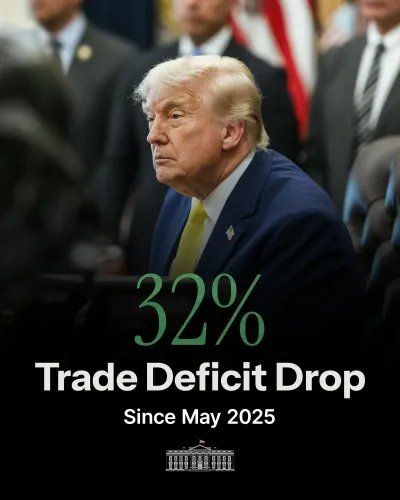
The fisheries push is part of a broader White House pattern of addressing trade imbalances across agriculture, energy, and manufacturing.
Key stakeholders — American fishermen, processors, and consumers — stand to benefit if import reliance is meaningfully reduced.
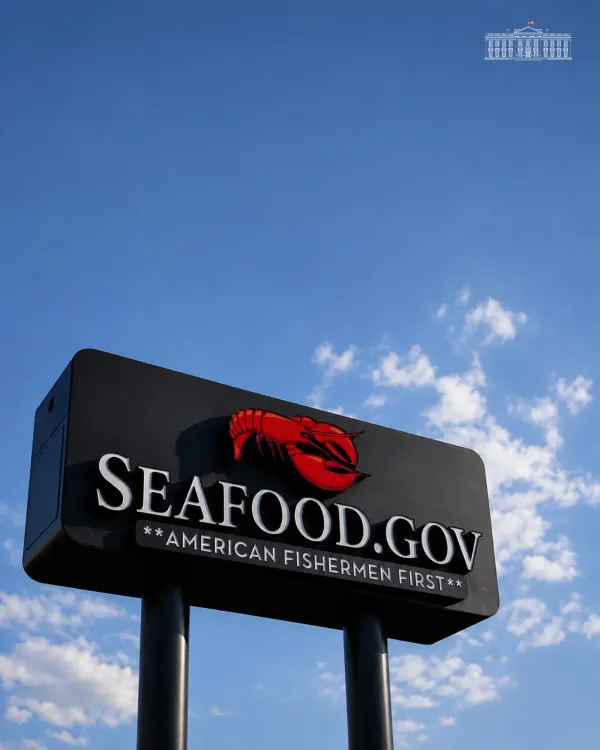
The United States sits atop some of the most productive fishing waters on the planet — yet it imports the majority of the seafood its citizens eat. The White House called out that paradox sharply on Friday, October 24, 2026, declaring that President Donald Trump is moving to put 'American fisheries and consumers FIRST' and directing the public to the federal portal Seafood.Gov.
The import gap that launched a policy push
The core tension is stark: the U.S. holds some of the world's most abundant and well-managed fisheries — from the cold waters of Alaska to the Gulf of Mexico — yet American consumers routinely eat seafood caught or farmed abroad. Domestic fishing businesses, the White House argues, bear the cost of that imbalance while foreign competitors fill American plates.
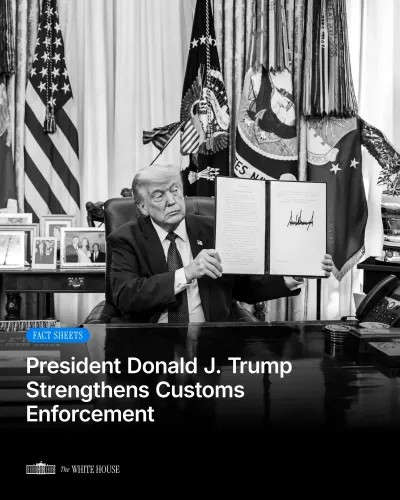
The messaging is not new to the Trump administration. Back in 2020, President Trump signed Executive Order 13921, 'Promoting American Seafood Competitiveness,' which aimed to expand sustainable domestic production, streamline permits, and reduce regulatory drag on fishermen. The current push appears to extend that policy momentum into the administration's latest term.
Seafood.Gov as the front door for domestic industry
The post points readers directly to Seafood.Gov, the official U.S. government portal designed to connect consumers with domestically caught and farmed products, support fishing businesses, and surface data on American seafood supply chains. The platform functions as both a promotional tool and a policy-delivery mechanism — the kind of infrastructure that turns an executive order into a consumer-facing reality.
The broader White House framing fits a well-worn pattern across this administration: spotlighting trade imbalances in sectors — agriculture, energy, manufacturing — where the U.S. carries clear productive capacity but still leans on imports. Fisheries is the latest front in that narrative.
Who stands to gain — and what comes next
The stakeholders are concrete: American fishermen who compete against lower-cost imported product, domestic seafood processors and distributors who argue the playing field is uneven, and U.S. consumers whom the administration says deserve better access to home-caught fish. Whether the Seafood.Gov push is accompanied by new executive actions, tariff measures, or expanded regulatory rollbacks on domestic fishing operations remains the live question.
For now, the White House has planted a flag — the fisheries fight is officially back on the agenda, and the government has a website ready to prove it.
Point of View
This push suggests the administration is deepening rather than simply repeating its domestic-production playbook. The real test will be whether regulatory action or trade measures follow the promotional push, or whether Seafood.Gov remains a messaging vehicle without structural market change.
NationPress
24 Oct 2026
Frequently Asked Questions
Why does the US import most of its seafood if it has strong domestic fisheries?
Despite world-class fishing waters, the U.S. imports the majority of its seafood because imported products are often cheaper due to lower labour and regulatory costs abroad. Domestic fishermen and processors argue they cannot compete on price alone without policy support.
What is Seafood.Gov?
Seafood.Gov is an official U.S. government portal that promotes domestically caught and farmed seafood, connects consumers with American products, and supports the domestic fishing industry with resources and data.
What did Trump do for US fisheries in his first term?
President Trump signed Executive Order 13921 in 2020 , titled 'Promoting American Seafood Competitiveness,' which aimed to expand sustainable domestic seafood production, reduce regulatory burdens, and cut U.S. dependence on seafood imports.
How does the White House seafood policy affect Indian seafood exports to the US?
India is one of the largest seafood exporters to the United States. A sustained American push to favour domestic fisheries over imports — through regulatory changes or tariffs — could affect Indian exporters, particularly in the shrimp and processed seafood segments, though no specific new measures have been confirmed.
What could the Trump administration do next on seafood imports?
Possible next steps include new executive or regulatory actions targeting import-heavy seafood categories, expanded programs on Seafood.Gov, or tariff measures. No specific new policies have been officially announced beyond the current promotional push.