Trump Signs Proclamation Reopening Pacific Fishing Zones
Synopsis
President Trump signed a proclamation on June 11, 2026, reopening over half a million square miles of Pacific waters to commercial fishing, reversing a 2016 ban tied to the Papahānaumokuākea Marine National Monument expansion and marking a major deregulatory shift in US ocean policy.
Key Takeaways
President Trump signed a proclamation on June 11, 2026 , restoring commercial fishing access to over 500,000 square miles of Pacific Ocean waters.
The action reverses commercial fishing restrictions tied to the Papahānaumokuākea Marine National Monument , which was expanded to 582,578 square miles in 2016 under President Obama.
The proclamation was issued under the Antiquities Act of 1906 , the same legal authority used to designate and expand marine monuments.
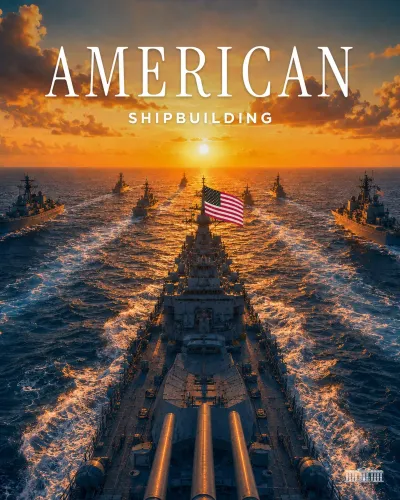
The White House framed the move as cutting regulations, lowering costs, and prioritising American seafood producers.
Federal agencies including NOAA are expected to begin rulemaking to implement the reopened fishing zones.
Marine conservation groups are expected to mount legal challenges to the proclamation.
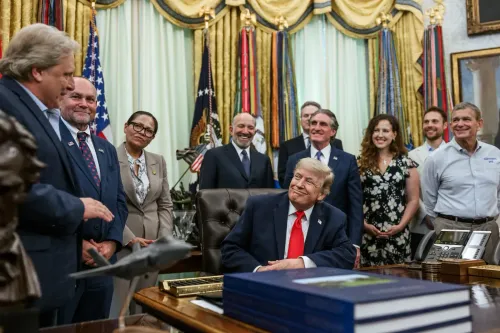
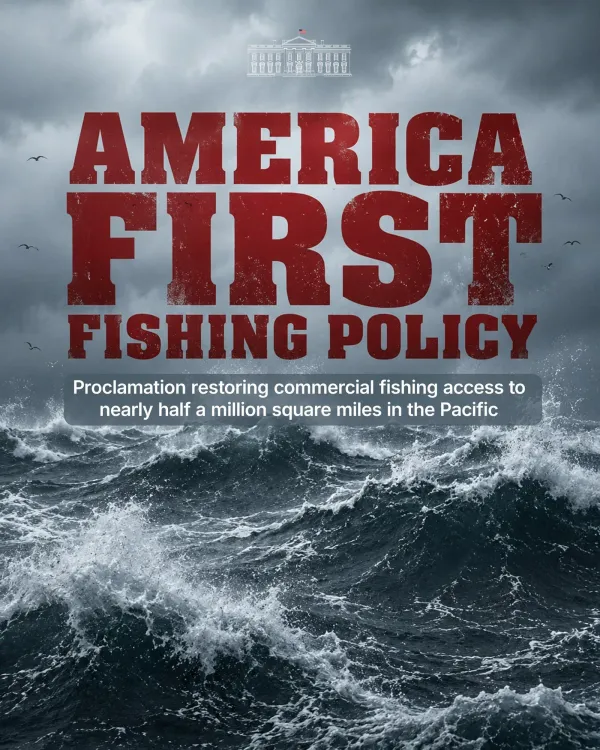
President Donald Trump signed a proclamation on Thursday, June 11, 2026, restoring commercial fishing access to over half a million square miles in the Pacific Ocean, the White House announced via its official communications channel. The move reverses longstanding restrictions on commercial fishing in a vast stretch of the Pacific, framing the action as a boost to American seafood producers and a rollback of regulatory burdens on the fishing industry.
Context
The White House described the proclamation as a 'massive win for America's fishermen,' stating it would 'revitalize the industry, cut regulations, lower costs, and put American seafood producers first.' The announcement specifically cited the restoration of commercial fishing access across more than 500,000 square miles of Pacific waters — an area that aligns closely with the boundaries of the Papahānaumokuākea Marine National Monument, the vast protected zone in the Northwestern Hawaiian Islands and surrounding Pacific.
The monument, originally designated in 2006, was dramatically expanded in 2016 to cover 582,578 square miles, at the time making it the world's largest marine protected area. That expansion explicitly prohibited commercial fishing within its boundaries, a restriction that domestic fishing interests have contested for years.
Policy Backdrop
The legal instrument used is the Antiquities Act of 1906, which grants the sitting president authority to designate and modify national monuments on federal lands and waters. Successive administrations have used this authority in opposing directions — expanding monument protections or adjusting allowable uses — reflecting the enduring tension between conservation mandates and domestic industry priorities.
Trump, in his current term as the 47th President, has pursued broad deregulation across resource-extraction sectors. This proclamation fits a consistent pattern of using executive authority to roll back restrictions imposed by prior administrations, particularly in areas such as energy, mining, and now marine fisheries. Federal agencies including NOAA and the Department of the Interior are expected to undertake rulemaking to operationalise the newly reopened fishing zones.
Stakeholders and Impact
Commercial fishermen and seafood producers along the US Pacific Coast and in Hawaii stand to benefit most directly, gaining access to fishing grounds that have been off-limits for nearly a decade. Industry groups have long argued that the monument's commercial fishing ban displaced American vessels, reduced domestic seafood supply, and increased dependence on imported fish.
Marine conservation organisations are expected to mount opposition, arguing that removing fishing restrictions from such a large and ecologically significant area threatens biodiversity, coral ecosystems, and the long-term sustainability of fish stocks. Legal challenges under environmental statutes are a foreseeable next step, as has been the pattern with previous monument modifications.
What's Next
Federal rulemaking by NOAA and relevant agencies will determine the precise timeline and conditions under which commercial vessels can re-enter the newly accessible zones. Congressional oversight hearings are likely, with lawmakers from both parties weighing in on the balance between industry access and marine conservation. Environmental groups are expected to file legal challenges contesting the proclamation's scope and its consistency with existing conservation law. The outcome of those proceedings will determine how durable this policy shift proves to be.
Point of View
The administration signals that no monument boundary, however large, is beyond executive revision. For Indian observers, the move is relevant as a template: it illustrates how executive proclamations can rapidly redraw the regulatory map for natural-resource industries, with consequences for global seafood trade and supply chains that reach Asian markets. The durability of this shift will depend almost entirely on the federal courts, where monument-modification cases have produced inconsistent outcomes.
NationPress
20 Sept 2026
Frequently Asked Questions
What did Trump sign regarding Pacific fishing in 2026?
President Trump signed a proclamation on June 11, 2026, restoring commercial fishing access to over 500,000 square miles of Pacific Ocean waters, reversing restrictions that had been in place since the 2016 expansion of the Papahānaumokuākea Marine National Monument.
What is the Papahānaumokuākea Marine National Monument?
Papahānaumokuākea is a large marine protected area in the Northwestern Hawaiian Islands and surrounding Pacific, originally designated in 2006 and expanded in 2016 to 582,578 square miles. Commercial fishing was prohibited within its boundaries following the 2016 expansion.
Can the US president change marine monument rules?
Yes. Under the Antiquities Act of 1906, the president has authority to designate, expand, or modify national monuments on federal lands and waters. Multiple presidents have used this authority, leading to a pattern of expansions and rollbacks depending on the administration.
How does Trump's Pacific fishing order affect seafood supply?
The proclamation is expected to increase access for US commercial fishing fleets, potentially raising domestic seafood production and reducing reliance on imported fish. However, the full impact depends on federal rulemaking and any legal challenges that may delay implementation.
Will environmental groups challenge Trump's Pacific fishing proclamation?
Marine conservation organisations are widely expected to file legal challenges, arguing that removing commercial fishing restrictions from a protected monument area threatens biodiversity and fish stock sustainability. Court rulings on previous monument modifications have been inconsistent, making the outcome uncertain.