Trump Signs Presidential Proclamation on June 11, 2026
Synopsis
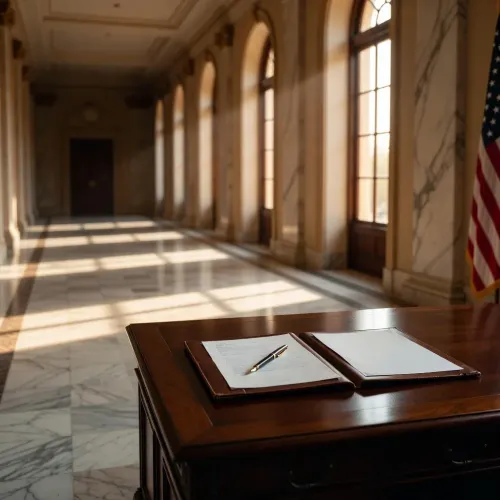
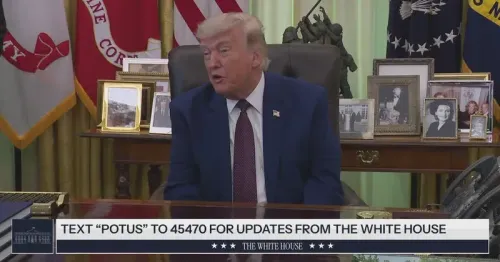
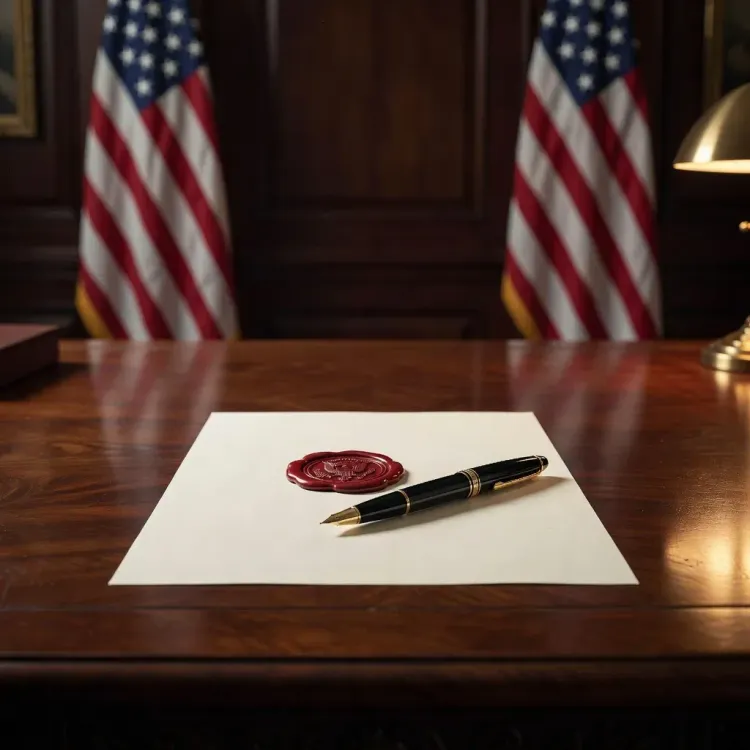
President Donald Trump signed a presidential proclamation on June 11, 2026, the White House announced. The subject of the proclamation was not specified in the announcement. The full text is expected to be published in the Federal Register, with stakeholder and congressional reactions to follow.
Key Takeaways
President Donald Trump signed a presidential proclamation on June 11, 2026 , as confirmed by the White House.
The specific subject of the proclamation was not disclosed in the official announcement post.
Presidential proclamations are formal executive instruments that can carry the force of law depending on their subject matter.
The full text is expected to be published in the Federal Register , the official journal of the U.S. federal government.
During his first term, Trump used proclamations for actions including steel and aluminium tariffs in 2018 and various national observances.
Congressional leaders and federal agencies are expected to respond once the proclamation's content is made public.
The White House announced on Thursday, June 11, 2026, that President Donald Trump signed a formal presidential proclamation, continuing the long-standing executive practice of issuing binding or commemorative directives through this constitutional instrument.
Context
Presidential proclamations are among the oldest formal instruments of executive authority in the United States. They carry the force of law in certain contexts and have been used by administrations of both parties for purposes ranging from declaring national emergencies to designating commemorative observances and announcing trade measures.
The White House's announcement, shared on June 11, 2026, confirmed only that a proclamation had been signed, without specifying its subject in the post itself. The full text of the proclamation is expected to be published in the Federal Register, the official journal of the U.S. federal government.
Policy Backdrop
During his first term as the 45th President from 2017 to 2021, Trump signed proclamations spanning a wide range of policy domains. These included trade-related measures such as steel and aluminium tariffs in 2018, as well as commemorative proclamations marking national observances.
The tradition of presidential proclamations dates back centuries. The annual Thanksgiving proclamation, for instance, has been a continuous practice since 1863. The mechanism allows a sitting president to act with speed and directness, bypassing the legislative process for actions that fall within executive authority.
Stakeholders and Impact
Depending on the subject of the proclamation, the affected parties could range from U.S. citizens broadly to specific industries, federal agencies, or foreign governments. Proclamations with legal effect — such as those invoking trade statutes or national emergency powers — can have immediate and wide-ranging consequences for businesses and individuals alike.
Until the full text is released and reviewed, the precise scope of this action and its implications for stakeholders remain unclear. Congressional leaders and relevant federal agencies are expected to respond once the content is made public.
What's Next
The complete text of the June 11, 2026 proclamation is anticipated to be published through official White House channels and in the Federal Register. Analysts and lawmakers will scrutinise the document for any substantive policy directives, legal mandates, or designations it may contain.
Any related agency guidance, implementation orders, or congressional reaction will follow in the hours and days after the full proclamation text becomes available. This signing underscores the continued use of direct executive instruments as a primary tool of governance in the current administration.
Point of View
Yet equally capable of triggering significant legal and policy consequences. For an administration that leaned heavily on trade and emergency proclamations during its first term, any new signing will draw immediate attention from both allies and adversaries in Congress. The absence of detail in the announcement itself is likely to amplify, not reduce, that scrutiny.
NationPress
26 Oct 2026
Frequently Asked Questions
What is a presidential proclamation in the United States?
A presidential proclamation is a formal executive document issued by the U.S. president that can carry legal force or serve a ceremonial purpose, such as designating national observances or announcing trade measures. It is published in the Federal Register.
What did Trump sign on June 11, 2026?
President Trump signed a presidential proclamation on June 11, 2026, as announced by the White House. The specific subject of the proclamation was not disclosed in the announcement, and the full text is pending public release.
What is the difference between a presidential proclamation and an executive order?
Both are executive instruments, but proclamations are traditionally directed at parties outside the federal government — such as citizens or foreign nations — while executive orders primarily govern the internal operations of the federal government. In practice, both can carry significant legal weight.
How many proclamations has Trump signed?
During his first term from 2017 to 2021, President Trump signed hundreds of proclamations covering trade, national emergencies, and commemorative designations. The total count for his current term is still accumulating.
Where can I read the full text of Trump's June 11, 2026 proclamation?
The full text of any presidential proclamation is officially published in the Federal Register, the U.S. government's official journal, as well as on the White House's official website.